



Cikini Antique Market Struggles Yet Finds New Appeal Among Gen Z
- 08 Sep 2026 05:35 WIB
- Voice of Indonesia
Key Points
- The historic Cikini Antique Market on Jalan Surabaya faces severe economic challenges as active stalls decline.
- Social media trends on Instagram and TikTok are attracting a new wave of Gen Z visitors to the market.
- Local vendors continue operating daily while hoping for economic stability to restore traditional antique trade.
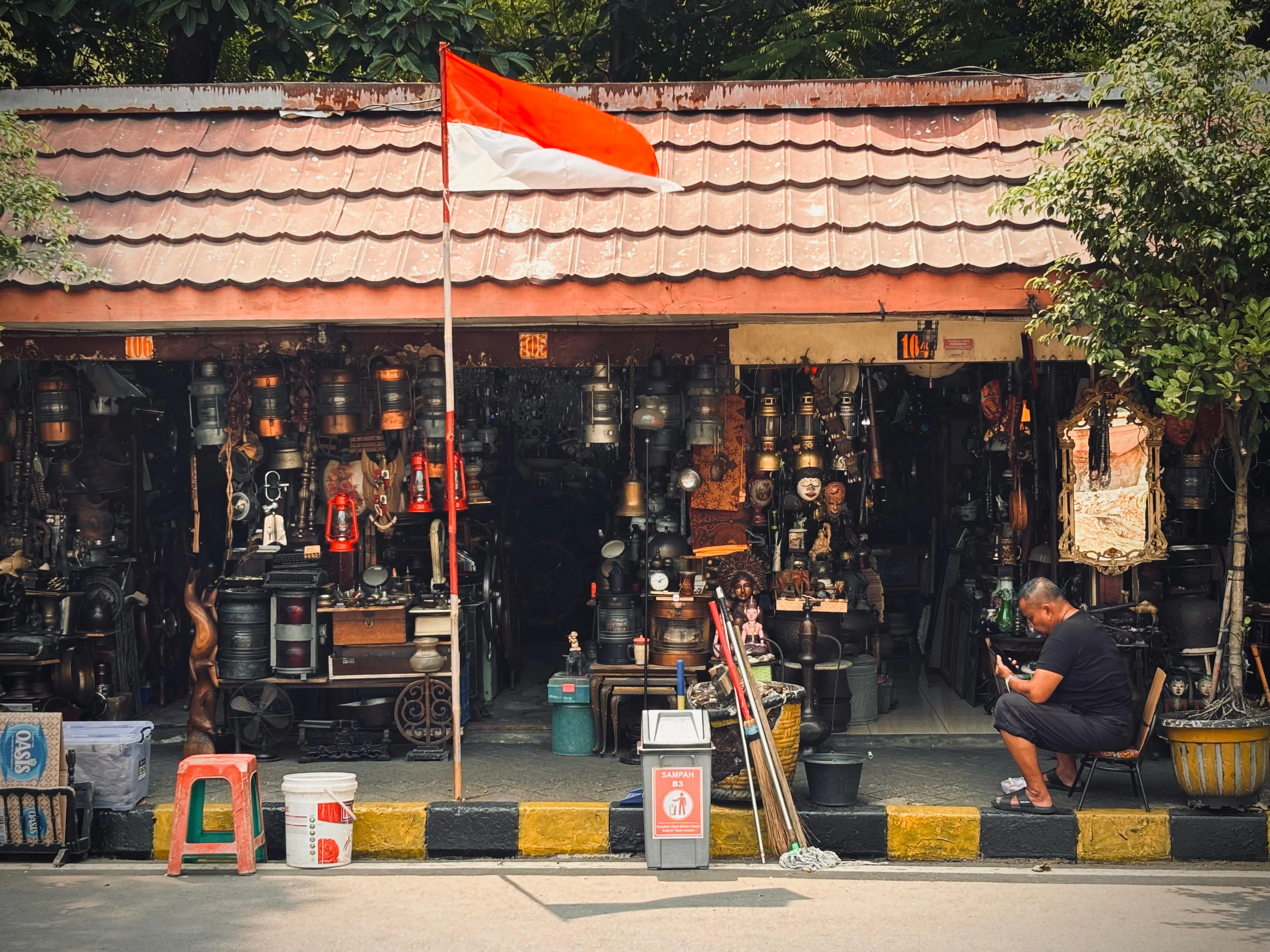
RRI.CO.ID, Jakarta - The Cikini Antique Market in Menteng, Central Jakarta, has been one of the city’s most iconic destinations for antique hunters since the 1960s.
Stretching along the sidewalks of Jalan Surabaya, the market is filled with stalls offering vintage lamps, old telephones from the 1970s, analog cameras, watches, vinyl records, paintings, retro games, and rare nautical instruments.
Prices vary widely, from IDR 5,000 (USD 0,28) trinkets to decorative lamps worth millions, with bargaining still part of the tradition.
The market’s roots go back to then Jakarta Governor Ali Sadikin, who relocated antique traders from the Pasar Rumput market in South Jakarta to Jalan Surabaya. Initially, around 200 stalls operated here, but today only about 70 remain due to declining buyers and shifting shopping trends.
Before becoming an antique hub, the area was a flea market selling secondhand clothes and electronics. By the 1970s, antiques such as compasses, telescopes, ship wheels, porcelain, and ceramics dominated the stalls, attracting both locals and foreign tourists.
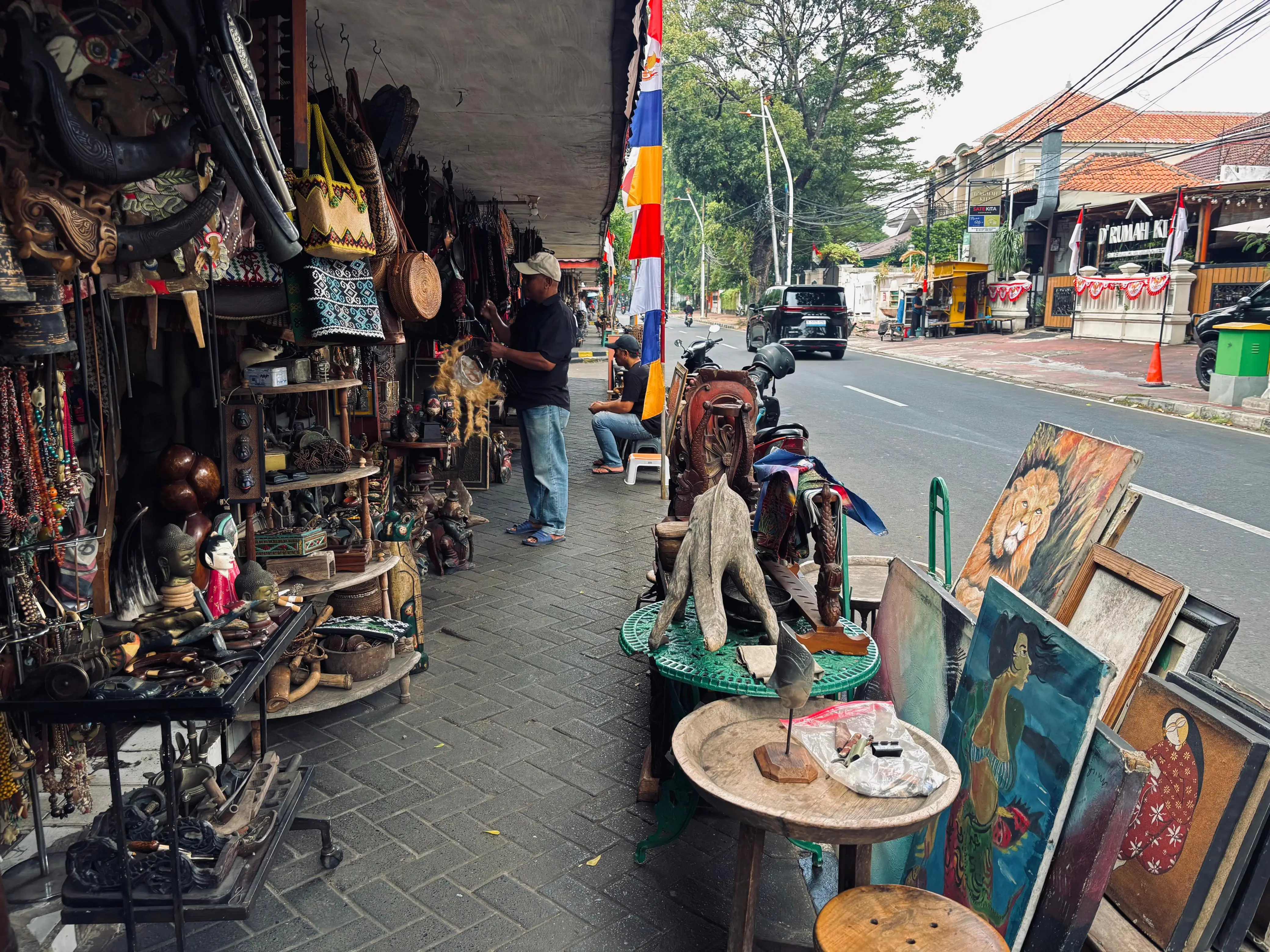
For three decades, especially before the 1998 financial crisis, traders thrived as foreign buyers--mostly Europeans--purchased Chinese porcelain and nautical items. But after the crisis, sales dropped sharply, foreign investors left, and collectors dwindled.
Vendors like Idan Kusnadi, Wito, and Is admit business has been difficult. “Now it’s very hard to find buyers. There are more antiques to sell, but fewer people to buy them,” Idan said, as quoted on a Facebook account, reflecting on over two decades of struggle.
Despite these challenges, the market remains open daily from 10 a.m. (with variations depending on each stall) to 5 p.m. local time. For visitors using public transport, the nearest train station is Cikini, just a 650‑meter walk from the market, making it easily accessible for both locals and tourists.
Traders hope for greater economic and political stability to revive business, while also welcoming a new wave of visitors.
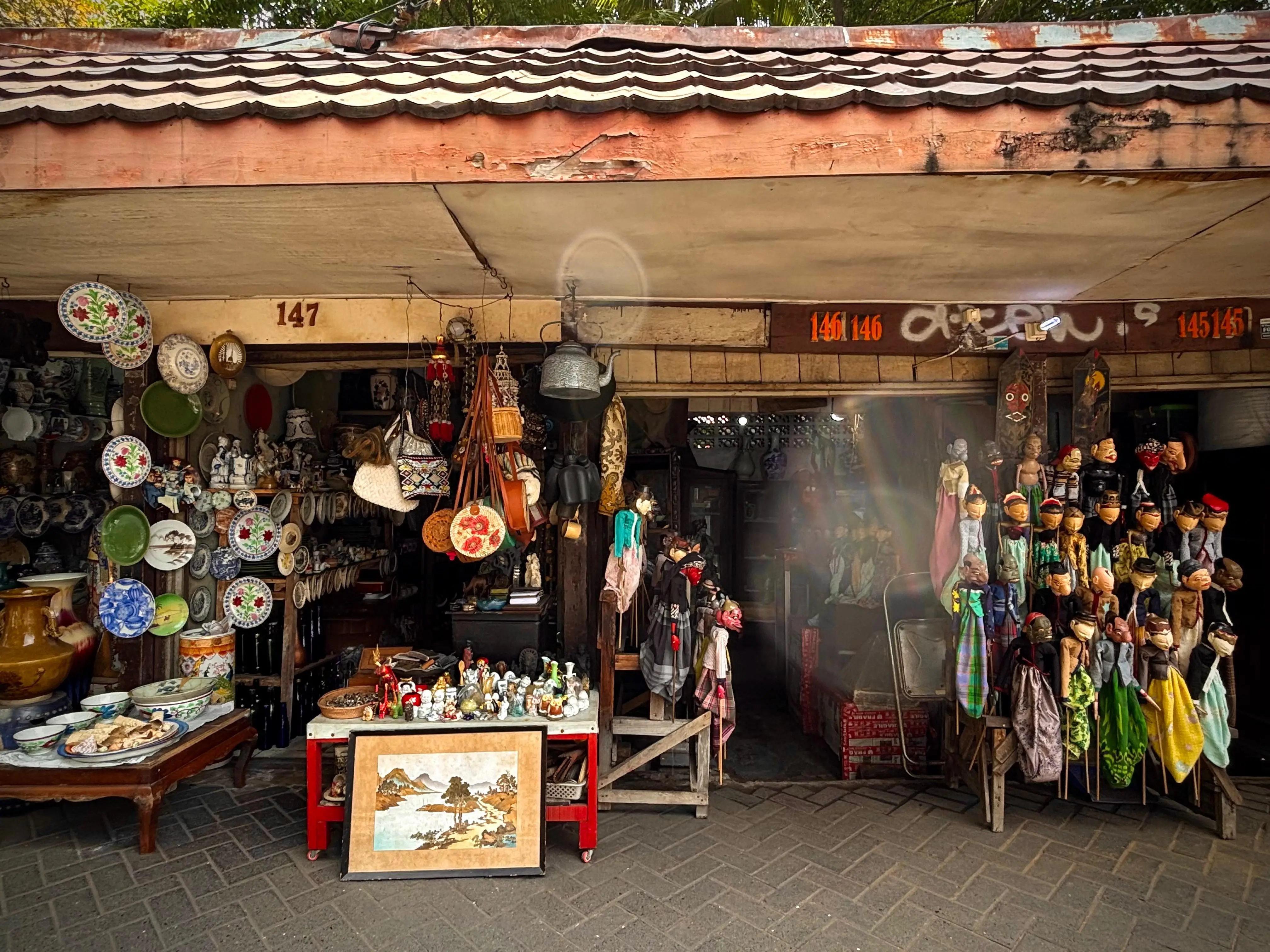
Thanks to social media platforms like Instagram and TikTok, the market has found fresh appeal among Gen Z visitors. Viral posts have drawn young people who see the market as “aesthetic” and “instagrammable,” coming not only to shop but also to take photos. Vintage items like analog cameras and retro accessories have become especially popular.
One visitor, Citra from Yogyakarta, shared her impression. “I happened to be strolling around Cikini. Besides café hopping, I was curious to walk along Jalan Surabaya and see the antiques. They’re unique, fun for photos because the background is aesthetic. I hope more people discover this place,” she concluded. ***
News Recomendation
Loading latest news.....