



Adityawarman Museum Showcases Minangkabau Heritage and Rendang Legacy
- 05 Agt 2026 06:53 WIB
- Voice of Indonesia
Key Points
- The Adityawarman Museum in Padang presents a rich showcase of Minangkabau history, natural sciences, traditional attire, and architectural heritage.
- The museum also features the dedicated Rendang Museum, highlighting the history and global acclaim of West Sumatra’s iconic dish.
- The museum integrates modern educational facilities with traditional exhibits that preserve cultural heritage and natural history.
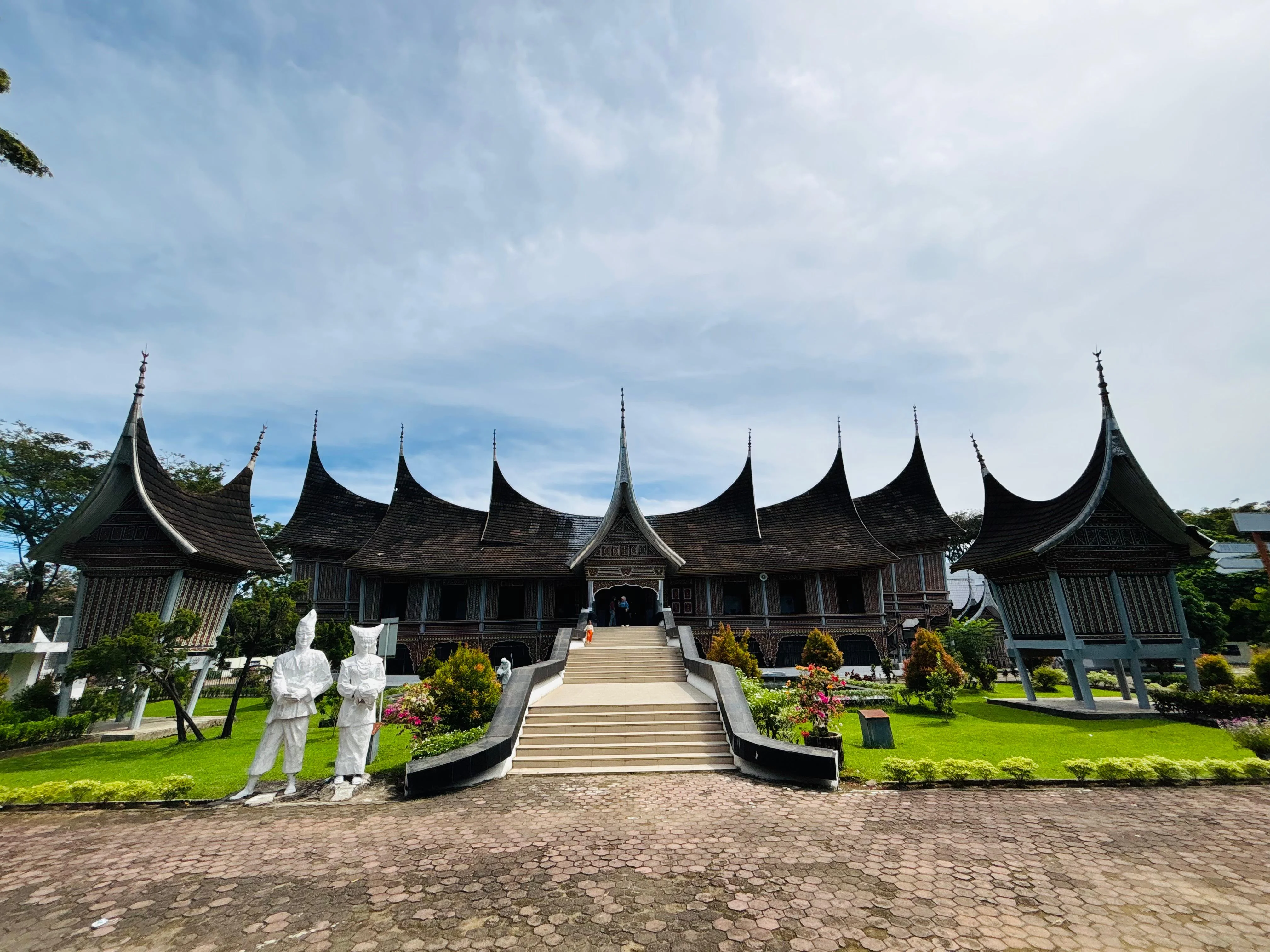
RRI.CO.ID, Padang – The Adityawarman Museum in Padang, West Sumatra, is more than a place to see artifacts--it is a destination where history, culture, and innovation come together.
Recognized as one of West Sumatra’s halal tourism destinations, it sits just 500 meters from Padang Beach and 1.5 kilometers from the province’s zero-kilometer landmark, making it easy to reach for visitors.
Open Tuesday to Sunday, from 8.30 a.m. to 4 p.m. local time, the museum welcomes guests with affordable entry fees of IDR 5,000 (USD 0,28) for adults, IDR 3,000 for children, and IDR 5,000 for foreign visitors.
The site's family-friendly environment and central location make it a perfect stop for cultural exploration.
Built in the 1970s and inaugurated on March 16, 1977, by then Education Minister Syarif Thayeb, the museum honors Adityawarman, a 14th-century ruler who played a pivotal role in Minangkabau and Malay history.
Its main building, designed in the traditional Rumah Gadang (Minang Traditional House) style, spans 955 square meters and houses extensive collections that reflect the richness of West Sumatra’s past.
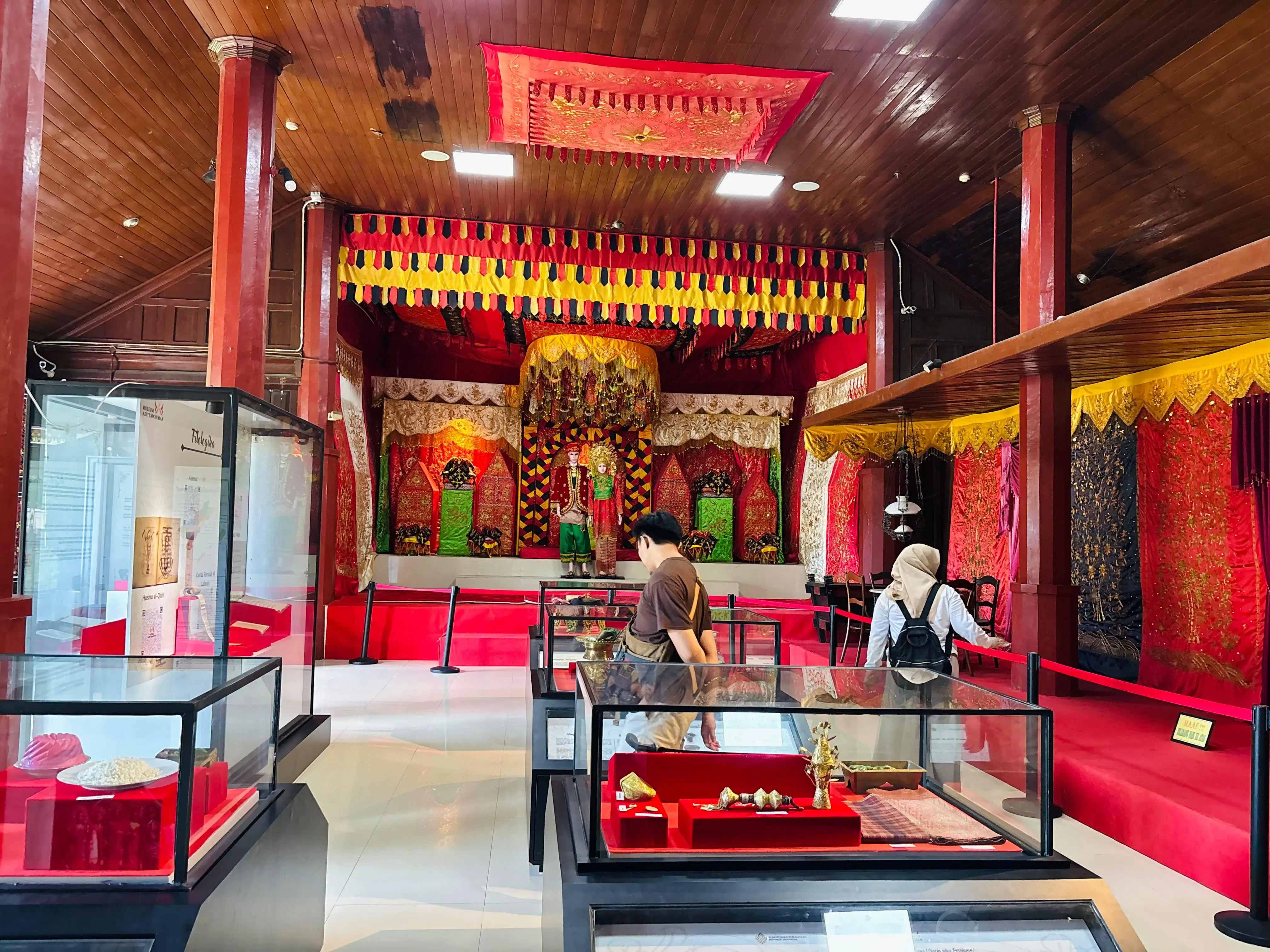
The museum holds 6,318 collections divided into 10 categories including geological, biological, archaeological, historical, numismatic/heraldic, ceramological, ethnographic, technological, and fine arts collections.
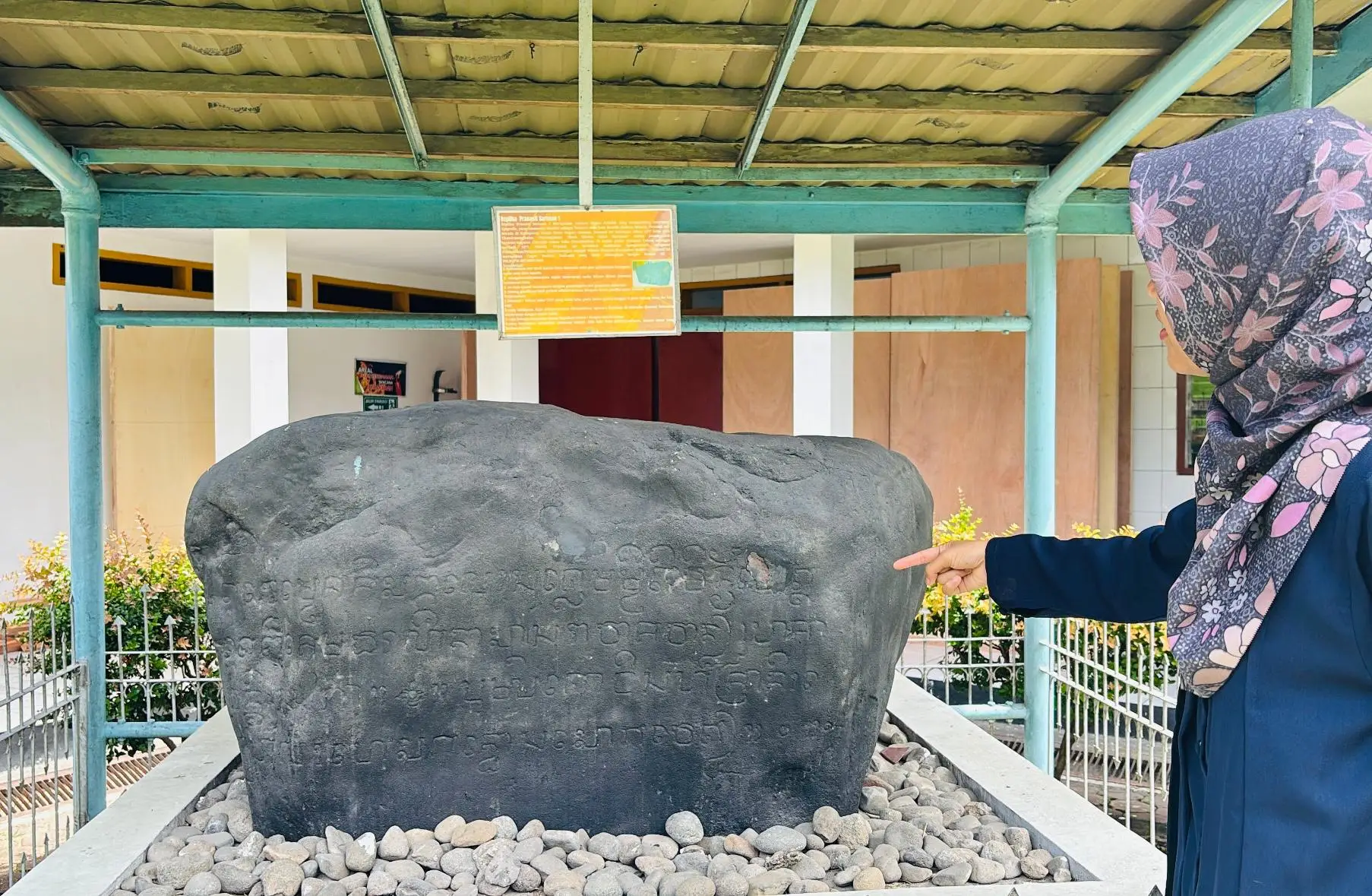
The museum’s collections span a diverse range of cultural artifacts. Its archaeological holdings include prehistoric and historical relics such as fossils, inscriptions, and objects unearthed from ancient sites.
The biology section features flora, fauna, and preserved specimens, while the geology and geography halls showcase rocks, maps, and materials that reflect Indonesia’s natural landscape.
Historical collections present documents, relics of independence struggles, and colonial heritage. Ceramics exhibits include both local and imported works from various eras, while numismatics/heraldry areas display old currencies and official emblems.
Fine arts section highlights paintings, sculptures, and visual works, while Technology exhibits tools and machines that reflect the progress of society.
In collaboration with the local Natural Resources Conservation Center (BKSDA), the museum displays preserved biological specimens such as tigers, sun bears, and other rare, protected animals.
It also presents detailed exhibits on Rumah Gadang (Rumah Bagonjong), explaining its architectural elements, carvings, and cultural symbolism.
A distinctive highlight is the Rendang Museum, dedicated to Indonesia’s most iconic dish. Visitors can trace the history, philosophy, and diverse variations of rendang through interactive exhibits, cooking tools, spices, and multimedia presentations.
The museum also embraces modern learning through the Center for the Demonstration of Science and Technology (PP‑IPTEK), complemented by facilities such as the Digital Corner and Ecobrick Digital Park. These spaces offer visitors science education, free internet access, and programs that promote environmental literacy.
Zahra, a gallery sitter at the museum, emphasized the richness of its collections, from manuscripts and inscriptions to preserved wildlife, traditional attire, and culinary heritage.
“Randang is the king of food, the most delicious, and the most special dish. It has already become an icon of Indonesian cuisine since William Wongso, chef and culinary advisor for Garuda, introduced Randang Padang to visitors at the Internationale Tourismus Börse (ITB) in Berlin, Germany, on March 10, 2010,” she said, recently.
She explained that global recognition strengthened soon after, when CNN International in 2011 named rendang the number one dish in the World’s 50 Most Delicious Foods. By 2018, rendang was officially declared one of Indonesia’s five national dishes.
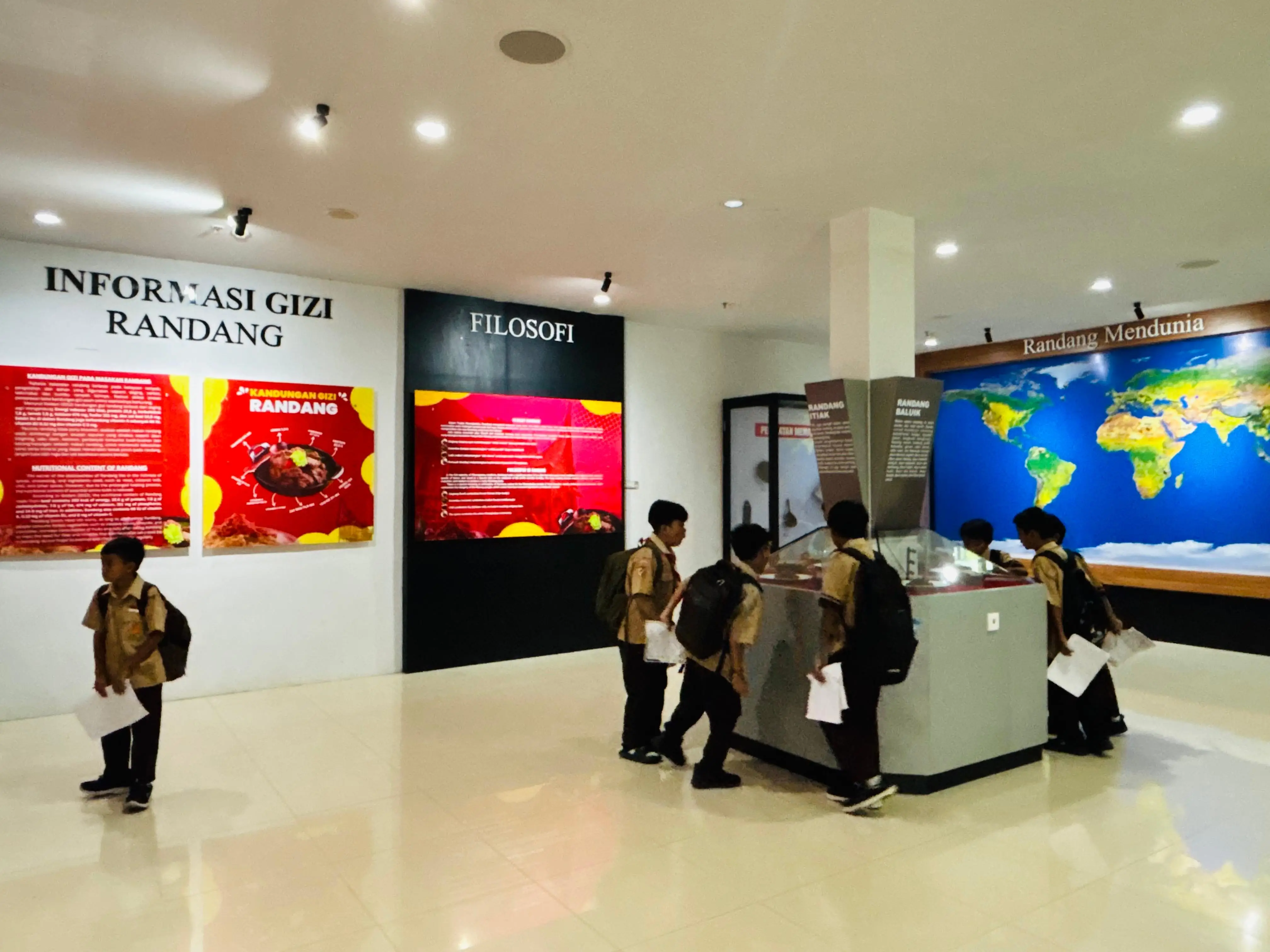
The museum’s dedication to rendang has also earned accolades. “In 2023, the Rendang exhibition brought honor to Adityawarman Museum as a ‘Museum Lestari’ at the Indonesia Museum Award, proving that rendang continues to attract attention locally, nationally, and internationally,” Zahra added.
The origins of rendang are deeply rooted in Minangkabau culture. The word rendang comes from Minangkabau's “randang”, referring to the cooking technique known as marandang.
With its blend of cultural preservation, culinary heritage, scientific education, and global recognition, the Adityawarman Museum is not just a place to visit -- it is an experience that connects the past, present, and future, inviting every visitor to discover the soul of Minangkabau culture. ***
News Recomendation
Loading latest news.....