



East Kalimantan Uses New Agency Model to Boost Derawan Marine Economy
- 23 Jun 2026 23:29 WIB
- Voice of Indonesia
Key Points
- The 285,548.95-hectare Derawan Coastal and Small Islands Conservation Area in Berau has been managed under a Regional Public Service Agency (BLUD) scheme since 2024.
- The BLUD framework is a strategic move designed to simultaneously protect critical ecosystems (coral reefs, mangroves, seagrass beds) and boost local economic prosperity.
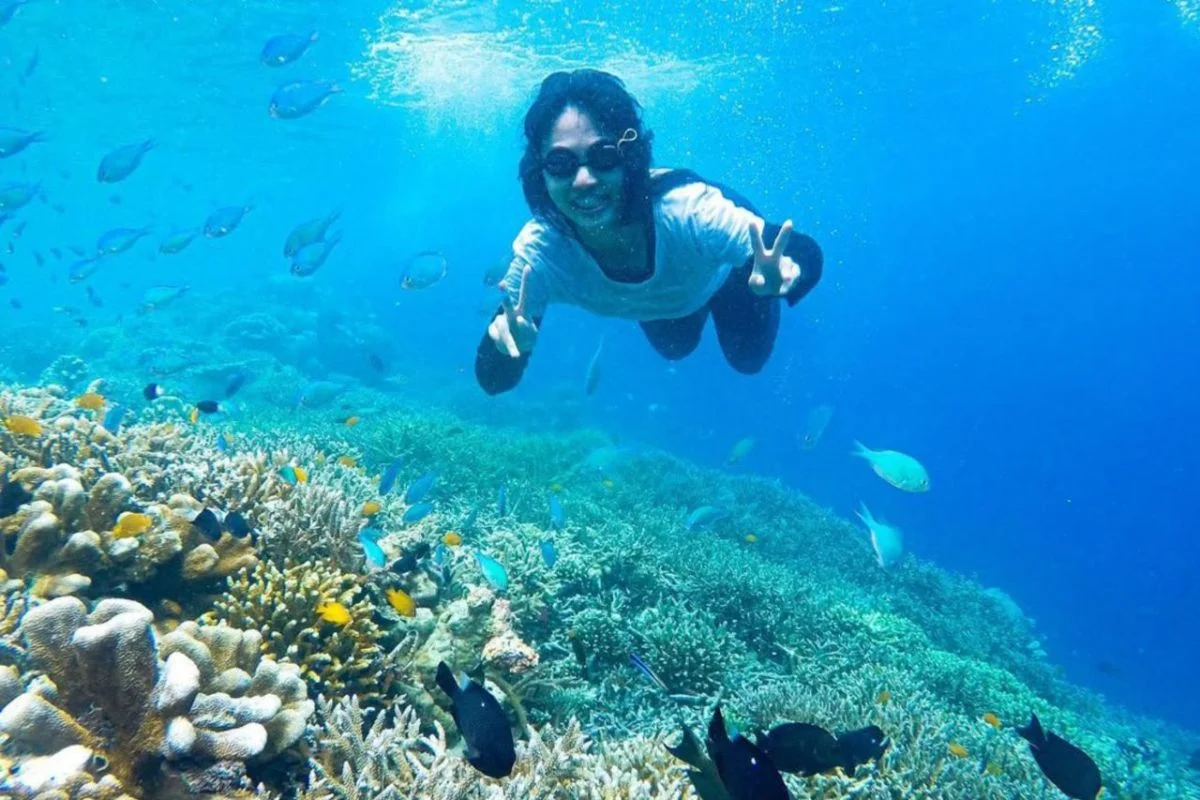
RRI.CO.ID, Samarinda - East Kalimantan is positioning the Derawan Islands marine protected area as a dual engine for conservation and local prosperity. To achieve this, the province is formalizing a public service agency model to manage its coastal and small-island resources.
The Marine and Fisheries Agency of East Kalimantan said the 285,548.95-hectare Derawan Coastal and Small Islands Conservation Area in Berau has been managed under the Regional Public Service Agency (BLUD) scheme since 2024. Officials describe this move as strategic for strengthening blue economy initiatives while safeguarding critical ecosystems.
"The conservation area of 285,548.95 hectares in Berau is a very important asset whose management since 2024 has used the Regional Public Service Agency (BLUD) system," said Sub-Coordinator for Marine and Fisheries Conservation at the Agency, Yuliana Nidyasari, in Samarinda on Tuesday, June 23, 2026.
By adopting the BLUD framework, the regional administration aims to optimize marine sector benefits through the protection of coral reefs, mangroves, and seagrass beds. This approach also opens clearer pathways for sustainable revenue and local investment.
"The establishment of the BLUD scheme is a strategic regional step to optimize the marine sector through protection of coral reef ecosystems, mangroves, and seagrass meadows," said Yuliana, as quoted by Antara.
She added that the program’s priorities extend beyond environmental protection to fostering the development of the region’s flagship ecotourism sector.
"Besides focusing on marine environmental conservation, this priority program is also specifically intended to support the development of the region's leading ecotourism sector," she said.
Officials expect ecotourism optimization to produce tangible economic benefits for coastal communities in Berau, helping improve local welfare without compromising ecological balance.
"We want to ensure that all utilization activities in the Derawan waters can continue sustainably without damaging the balance of the marine ecosystem," said Yuliana.
A preliminary ecosystem assessment indicates the area’s blue economy potential could generate about USD 317,000 annually. This is partly driven by the conservation zone’s substantial carbon sequestration capacity, which is estimated at more than 69,000 tonnes of carbon dioxide equivalent per year.
"In increasing the real economic activity of coastal communities, we are currently also awaiting the ratification of a Governor Regulation on environmental service tariffs to strengthen contributions to regional own-source revenue," explained Yuliana.
The pending regulation would provide the legal basis for charging fees to domestic and international visitors who use marine tourism services. Officials say this step will formalize revenue streams for conservation and community benefits.
"This retribution regulation becomes the legal basis for levying special tariffs for domestic tourists and foreign tourists who enjoy marine tourism services," noted Yuliana.
Derawan Island’s marine richness, long recognized by international visitors, includes charismatic megafauna and high coral diversity that underpin both biodiversity and tourism appeal.
"The Derawan waters have long been a world-class tourism magnet thanks to their biological wealth, including distinctive marine animals such as manta rays and whale sharks," said Yuliana.
Recent marine surveys recorded 507 species of hard corals, 40 species of mushroom corals, and 52 genera of soft corals within the conservation area.
The Marine and Fisheries Agency of East Kalimantan emphasized that collaboration remains central to long-term management, with ongoing partnerships among non-governmental organizations, local community groups, and the subdistrict administration aimed at preserving the site’s high-value natural assets.
"Close collaboration with non-governmental organizations, local community groups, and the district government continues to be strengthened to maintain the sustainability of these high-value assets," said Yuliana. ***
News Recomendation
Loading latest news.....