



Semarang Zoo Welcomes Newborn Capybaras and Sitatunga
- 09 Jun 2026 10:06 WIB
- Voice of Indonesia
Key Points
- Semarang Zoo welcomed two newborn capybaras and a sitatunga as part of its conservation and animal exchange program.
- Zoo officials say the new arrivals will enhance educational tourism ahead of the upcoming school holiday season.
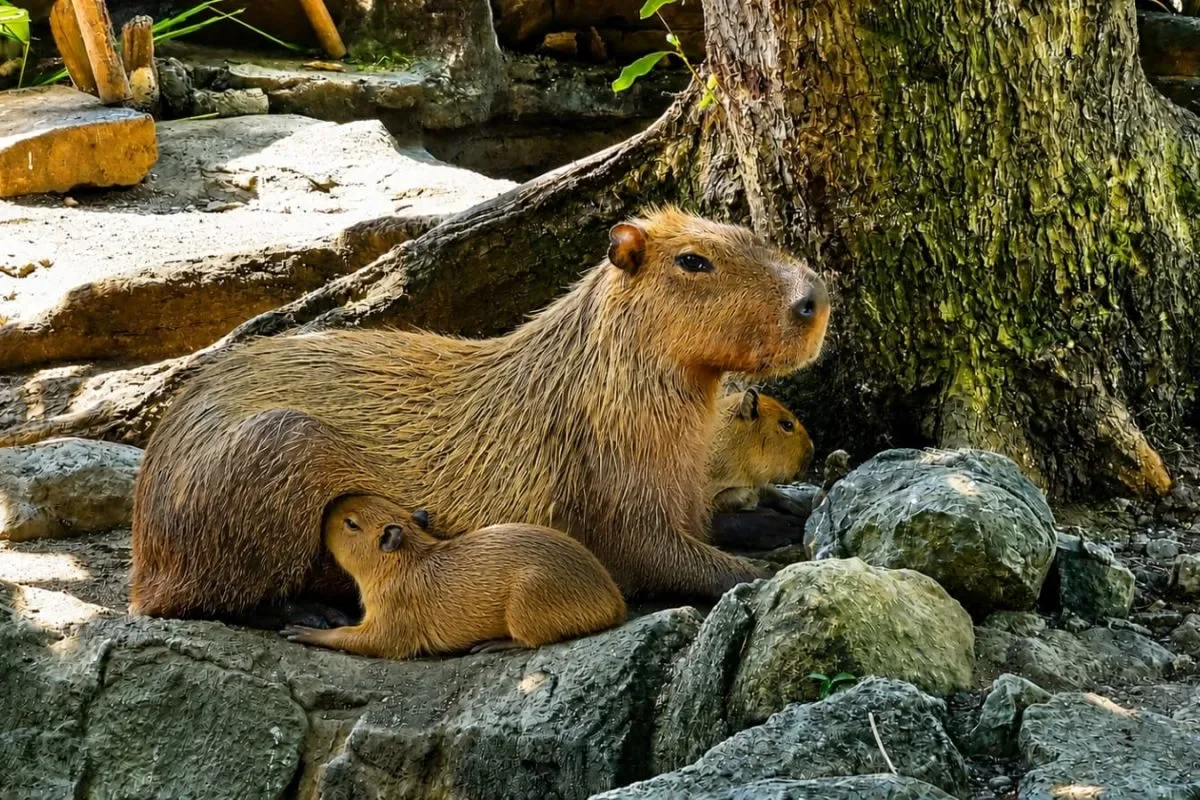
RRI.CO.ID, Semarang - The municipal-owned Semarang Zoo is expanding its wildlife family just in time for the upcoming school holiday season, celebrating the births of several exotic animals that arrived as part of a high-profile inter-zoo breeding exchange program last year.
The newest residents at the wildlife park include a sitatunga, a swamp-dwelling African antelope, and two newborn capybaras, the world's largest rodent species. The births represent a major victory for the zoo’s conservation and enrichment initiatives, providing an enhanced educational experience for visitors ahead of the mid-year peak season.
"One of the female capybaras is a new animal collection resulting from an animal exchange with the Ragunan Wildlife Park before the middle of last year, along with one male and two females," Semarang Zoo Director Bimo Wahyu Widodo announced on Monday, June 8, 2026, confirming that the new mothers were part of an animal exchange program with Jakarta's Ragunan Zoo, as quoted by Antara.
According to the zoo's resident veterinarian, Nurul Fauziah, the twin capybara pups are now nearly one month old and are thriving in their designated habitat.
"The condition, praise be to God, is healthy, and they are still observed being cared for by their mother. But the sex cannot be determined yet just by looking," Nurul explained, adding that keepers are maintaining a safe distance to allow natural maternal bonding to occur before performing invasive physical examinations.
The zoo operates under strict regulatory supervision to ensure transparency in its conservation efforts. Nurul emphasized that every birth and death within the facility is officially reported to the Natural Resources Conservation Agency (BKSDA), with comprehensive autopsy results provided in any event of a fatality.
To keep the animals in peak condition amidst unpredictable weather patterns, the veterinary team conducts rigorous routine health assessments, relying heavily on daily observations from the animal keepers as well as hands-on physical evaluations.
"We look at the notes from the keepers, then we check the animals ourselves. Pulse, breathing, and physical checks. Usually, if one is sick, they will definitely resist when we hold them," Nurul noted, emphasizing that dietary variations and vitamin supplements are also regularly adjusted.
Rizky, the primary keeper assigned to the capybaras, shared that caring for the semi-aquatic rodents has been a smooth process due to their gentle, herbivorous nature. He noted that while the capybaras share their enclosure with a pond, they coexist peacefully with the local aquatic life.
"To put it simply, because it's a rodent, right? Like other rodents, it likes vegetables, a full herbivore. So, the tilapia and catfish in the pond are not eaten. We use them to clean the pond so there are no mosquito larvae," Rizky said, explaining that the tilapia and catfish in the pond are intentionally introduced to keep mosquito larvae at bay.
Rizky also mentioned that identifying a capybara pregnancy requires a keen eye and deep familiarity with the animals, as physical changes are rarely obvious from a visual standpoint.
"We knew she was pregnant, but visually it wasn't visible. If the offspring are unhealthy, they are left behind, not eaten, as they are full herbivores. So far there is no such case, unlike with mice or hamsters," Rizky added, expressing relief that the mother capybara has shown excellent parenting instincts.
Given recent fluctuating regional temperatures, keepers are keeping a close watch on environmental factors. Because capybaras are semi-aquatic animals, the zoo ensures their pools remain constantly filled and temperature-regulated, offering the animals an ideal sanctuary to submerge and cool off as the holiday crowds arrive. ***
News Recomendation
Loading latest news.....