



NTB Bets on Rinjani-Tambora Geoparks as Cultural Tourism Hubs
- 17 Mei 2026 18:23 WIB
- Voice of Indonesia
Key Points
- NTB is transforming the Rinjani and Tambora Geoparks from simple conservation and trekking zones into central hubs for cultural development.
- Villages stretching from the volcanic foothills to the coasts of Lombok and Sumbawa will be developed into distinct cultural tourism destinations.
- A flagship Cultural Coffee initiative in Sembalun, East Lombok, will merge local Arabica and Robusta agro-tourism with traditional heritage.
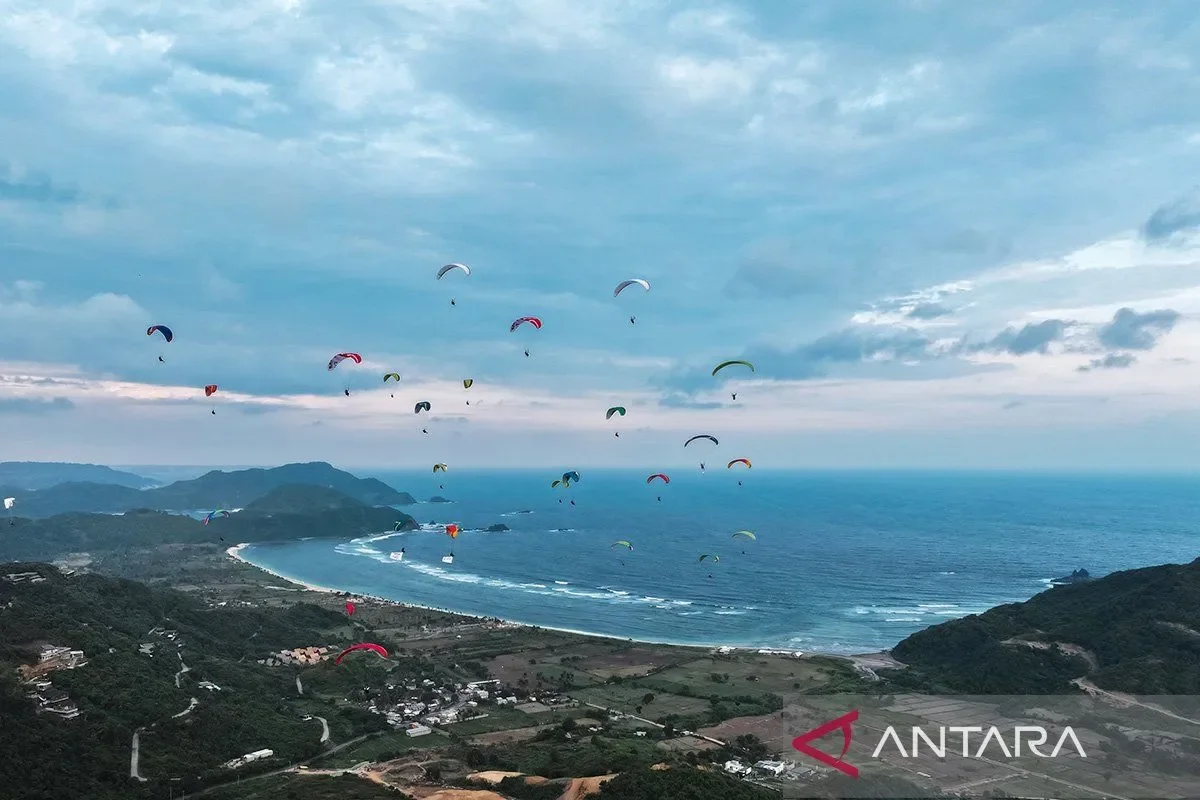
RRI.CO.ID, Mataram - Volcanic landscapes and centuries-old local traditions are set to merge into a new cultural tourism identity in West Nusa Tenggara (NTB). This shift comes as the provincial administration repositions the Rinjani and Tambora Geoparks beyond their reputation as conservation zones and trekking destinations.
The NTB Provincial Culture Agency has begun integrating local cultural development into the two geopark areas to strengthen the region's cultural identity while boosting community-based tourism.
"Geopark Rinjani and Tambora serve as nodal point within NTB's cultural ecosystem," said Head of the NTB Culture Agency, Muhamad Ihwan, in Mataram on Sunday, May 17, 2026.
As reported by Antara, Ihwan said villages scattered across the foothills of Mount Rinjani and Mount Tambora hold rich cultural heritage with strong potential to become tourism destinations in their own right. These communities stretch all the way to the coastal areas of Lombok and Sumbawa islands.
Among the initiatives being developed is the concept of kopi budaya, or cultural coffee, designed to offer visitors an immersive cultural experience when exploring the Sembalun area in East Lombok. The concept draws on the abundance of arabica and robusta coffee trees that grow across the slopes surrounding Mount Rinjani, weaving together agro-tourism with authentic local traditions.
Ihwan noted that NTB holds a stronger grip on its cultural heritage compared to several other regions in Indonesia. The province intends to leverage this advantage to accelerate cultural promotion at both national and international levels.
He also called on cultural communities and the wider public to set aside sectoral rivalries and collectively build a cohesive regional cultural ecosystem.
"Differences are not a problem, because everyone has their own perspective and way of thinking. But at a certain point, let us change together, to build, to advance, and to bring West Nusa Tenggara to the world stage faster," said Ihwan.
The provincial administration has pointed to Yogyakarta as a reference model for cultural management, a city widely regarded in Indonesia for sustaining living traditions while adapting them to contemporary times.
Ihwan stressed that local cultural development in NTB is not intended to produce rigid or insular traditions, but rather a dynamic culture that evolves without losing its roots.
"We are developing traditional culture, but not in an outdated way, by keeping up with current developments. In doing so, we ensure we do not abandon NTB's core values, taking a direction similar to Yogyakarta, which continues to firmly uphold its culture," he said. ***
News Recomendation
Loading latest news.....