



Monjali: The Iconic Tumpeng-Shaped Landmark of North Yogyakarta
- 11 Mei 2026 08:42 WIB
- Voice of Indonesia
Key Points
- Monjali commemorates Yogyakarta’s historic return as Indonesia’s capital on June 29, 1949, after liberation from colonial forces.
- The monument features three levels of historical exhibits, dioramas, reliefs, and a sacred reflection chamber honoring national heroes.
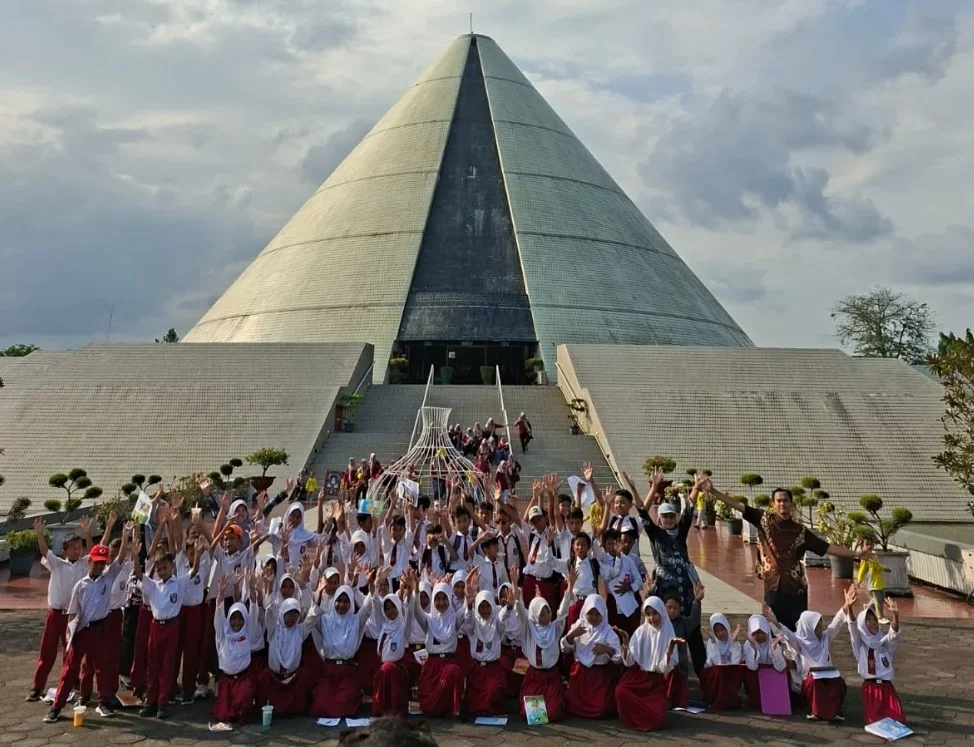
RRI.CO.ID, Yogyakarta - Standing tall against the skyline, the Monumen Yogya Kembali, affectionately known as Monjali, remains one of the most recognizable historic landmarks in the Special Region of Yogyakarta. The unique cone-shaped structure, resembling a traditional tumpeng (rice cone), serves as a profound architectural tribute to Indonesia’s struggle for sovereignty.
According to Head of the DIY Cultural Agency, Dian Lakshmi Pratiwi, the monument was established to commemorate the historic return of Yogyakarta as the capital of the Republic of Indonesia on June 29, 1949, after it was successfully reclaimed from colonial forces.
The monument’s design is steeped in Javanese philosophy. Standing at 31 meters, the tumpeng shape symbolizes a deep sense of gratitude to the Creator.
“This cone-shaped building is surrounded by a pond that serves more than just an aesthetic purpose. Philosophically, it acts as a protector to ward off evil, while the water in the pond serves as a symbol of purity," explainedPratiwi on Sunday, May 10, 2026.
Monjali is meticulously organized into three distinct levels, with each offering a unique window into Indonesia’s revolutionary history. Level 1, known as the Museum Quadrant, is located on the ground floor and is divided into four separate rooms: Museum 1 focuses on the Proclamation of Independence, Museum 2 details the Guerrilla War and the Universal People's Defense System, Museum 3 highlights the historic General Offensive of 1949, and Museum 4 documents the era when Yogyakarta served as the national capital.
Moving up to Level 2, visitors encounter a space dedicated to visual storytelling that features 10 intricate dioramas depicting the struggle for independence, while the exterior is adorned with 40 reliefs illustrating the harrowing and heroic events of the revolution.
Finally, Level 3 houses the Ruang Garba Graha, a silent sanctuary that stands in contrast to the informative floors below. As Pratiwi noted, this room serves as a silent chamber intended for reflection, providing a sacred space to observe a moment of silence and pray for the souls of the heroes who fell in battle.
With its blend of historical education and spiritual philosophy, Monjali continues to stand as a beacon of national pride and a reminder of Yogyakarta's pivotal role in the birth of the Republic. (Naura Sofia/EN)
News Recomendation
Loading latest news.....