



Legislator Advocates for Sustainable Tourism Over Mining
- 29 Jan 2026 12:48 WIB
- Voice of Indonesia
RRI.CO.ID, Jakarta - Bonnie Triyana, a member of Commission X of the Indonesian House of Representatives (DPR RI), emphasized the importance of prioritizing tourism for sustainable, environmentally friendly development. According to him, tourism is a vital industry for the national economy and has the capacity to employ a large number of people.
Bonnie made this statement during a Hearing (RDP) of the Working Committee on Cultural Heritage Preservation of Commission X of the DPR RI, in Senayan, Jakarta, on Wednesday, January 28, 2026, as quoted by the DPR's official website.
He revealed that the tourism sector contributes approximately IDR 1,000 trillion to the national Gross Domestic Product (GDP) and can absorb approximately 25 million workers.
According to Bonnie, tourism could eventually surpass the mining industry's contribution if managed effectively. He gave Bali as an illustration, where the tourism industry creates more jobs and generates more revenue than the mining industry in Papua.
"If we are serious about developing tourism, we don't need to open massive mines. Tourism is more sustainable, less destructive to the environment, and non-extractive," he emphasized.
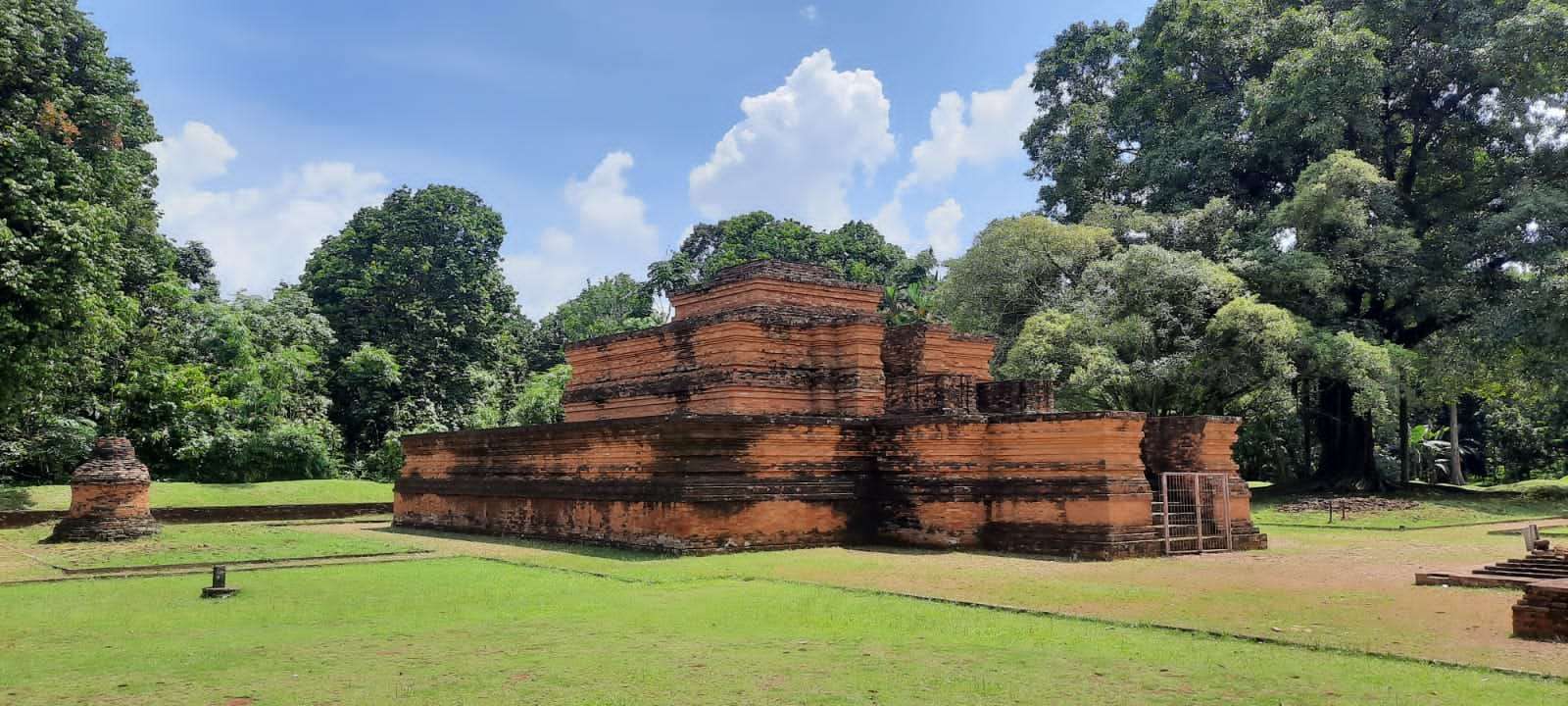
Bonnie also addressed the conflict between cultural heritage preservation and fostering economic activity. He used the Muaro Jambi Cultural Heritage area as an example, noting that part of it overlaps with coal mining activities. Several archaeological finds in the area were reportedly buried under mining materials.
Bonnie explained that, in 2019, he led an aerial survey project covering approximately 7,200 hectares in Muara Jambi to produce an archaeological map. Approximately 3,000 hectares were designated as a cultural heritage area based on the mapping results. This area is subject to strict regulations and remains undisturbed.
Apart from conflicts over land, Bonnie determined that Indonesia has a large amount of untapped ecotourism potential. He brought up the possibility of turning the Batanghari River into a tourist attraction akin to the well-liked Mekong River tourism initiative in the ASEAN area. However, he warned about the risk of river siltation, which needs to be addressed.
Bonnie also emphasized the importance of narrative power in tourism and cultural heritage development. He cited the example of the fictional story of Hans Brinker in the Netherlands, which, thanks to its consistent storytelling, attracts international tourists. According to him, Indonesia has many local narratives with great potential, but they have not been managed sustainably.
"We often have many initiatives, but we don't diligently manage them. Yet, these cultural narratives can be powerful tourist attractions," he said.
Furthermore, Bonnie highlighted the importance of fostering a sense of hospitality in tourist destinations. He cited the Anyer and Carita areas in Banten as examples. Although these locations have enormous potential, they haven't been managed well, particularly in terms of catering to tourists.
According to him, the tourism industry's success depends on the community's preparedness for welcoming tourists in addition to infrastructure spending. ***
News Recomendation
Loading latest news.....