



Indonesia Has Potential to Use POME as Clean Energy Source
- 18 Agt 2026 16:16 WIB
- Voice of Indonesia
Key Points
- BRIN and PASPI are calling for specific regulations to optimize palm oil mill effluent (POME) as a source of renewable energy.
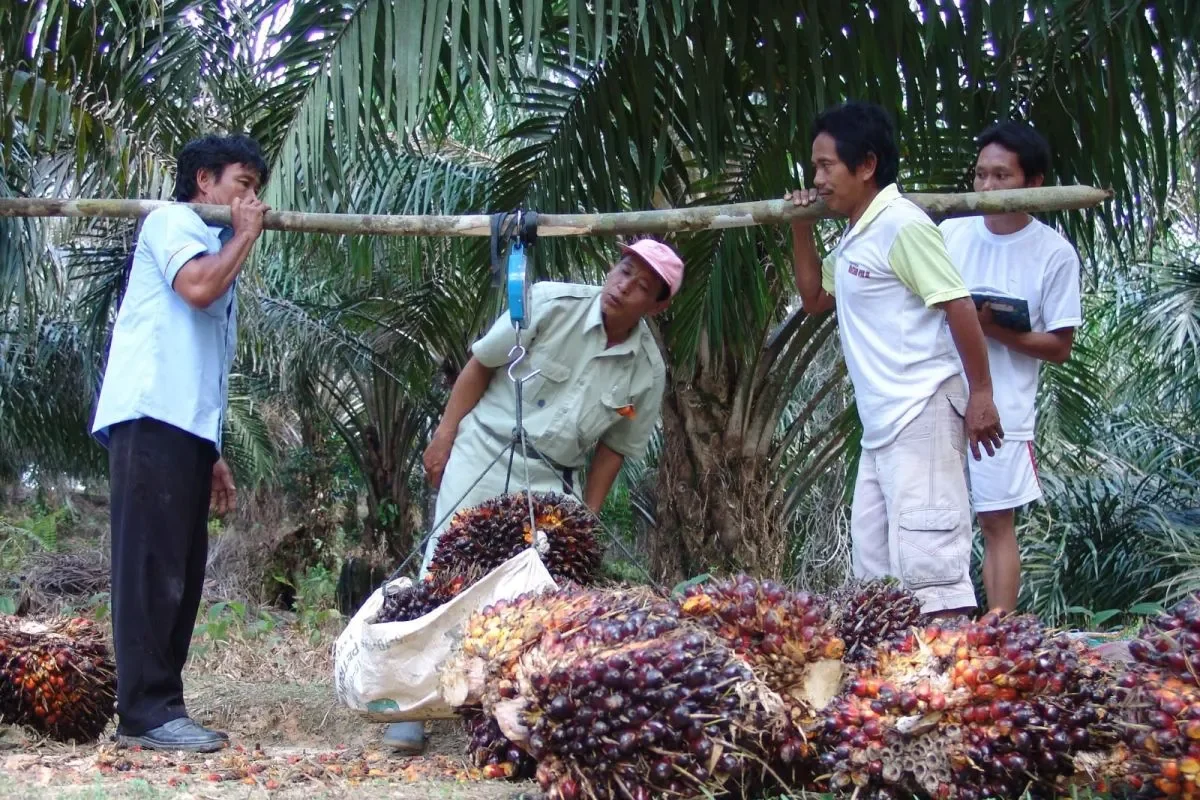
- Indonesia’s approximately 16.8 million hectares of oil palm plantations produce around 250 million tons of fresh fruit bunches annually.
RRI.CO.ID, Jakarta - The National Innovation and Research Agency (BRIN) of Indonesia, together with the Palm Oil Agribusiness Strategic Policy Institute (PASPI), says specific regulations are needed to optimize the potential of palm oil mill effluent (POME) as a clean-energy source. Implementing carbon trading and requiring the use of methane-capture technology are considered key measures to ensure that this untapped potential is not wasted.
BRIN researcher, Erma Yulihastin conveyed that the opportunity is supported by the large volume of palm oil waste available in Indonesia. Utilizing this waste offers a renewable energy source that provides added economic and environmental value.
“Indonesia has significant potential to develop biogas from palm oil mill effluent (POME), or liquid palm oil waste. POME is a strategically valuable energy source because it can be processed into electricity, heat, or fuel,” she said in a statement issued in Jakarta on Tuesday, August 18, 2026.
The development of palm-waste-based biogas is supported by Indonesia’s extensive oil palm plantations, which cover approximately 16.8 million hectares and produce around 250 million tons of fresh fruit bunches (FFB) annually.
Each ton of FFB can produce approximately 0.5 tons of POME. Accordingly, Indonesia has the potential to generate around 125 million tons of POME each year as raw material for biogas production.
“POME contains high levels of organic matter and is continuously available as long as palm oil mills remain in operation,” she added, as quoted by Antara.
Erma explained that developing biogas from palm oil waste would provide environmental, economic, and social benefits. From an environmental perspective, converting POME into biogas can reduce methane emissions from open waste ponds.
Processing POME into biogas can also reduce the organic content of the waste, minimize odors, and lower the risk of pollution affecting water sources and soil.
| Baca juga: BRIN Converts Natural Asphalt Refining Waste |
She emphasized that utilizing POME could support renewable energy development targets while reducing emissions by replacing fossil fuels. Research has shown that the operation of biogas facilities can reduce emissions by approximately 1,131 tons of carbon dioxide equivalent per month.
From an economic and social perspective, she added, utilizing POME could create jobs related to the construction, operation, and maintenance of biogas facilities. She said biogas could also reduce the energy costs incurred by palm oil mills and serve as fuel for vehicles or local industries after being purified into bio-compressed natural gas (bio-CNG).
“Thus, the economic benefits can be enjoyed by companies, local workers, and surrounding communities, provided that local stakeholders are directly involved in its management,” she said.
Through the Palm Oil Plantation Fund Management Agency (BPDP), the government continues to promote innovation and the development of palm-based bioenergy. The initiative aims to reduce fossil-fuel imports, improve the oil and gas trade balance, and mitigate the effects of climate change by cutting greenhouse gas emissions.
One form of BPDP support for innovation in POME biogas technology is provided through the Palm Oil Research Grant (GRS) program. Under the program, funding assistance is provided comprehensively, covering the design, installation, production, and vehicle-testing stages.
Executive Director of the Palm Oil Agribusiness Strategic Policy Institute (PASPI), Tungkot Sipayung, added that the energy potential of developing biogas from palm oil waste was substantial. He said each ton of POME could produce approximately 28.8 cubic meters of biogas through the application of methane-capture technology.
With an estimated 125 million tons of POME available annually, Indonesia has the overall potential to produce approximately 3.6 billion cubic meters of biogas each year.
Tungkot said a national policy was needed to optimize the use of POME-based biogas in Indonesia. At present, only around 15 percent of the total potential palm oil mill effluent is being converted into biogas.
He proposed three key policies to optimize the use of POME-based biogas in Indonesia. These include establishing a palm oil carbon-trading system, mandating incentivized methane-capture technology at all mills, and requiring biogas blending with fossil gas.
“Implementing these three policies is expected to encourage all palm oil mills to build methane-capture facilities. This would not only increase gas and biopower supplies but also reduce emissions and create new sources of revenue for mills,” he said. ***
News Recomendation
Loading latest news.....