



Expert Urges to Strengthen Preparedness Amid Australia’s Varroa Outbreak
- 19 Jun 2026 05:59 WIB
- Voice of Indonesia
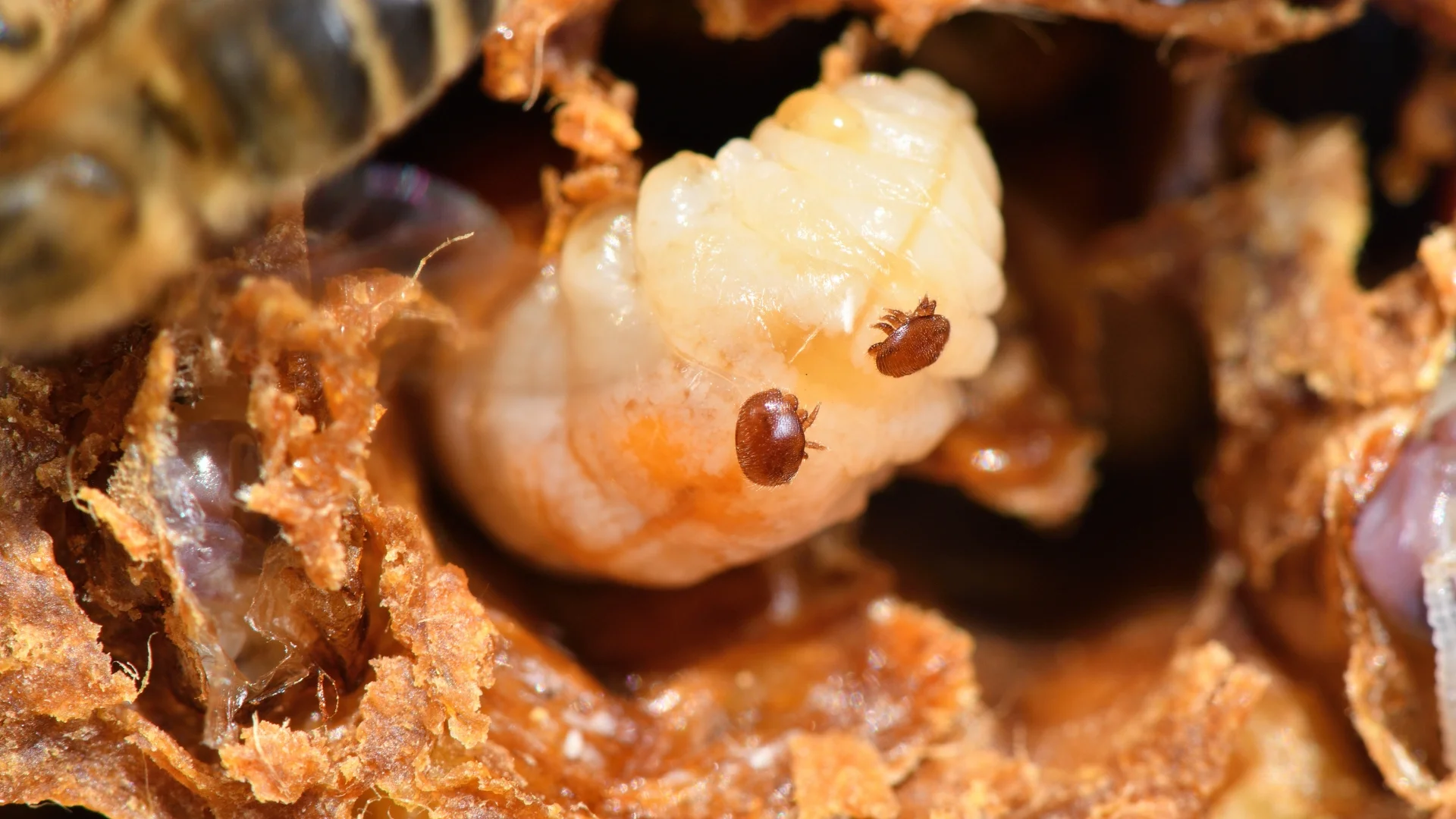
RRI.CO.ID, Bogor - Australia’s battle against the varroa mite (Varroa destructor) is raising concerns beyond its borders and highlighting the importance of stronger preparedness measures in Indonesia. The outbreak has weakened honey bee populations and disrupted agricultural productivity in sectors that depend heavily on pollination services.
An Ecological Genetics Expert from IPB University, Prof. Ronny Rachman Noor, stated that Australia is expected to face a serious pollination crisis in 2026. The country is projected to experience a shortage of around 290 thousand bee colonies during the peak pollination season in August because of the uncontrolled spread of varroa mites.
He warned that the outbreak has already created major consequences for Australia’s beekeeping sector and agricultural ecosystem. “The extremely rapid spread of varroa mites has created severe and painful consequences for Australia’s honey bee industry,” he explained on IPB website on Wednesday, June 17, 2026.
According to him, the impact extends beyond beekeeping and affects broader economic activity across agriculture. Honey bees contribute approximately AUD 14.2 billion annually to Australia’s agricultural sector through pollination services that support multiple crop industries.
Declining bee populations have created direct risks for crops that rely heavily on pollination, including almonds, apples, cherries, stone fruits, and avocados. These conditions could trigger harvest failures, lower production volumes, higher food prices, and greater dependence on imported agricultural products.
Prof. Ronny explained that varroa mites are parasites that live entirely on honey bees (Apis mellifera) and reproduce inside sealed larval cells. By attaching to bees and feeding on hemolymph, the parasites weaken immunity and spread viruses that accelerate colony collapse.
He also highlighted that resistance to chemical treatments has emerged as an additional challenge in affected Australian regions. Populations of varroa in New South Wales and Queensland have reportedly become resistant to pyrethroid and amitraz treatments, reducing the effectiveness of conventional control methods.
For Indonesia, the Australian experience serves as an early warning that stronger preventive action is necessary before similar conditions emerge domestically. Prof. Ronny underscored the importance of strengthening biosecurity systems, enhancing national surveillance for early pest detection, diversifying pollinator sources, and supporting long-term measures through research funding, pest management training, and agricultural policy support.
News Recomendation
Loading latest news.....