



Rising Oil Prices Raise Pressure on Indonesia’s Plastic Industry
- 11 Mei 2026 11:43 WIB
- Voice of Indonesia
Key Points
- Rising oil and naphtha prices are increasing pressure on Indonesia’s plastic and petrochemical industries, raising concerns over packaging and food costs.
- Experts say biomass-based alternatives could become a long-term solution as Indonesia seeks more sustainable and resilient plastic production.
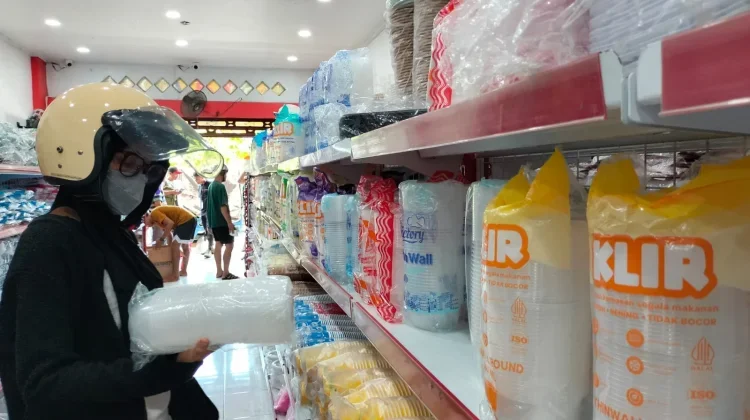
RRI.CO.ID, Jakarta - Indonesia's dependence on imported petroleum-based raw materials is placing growing pressure on the national plastic industry as rising global oil prices increase production costs for packaging and consumer goods.
According to the Chemical Engineering lecturer at the Faculty of Engineering, Gadjah Mada University, Rochmadi, Indonesia’s large demand for petrochemical raw materials has made the country highly dependent on crude oil and its derivatives for plastic production.
“The demand is very large because polyethylene and polypropylene have become part of daily life. They are used not only for packaging, but also for vehicle dashboards, household appliances, and many other products,” Rochmadi said on Monday, May 11, 2026, as quoted on the university's official website.
He explained that the main challenge facing the plastic industry today lies in raw material supply and the petrochemical production chain rather than the quality of plastic products themselves.
Polyethylene and polypropylene, the two most widely used plastics in Indonesia, are produced from ethylene and propylene derived mainly from naphtha, a petroleum fraction processed through cracking technology.
“About 30 percent of naphtha can be converted into ethylene and around 20 percent into propylene, while the rest becomes other products such as carbon residue and short-chain compounds,” he said.
As a net oil importer, Indonesia is vulnerable to rising naphtha prices and global supply disruptions, which can directly affect petrochemical production costs and downstream industries.
“Naphtha is also used for fuels such as gasoline, so there is competition between energy demand and petrochemical industry demand,” he added.
He noted that replacing naphtha with LPG is technically possible but would require adjustments to factory designs and production systems that are currently built specifically for naphtha-based processing. “Technically it can be done, but there are additional cost consequences,” he continued.
Despite the challenges, Rochmadi emphasized that switching raw materials would not affect the final quality of plastic products because the resulting ethylene and propylene remain the same.
He also encouraged the government to explore more sustainable alternatives such as biomass-based feedstocks, pointing to Brazil as a leading example in developing biomass ethanol-based ethylene technology.
“If oil prices continue to rise, biomass-based technology like that developed in Brazil will likely grow further in the future,” he concluded. ***
News Recomendation
Loading latest news.....