



Indonesia Boosts Tech-Driven Collaboration to Find solution of Waste Problem
- 08 Apr 2026 14:34 WIB
- Voice of Indonesia
Key Points
- Indonesia is strengthening waste management efforts through cross-sector collaboration driven by science, technology, and data-based approaches.
- Implementation will focus on optimizing over 100 TPS 3R sites and mobilizing academic support for field-based execution.
- The approach targets source-level waste reduction, supported by stronger regulation, enforcement, and behavior change.
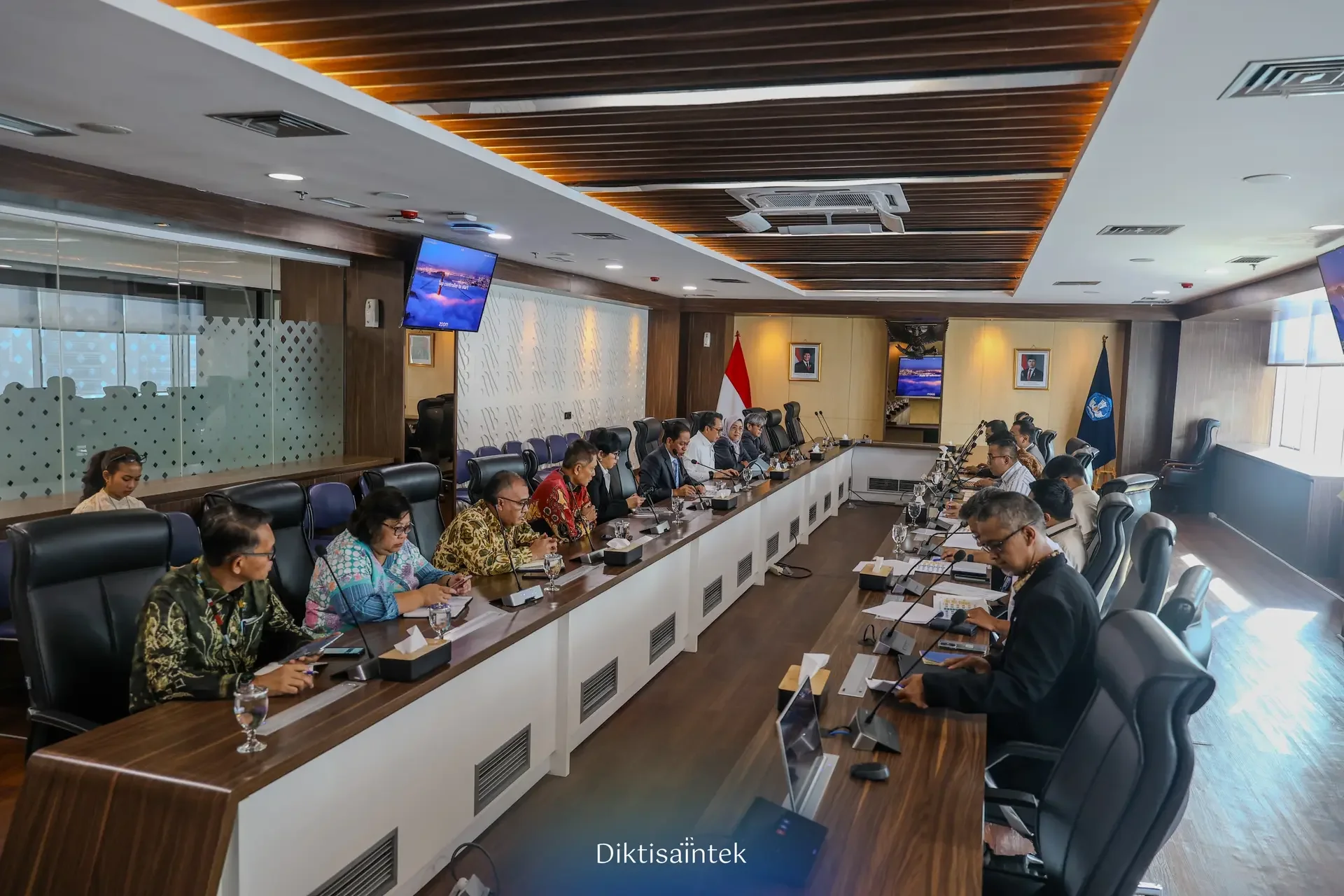
RRI.CO.ID, Jakarta - Indonesia is stepping up efforts to address its growing waste problem by strengthening cross-sector collaboration grounded in science, technology, and innovation. The initiative was highlighted during a meeting between Minister of Higher Education, Science, and Technology, Brian Yuliarto, and Minister of Environment, Hanif Faisol Nurofiq, held in Jakarta on Tuesday, April 7, 2026.
Minister Brian affirmed that data-driven and technology-based approaches are essential to developing effective and sustainable waste management solutions. He noted that existing national frameworks will now be refined to better reflect real conditions on the ground, in coordination with environmental authorities.
“What we previously designed was a macro template. After assessing field conditions, we will use the existing TPS 3R database to move directly into the implementation stage,” Minister Brian said.
In this context, Indonesia plans to accelerate implementation by utilizing data from more than 100 community-based waste management sites, known as TPS 3R facilities—focused on reducing, reusing, and recycling waste. These sites are expected to play a key role in improving waste handling at the source.
Universities will also be actively involved in the process. Academicians, researchers, and students are set to contribute through field surveys, mapping, and technical assessments, helping bridge scientific research with practical implementation.
On the same occation, Minister Hanif, welcomed the collaboration, highlighting the importance of academic involvement in ensuring that policies can be effectively implemented.
“The Ministry of Environment will take into account research and formulations from academics, so that implementation in the field can be more aligned,” he said.
Currently, Indonesia’s waste generation is still dominated by household waste, particularly organic materials. Strengthening waste management at the source is expected to reduce the burden on landfills while improving overall system efficiency.
In addition to technology-driven approaches focused on upstream intervention, the government is also promoting stronger regulations, law enforcement, and public behavioral change. Integrating waste management across households and commercial areas is seen as essential to building a more sustainable system.
News Recomendation
Loading latest news.....