



BRIN Explores Raru Bark as Potential Herbal Therapy for Diabetes
- 02 Mar 2026 12:04 WIB
- Voice of Indonesia
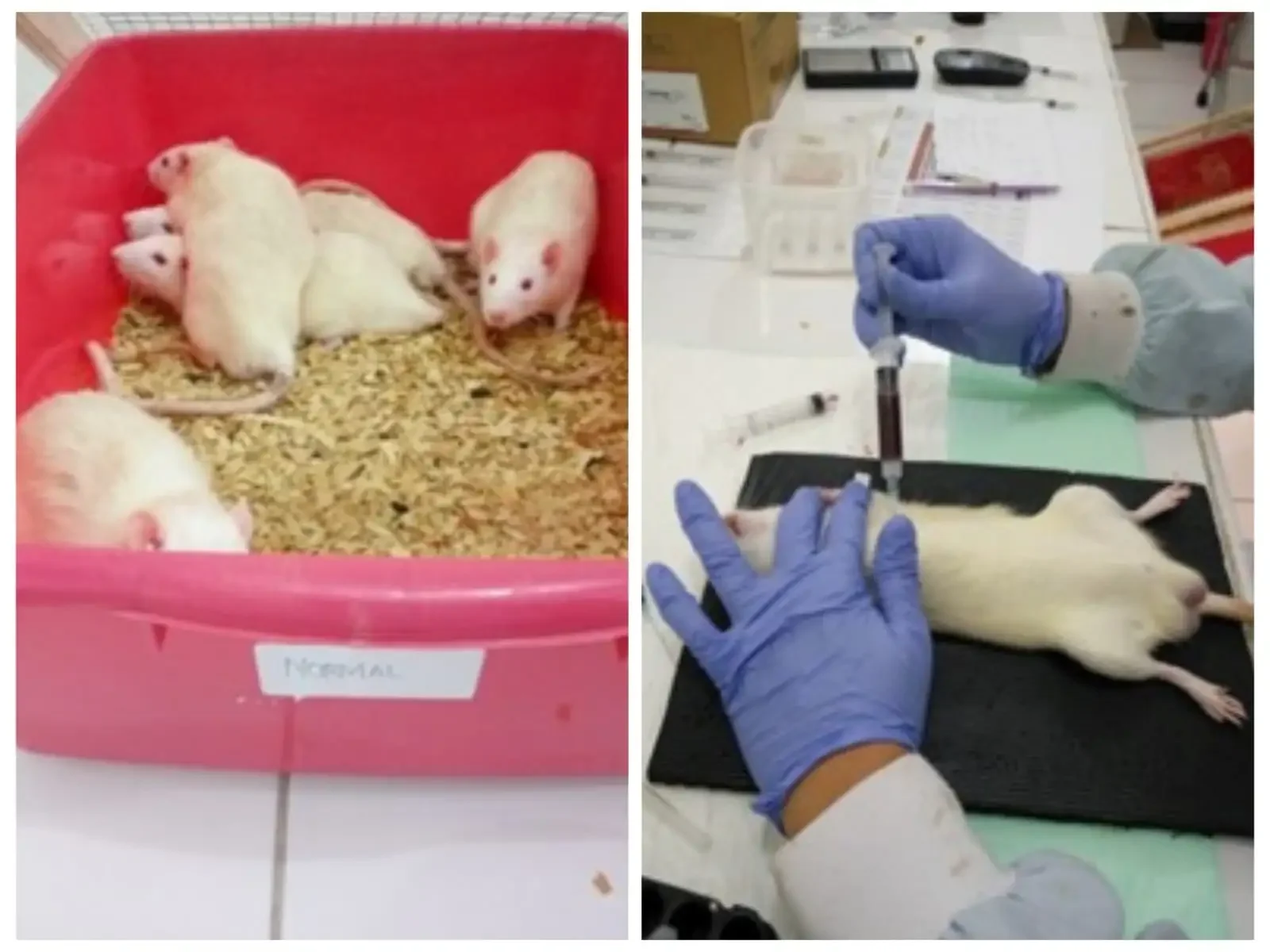
RRI.CO.ID, Yogyakarta - Harnessing Indonesia’s rich biodiversity, researchers at the National Research and Innovation Agency (BRIN) are investigating the potential of raru (Vatica perakensis) bark as an affordable natural treatment for diabetes. The study builds on traditional Batak knowledge, where raru has long been used as an additive in local beverages such as tuak and is believed to help lower blood sugar levels.
Rsearcher Gunawan Trisandi Pasaribu at BRIN’s Center for Applied Botany, explained that raru bark extract contains antioxidant properties and may inhibit the activity of alpha-glucosidase, an enzyme responsible for breaking down carbohydrates into glucose.
“To enhance its effectiveness, we combined raru bark extract with mocaf-based activated carbon, which acts as a carrier for the active compounds,” Gunawan said recently, as quoted on BRIN official website.
The activated carbon, produced through a specialized heating process, forms an ultra-fine porous structure designed to deliver and release active compounds more efficiently in the body.
Gunawan and his team conducted a study titled “Antidiabetic Effects of Raru Bark (Vatica perakensis) Extract and Mocaf-Based Activated Carbon in Streptozotocin-Induced Diabetic Rats.” Test animals were divided into control groups, those receiving raru extract alone, and those given combinations of raru extract and activated carbon at varying ratios.
Results showed that raru extract alone reduced blood sugar levels by 21.94 percent. The combination treatments recorded decreases of 18.85 percent at a 75:25 ratio and 14.97 percent at a 50:50 ratio. While the 75:25 mix performed better than the 50:50, Gunawan noted that overall, the addition of activated carbon did not significantly improve effectiveness compared to the extract alone.
Previous studies also demonstrated that raru extract could inhibit alpha-glucosidase activity in vitro by more than 90 percent, likely due to its phenolic compounds.
Gunawan acknowledged that further research is needed, including pharmacokinetic analysis, detailed mechanism studies, and safety evaluations before clinical trials in humans can begin.
“This research is an important first step in elevating local wisdom into science-based herbal innovation. Moving forward, we will conduct phytochemical analysis to identify active compounds, optimize delivery systems, and deepen studies on mechanisms and safety,” he said.
Through this work, BRIN reinforces its commitment to developing health solutions rooted in Indonesia’s biodiversity, turning natural wealth into innovations with tangible benefits for society. ***
News Recomendation
Loading latest news.....