



Indonesian Researcher Explores Bioplastics from Cassava Starch
- 24 Feb 2026 13:31 WIB
- Voice of Indonesia
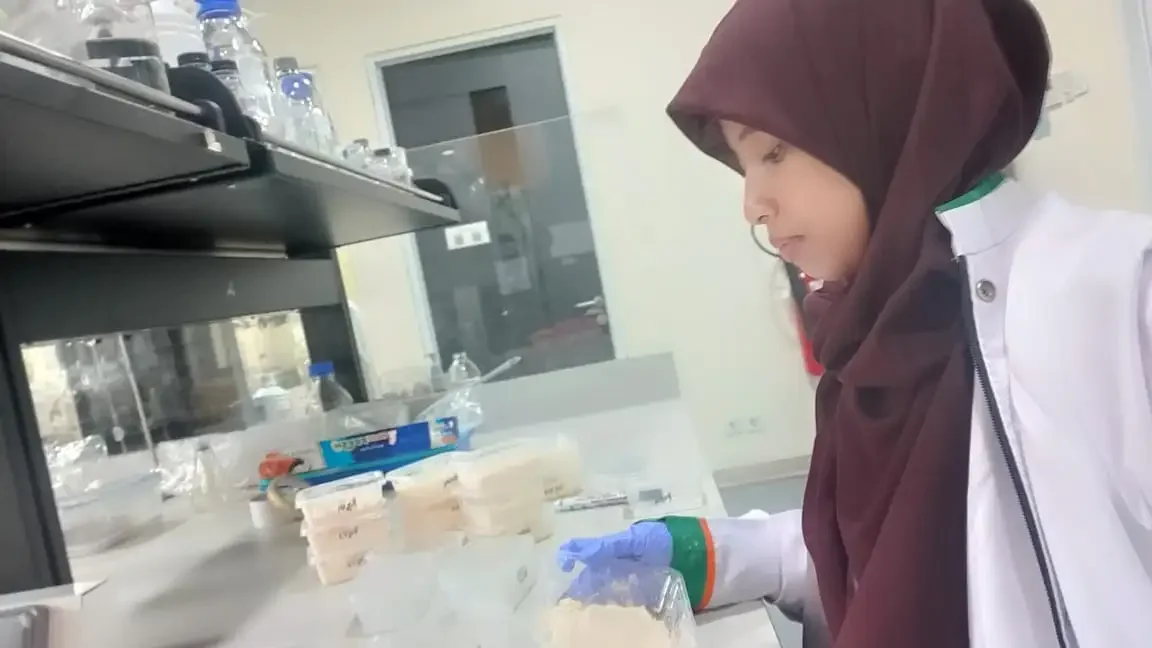
RRI.CO.ID, Yogyakarta - Plastic is a widely used material, from industrial to household use. However, petroleum-based plastics are highly resistant to natural degradation, resulting in massive waste buildup.
This has led to growing global concern about the environmental consequences of plastic pollution. Therefore, current research efforts are now focusing on identifying alternative materials that offer greater sustainability, including by the Indonesian National Research and Innovation Agency (BRIN).
Researcher at the BRIN's Food Technology and Processing Research Center, Rina Wahyuningsih, is exploring the possibility of producing bioplastics from cassava starch. Cassava is gaining significant attention in Indonesia due to its abundance, cost-effectiveness, and environmental friendliness.
She explained that bioplastics are sustainable materials often made from natural polymers, such as starch, cellulose, and chitosan, as well as proteins and fats. All of those, as quoted from the BRIN release on Monday, 23 February 2026, are sourced from renewable sources.
"Bioplastics can be naturally decomposed by microorganisms, so they do not leave harmful toxins in the environment because of their natural ingredients," Rina said on Friday, 20 February 2026.
Bioplastics can decompose up to 60-90% in soil within six days, unlike conventional plastics, which can take decades to decompose. However, bioplastics exhibit weak mechanical strength and poor water resistance, owing to the hydrophilic nature of starch, which compromises their stability.
"Therefore, the addition of plasticizers such as gelatin is necessary to improve its stability and mechanical properties," Rina explained.
According to her, gelatin is derived from hydrolyzed collagen found in animal connective tissue, giving it a hydrocolloid nature. The collagen allows gelatin to form thin, elastic sheets, making it an ideal material for producing bioplastics.
Various types of gelatin are currently used as plasticizers in bioplastics, affecting their physical and mechanical properties. One of them is free-range chicken eggshell membranes (INCES).
"In Indonesia, INCES are still widely available and underexplored as a gelatin source for bioplastic production. INCES contains 31% collagen, and this has great potential as a gelatin source," Rina said.
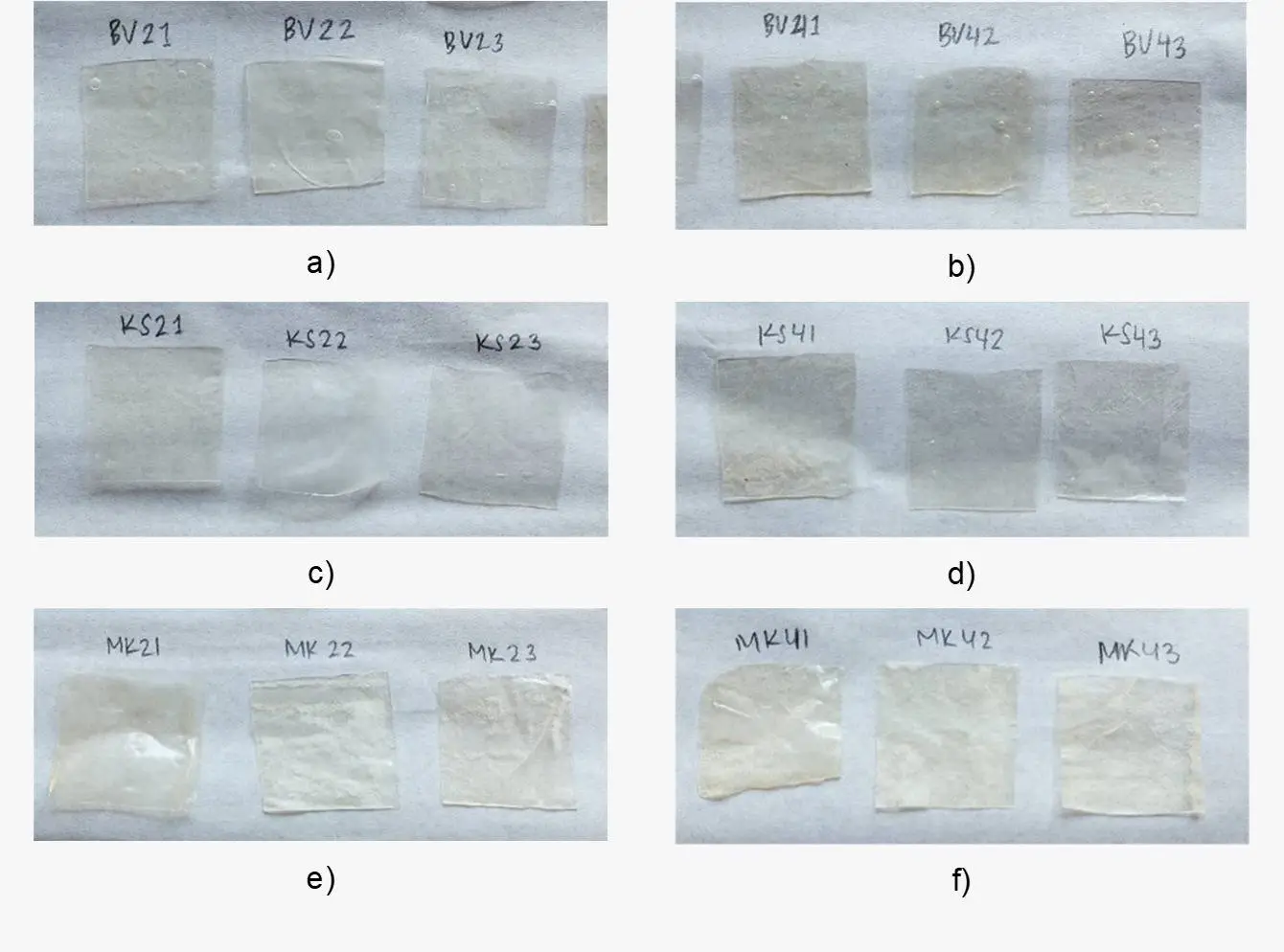
The addition of gelatin from the eggshell membrane was one of the study findings, as well as a new method for improving the physical properties of cassava starch bioplastics. Bioplastics enriched with 2% and 4% gelatin demonstrated low tensile strength, high water solubility, and could degrade in soil within five days.
"Further research should explore the addition of other substances such as chitosan, agar, and cellulose to improve its mechanical properties. Bioplastics with proven mechanical properties but high degradation capabilities are expected to support sustainable food packaging technology," she concluded.
Located in Gunungkidul Regency, Special Region of Yogyakarta, BRIN's Food Technology and Processing Research Center is tasked with exploring findings and innovations on food technology and processing. It has developed various products from aloe vera beverages to sago-based noodles.
News Recomendation
Loading latest news.....