



Zero Click Phenomenon, a Serious Challenge for Journalism
- 31 Jan 2026 17:16 WIB
- Voice of Indonesia
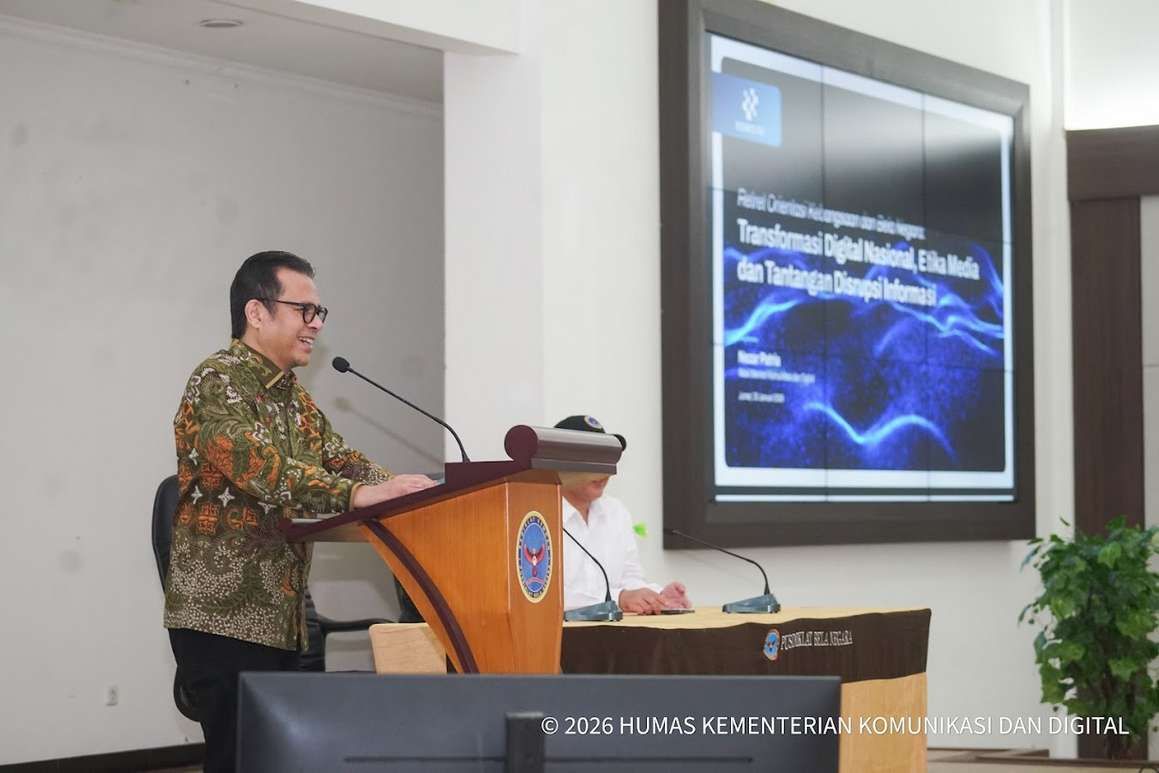
RRI.CO.ID, Jakarta - The zero click phenomenon is becoming a new challenge for journalism amidst the rapid development of digital technology. Deputy Minister of Communication and Digital Nezar Patria said this at the Indonesian Journalists Association (PWI) retreat held in Bogor on Friday, January 30, 2026, as quoted on the ministry's official website.
He said that the development of artificial intelligence technology has brought fundamental changes to journalistic practice. This digital transformation has not only changed the way journalists work but also impacted business models and the sustainability of the media industry.
He explained that the media industry's shift from traditional to digital platforms has been accelerated by advances in AI technology. Furthermore, the dominance of algorithm-based digital platforms has created a new wave of information distribution that is no longer fully controlled by media editorial staff.
"We are facing the zero click phenomenon, where the public can simply read a news summary presented by AI without having to visit the original news source," said Nezar.
Zero click is when users obtain information directly from search engines or digital platforms, such as Google, without clicking on a link to the media website. In other words, readers no longer access official media portals for comprehensive information.
According to Nezar, this phenomenon arose due to the rapid development of AI technology. This technology is capable of delivering informative content instantly, allowing the public to obtain news without going through official media channels.
As a result, media traffic has declined and the sustainability of the press industry is threatened. News distribution is no longer fully under editorial control, but increasingly relies on digital platforms operated by algorithms and AI.
"Access and the flow of information are now largely controlled by platforms that operate with AI technology," he said.
Nezar added that this situation is reinforced by research from the Reuters Institute in collaboration with the University of Oxford. The research showed a decline in optimism among media practitioners regarding the future of journalism.
The research recorded a decline in digital media traffic of more than 40 percent, in line with the increasing consumption of information through AI-based platforms and services. People are increasingly accessing official news portals, as information is now available concisely and instantly through other digital services.
Deputy Minister Nezar also highlighted the challenges of media sustainability amidst the exploitation of journalistic content by technology companies.
According to him, copyright protection and the development of a fair collaboration model between digital platforms and media are strategic issues that must be addressed together.
As a concrete step, the Ministry of Communication and Digital has prepared various policies and programs, including the issuance of Presidential Regulation No. 32/2024 concerning the Responsibilities of Digital Platform Companies to Support Quality Journalism (Publisher Rights), to support media sustainability amidst the exploitation of journalistic content by technology companies.
Furthermore, the government is currently developing a National Artificial Intelligence Roadmap, which will serve as a guideline for the development and utilization of AI in Indonesia.
These efforts are expected to encourage mutually beneficial collaboration between media and digital platforms to ensure the future of quality journalism. ***
News Recomendation
Loading latest news.....