


BRIN Develops NEO-1 Satellite, Continues LAPAN-A Series Success
- 15 Jan 2026 17:16 WIB
- Voice of Indonesia
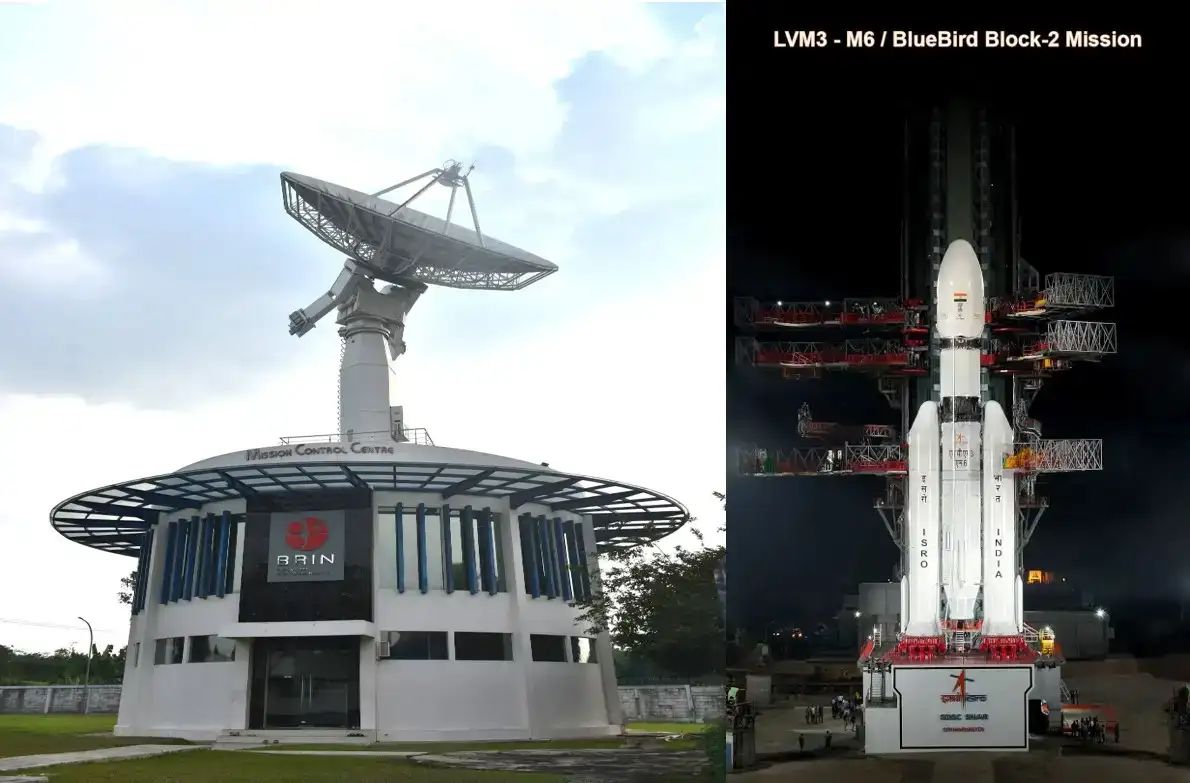
KBRN, Jakarta: The Indonesian Agency for Research and Innovation (BRIN) is reinforcing Indonesia’s position in the space technology sector through the successful launch of three national satellites: LAPAN-A1, LAPAN-A2, and LAPAN-A3.
The agency is developing a fourth-generation satellite, Nusantara Earth Observation-1 (NEO-1), scheduled for launch at the end of 2026.
Suraduita Mupasanta, Senior Engineer at BRIN’s Satellite Technology Research Center, said the country’s progress in space research demonstrates Indonesia’s independence in mastering satellite technology.
She explained that LAPAN-A1 was the first-generation experimental satellite, developed through collaboration between Indonesian researchers and Technische Universität Berlin in Germany.
Designed in Germany, the satellite operates in polar orbit for Earth observation missions. “This satellite has exceeded its predicted operational life and can still receive commands even though it is no longer carrying out its main mission,” Suraduita said during a visit by students from Prof. Dr. Hamka Muhammadiyah University in Bogor on Thursday, January 15, 2026, as quoted by BRIN.
LAPAN-A1 was launched on January 10, 2007, using India’s Polar Satellite Launch Vehicle (PSLV) C7 rocket. Although it was designed to last only two to three years, its communication system remains functional today.
LAPAN-A2, developed in collaboration with the Indonesian Amateur Radio Organization (ORARI), marked the next step in national space innovation.
Launched on September 28, 2015, by PSLV C30, the satellite continues to operate effectively. It plays a vital role in Earth monitoring and disaster mitigation through its spacecam, voice repeater (VR), and Automatic Packet Reporting System (APRS) payloads, as well as in ship monitoring via the Automatic Identification System (AIS). The ORARI community supports satellite communications across Indonesia.
LAPAN-A3, developed with the Bogor Agricultural University (IPB), was launched on June 22, 2016, using a PSLV C34 rocket. The satellite remains active, providing global data coverage for AIS missions and vegetation monitoring through a multispectral camera.
Suraduita emphasized that all satellites are controlled from BRIN’s ground stations in Rancabungur (Bogor), Kototabang (West Sumatra), Parepare (South Sulawesi), and Biak (Papua). “The latest satellite currently under development is NEO-1. It has now entered the testing and integration phase,” she said. ***
News Recomendation
Loading latest news.....