



Kratom Cultivation as Ecological Asset, Social Opportunity in Kalimantan
- 25 Nov 2025 16:13 WIB
- Voice of Indonesia
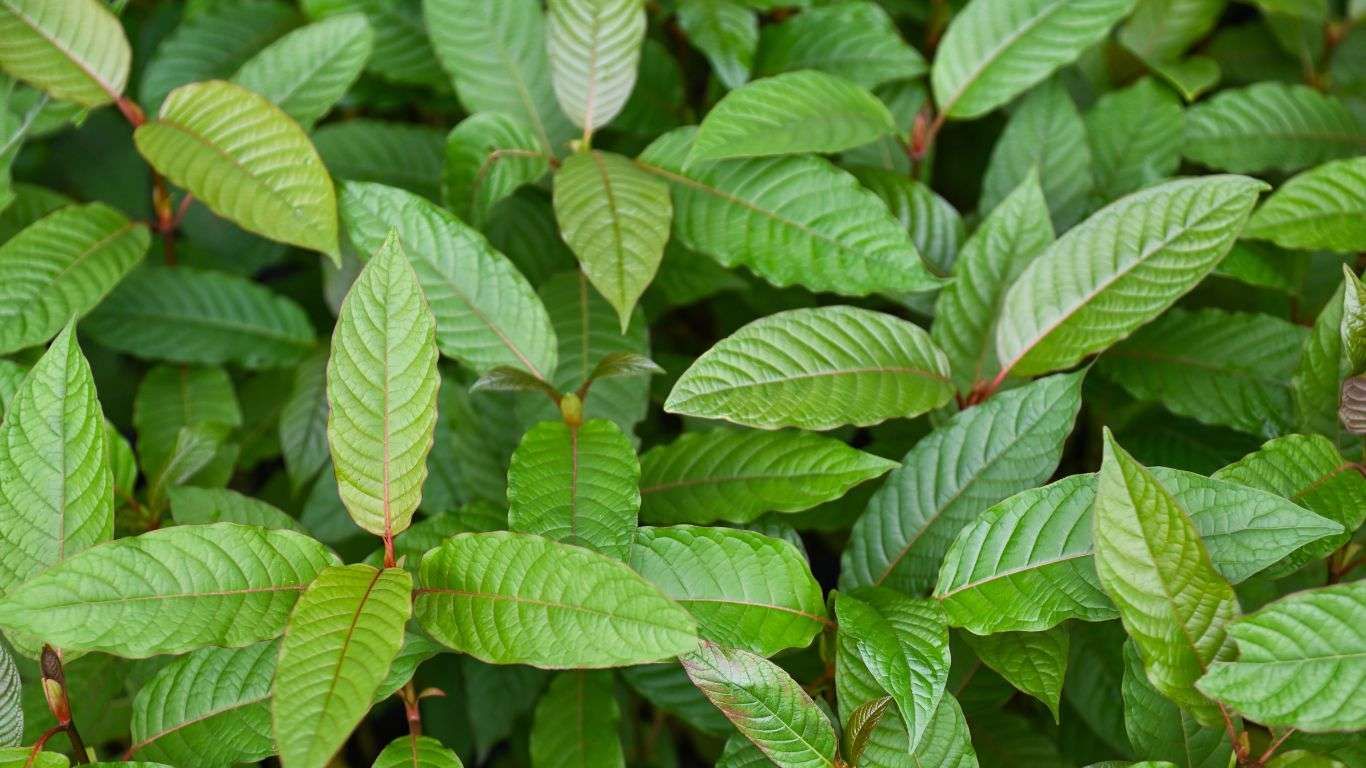
KBRN, Jakarta: Kratom cultivation in Kapuas Hulu, West Kalimantan, is emerging not only as a center of production but also as a source of ecological benefits and social empowerment. Beyond its role as a traditional medicine, the plant contributes to environmental protection and provides new livelihood opportunities for local communities.
Kratom (Mitragyna speciosa) is a tropical tree native to Southeast Asia, whose leaves are used as a herbal substance with stimulant and opioid-like effects. It has been traditionally consumed in countries like Indonesia, Thailand, and Malaysia, and is now sold globally in powders, capsules, teas, and extracts.
Slamet Wahyono, Senior Researcher at BRIN’s Center for Raw Materials and Traditional Medicine, explained during the recent webinar “Nature and Tradition: Exploring the Potential of Indonesia’s Medicinal Plants” that kratom has become a significant plantation crop in West Kalimantan, even surpassing rubber in popularity.
“Kratom has ecological value. It can help prevent riverbank erosion, while also serving as a traditional remedy,” Slamet said as, as quoted on BRIN's official website on Tuesday, November 25, 2025.
Kratom’s rapid leaf regeneration and ability to grow along riverbanks make it useful for reducing greenhouse effects and supporting reforestation. As a non-timber forest product, it also creates employment opportunities when harvested.
Cultivation methods vary depending on market demand, with leaves either dried directly or processed through fermentation. Larger producers have invested in machinery to produce kratom powder, adding value to the commodity.
“The high value of kratom creates jobs, especially in Kapuas Hulu. Planting, harvesting, and post-harvest processes are carried out by local farmers, providing steady work,” Slamet noted.
He added that the income generated helps reduce school dropouts, supports children’s education outside the district, and even lowers crime rates as communities remain engaged in farming.
Empirical data from BRIN’s Ristoja survey in 2015 documented kratom’s traditional use across various ethnic groups.
In West Sulawesi’s Galumpang community, kratom was used to treat diarrhea and skin ailments, while the Bencian people of East Kalimantan applied it for facial care. In Kutai, kratom was used in postpartum treatments, and in Berau, North Kalimantan, it was employed to relieve fatigue and regulate menstruation.
The webinar also featured Irwan Effendi, Head of Aketajawe Lolobata National Park (TNAL), who presented findings on medicinal plants based on the knowledge of the O’Hongana Manyawa (Tobelo Dalam) community.
TNAL, with its intact ecosystems and rich biodiversity, has identified 38 medicinal plant species from 24 families, offering 21 therapeutic uses, including six for postpartum care. Among the most frequently used plants are from the Euphorbiaceae and Zingiberaceae families.
In collaboration with BRIN’s Organization for Biological and Environmental Research (ORHL), TNAL is conducting scientific studies on four key species: Togutil root (Fibraurea sp.), Yellow root (Arcangelisia flava), Ant nest (Myrmecodia sp.), and Galoba (Alpinia nutans).
“These plants are part of our program roadmap with BRIN: Togutil root in 2025, Yellow root in 2026, Ant nest in 2027, and Galoba in 2028,” Irwan explained.
He emphasized that TNAL will lead exploration and species collection, while BRIN laboratories will identify active compounds at the molecular level. ***
News Recomendation
Loading latest news.....