


Indonesian Researchers Uncover Traces of Austronesian Civilization in Papua
- 29 Sep 2025 05:18 WIB
- Voice of Indonesia
KBRN, Jakarta: Indonesian National Research and Innovation Agency's (BRIN) Prehistoric and Historical Archaeology Research Center's researcher, Erlin Novita Idje Djami, has successfully uncovered traces of Austronesian migration in Papua.
Research on Kapotar Island, in Cenderawasih Bay, reveals traces of human settlements that have existed for approximately 2,000 years.
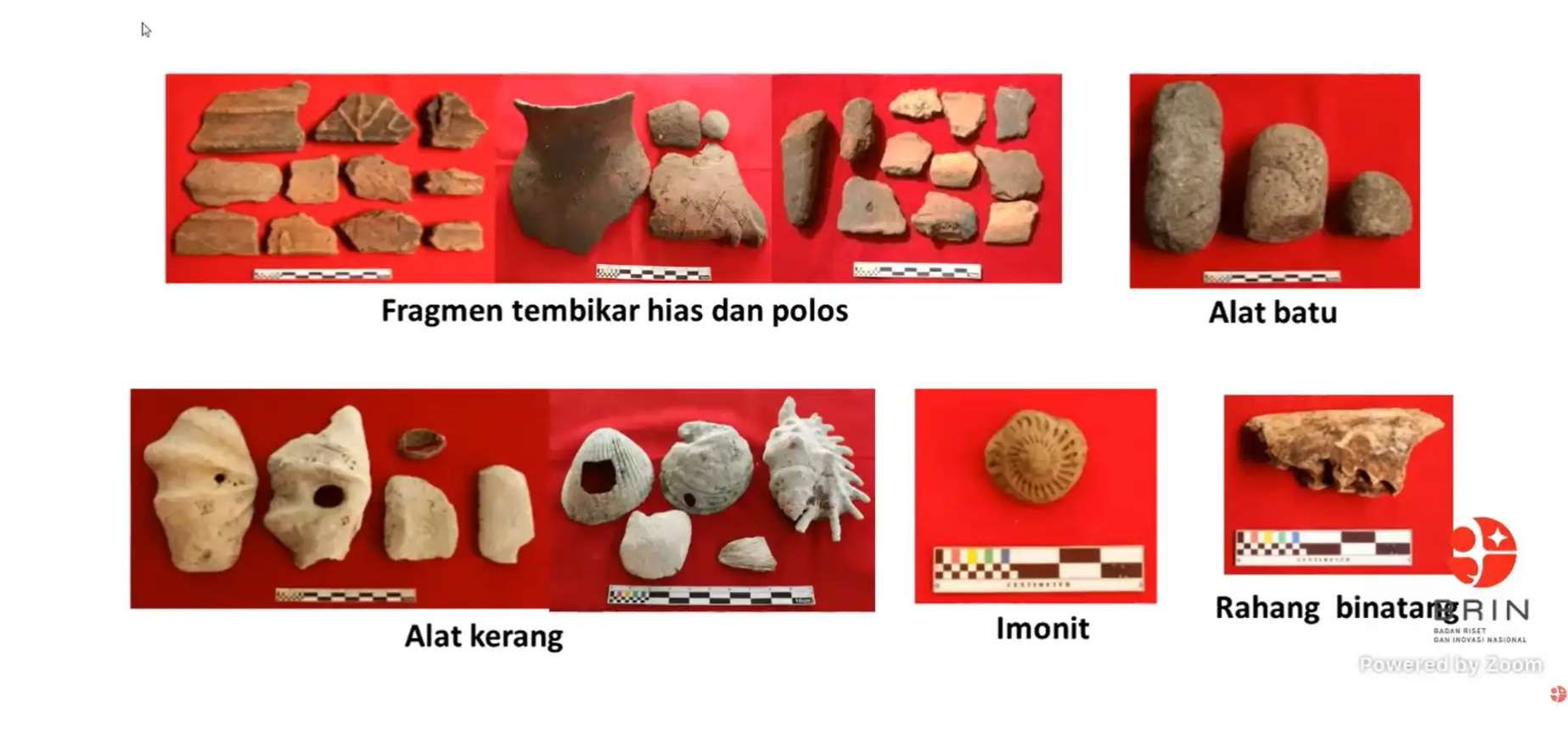
Erlin presented the results of the excavation on Kapotar Island, based on surveys and excavations at Swama Cave and Momorikotey Hill.
At this location, various artifacts were found, including pottery, stone tools, bony tools, obsidian, beads, Chinese ceramics, and human skeletal remains.
Erlin said that the Austronesian people in Papua were adaptive. This is indicated by their settlement patterns near water sources, the use of caves and hills, the presence of domestic activities, and funerals.
Erlin added that the dating results showed that cultural activities on Kapotar Island had been in existence since 2,100-2,700 years ago.
“The discovery of obsidian also indicates the existence of an Austronesian trade network in the Pacific region,” she said at the “Rekam Jejak Manusia dan Budaya Austronesia di Nusantara" (Traces of Austronesian People and Culture in the Archipelago) forum on September 25, as quoted by brin.go.id on Saturday, September 27, 2025.
Erlin said that Kapotar Island was a vital point in the Austronesian migration map in the Pacific region. This finding confirms the pivotal role of Papua in the Austronesian migration and cultural network. ***
News Recomendation
Loading latest news.....