



The Global Spice Route Shapes Identity and Cultural Memory
- 24 Sep 2026 17:17 WIB
- Voice of Indonesia
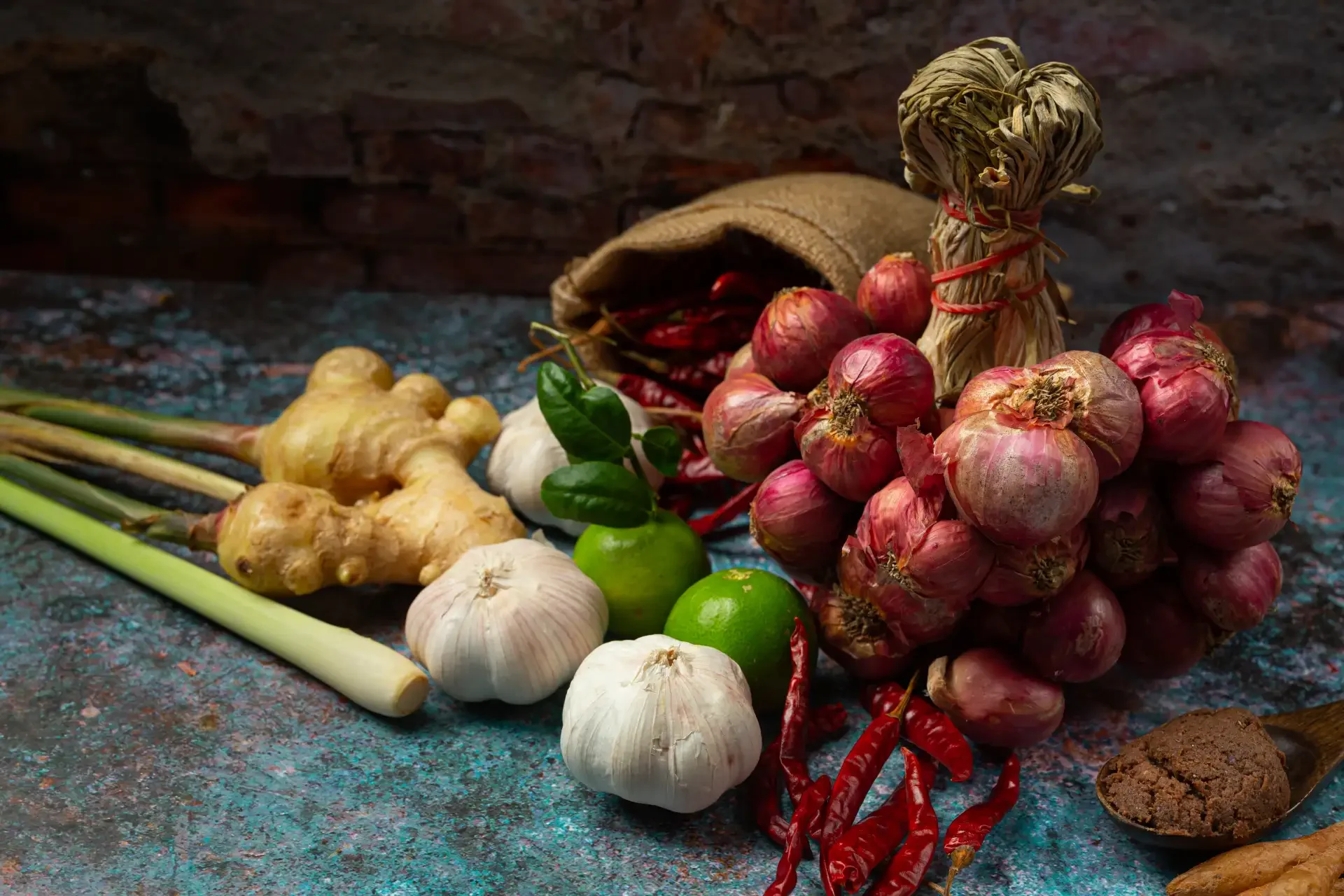
RRI.CO.ID, Jakarta - The legacy of the global spice route goes far beyond the history of trade. The exchange of commodities across oceans helped shape social identity, local knowledge, artistic expression, and cultural imagination in communities around the world, with the Indonesian archipelago as one of its central hubs.
Scholars, researchers, policymakers, and heritage advocates increasingly share this view. They argue that the movement of goods in the past always came with the movement of knowledge, symbols, ideas, and cultural practices, which then adapted to new regions.
The traces are visible in language and food. The Indonesian expression bau kencur grew out of how closely the kencur root was tied to traditional medicine and infant care. It later became a figure of speech for someone who lacks experience but is full of energy and creativity. In South Sulawesi, the names of traditional dishes record the availability of natural resources, inherited cooking techniques, and the history of the Bugis, Makassar, and Mandar peoples.
Art and belief also carry the mark of spices. The nutmeg motif on the pamor of Madurese keris blades shows that sea routes brought visual ideas and imagination that local communities adapted into their own cultural works. In Bali, myths and beliefs about clay as something to be treated with respect help sustain the ceramic craft, preserve ecological harmony, and bind the community together.
This heritage also holds a colonial history that deserves a critical reading. Contemporary art in the Banda Islands brings colonial memory back in a fuller form. There, nutmeg is seen not only as a commodity but as a symbol that reveals the experiences of local people, which are often reduced to tourism narratives.
The meaning of a commodity is never fixed. Frankincense once carried economic value and was used in medicinal practices, yet in popular narratives today it is often framed as a marker of the supernatural. This shift shows that the image and representation of a commodity change with culture, media, and the way societies tell stories about the past.
For this reason, protecting the spice route legacy takes more than preserving objects, commodities, or historic sites. The knowledge, memory, symbols, and cultural meanings that live within communities are equally important parts of that heritage.
The study of the spice route therefore remains relevant amid social change and technological advances. This legacy is not merely a record of the past but an ongoing process in which societies form, sustain, and reinterpret their cultural identities.
News Recomendation
Loading latest news.....