



Digital Social Protection System Updated to Improve Aid Accuracy
- 09 Sep 2026 06:38 WIB
- Voice of Indonesia
Key Points
- government is integrating public assistance distribution through the Social Protection Digitalization program.
- Public can submit objections or corrections to welfare data through official government channels.
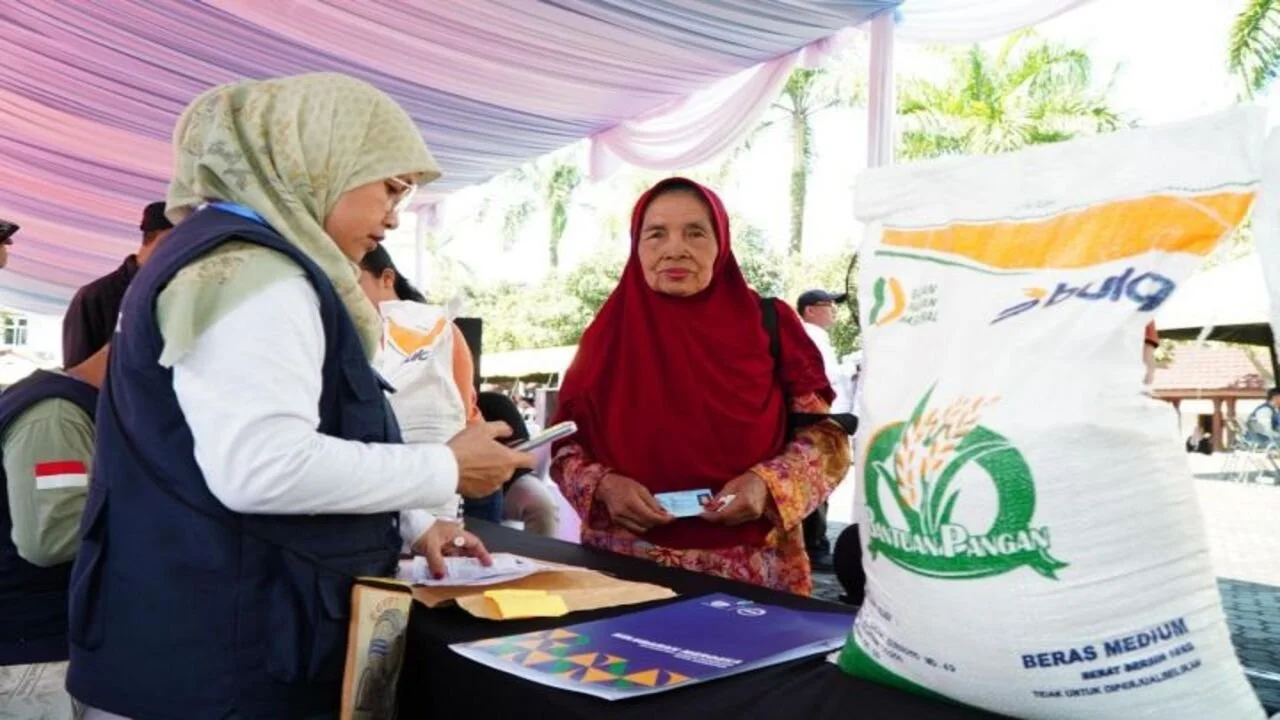
RRI.CO.ID, Jakarta - The Indonesian government is developing a nationwide digital public aid distribution system, as mandated under Presidential Instruction No. 4/2025.
“The government recognizes that data as large and complex as the National Socio‑Economic Single Data (DTSEN) requires continuous updating. The Central Bureau of Statistics (BPS) continues to update DTSEN in collaboration with relevant ministries, agencies, and local administrations. At the same time, the public is not treated as passive observers,” said Head of the Government Communication Agency (Bakom), Muhammad Qodari, when announcing the official data release on Monday, September 7, 2026.
BPS manages DTSEN, serving as a shared reference to improve the accuracy of program targeting.
He explained that citizens can participate in staged re‑verification of social data. This open correction mechanism ensures that information on aid recipients accurately reflects real‑world conditions.
“The public can review data and submit proposals or objections through the Usul‑Sanggah (Proposal‑Objection) mechanism. These channels include the Ministry of Social Affairs’ Cek Bansos platform, the Social Welfare Information System Next Generation (SIKS‑NG), and the Cek‑DTSEN channel provided by BPS, all of which follow established procedures,” Qodari said.
Qodari cited the case of Mr. Timbul, a pedicab driver from Kulon Progo Regency in Yogyakarta, whose welfare data was successfully corrected, shifting his status from Decile 9 to Decile 3.
“This demonstrates that the updating mechanism is functioning and will continue to operate in line with the changing dynamics of public welfare,” he said.
He emphasized that a decile figure is not the sole determinant of eligibility for aid. Instead, it serves to map the population’s relative welfare levels as one of the primary references for program implementation.
“Ministries and agencies administering these programs continue to use their respective indicators, requirements, and mechanisms tailored to their objectives. Therefore, a change in an individual’s decile ranking does not automatically mean they will lose eligibility for all government social programs,” Qodari stated.
He added that the government prioritizes the accuracy of social data as it refines the social protection system. Public input is used to improve data quality and ensure correction mechanisms function effectively.
“The goal is to ensure state assistance reaches those who need it most. The government’s guiding principle is effective targeting while considering real community conditions. The government does not want eligible citizens to be overlooked, nor assistance to go to those who no longer need it.”
He stressed the importance of consistently updating the system to keep pace with changes in citizen welfare. The government remains committed to maintaining national data integrity to ensure equitable distribution of social assistance.
“The digitalization of social protection is not merely about technology or changes in decile figures. It is about building a system that is fairer, more accurate, more transparent, and better able to reflect the real‑life conditions of the community,” he concluded. (Misni Parjiati)
News Recomendation
Loading latest news.....