



Indonesia Expands Specialist Training with ACGME Standards
- 03 Sep 2026 23:16 WIB
- Voice of Indonesia
Key Points
- The Ministry of Health is strengthening specialist doctor training programs (PPDS) to improve educational quality.
- Indonesia still faces a shortage of around 60,000 specialist doctors, with 173 regional public hospitals lacking the seven core medical specialties.
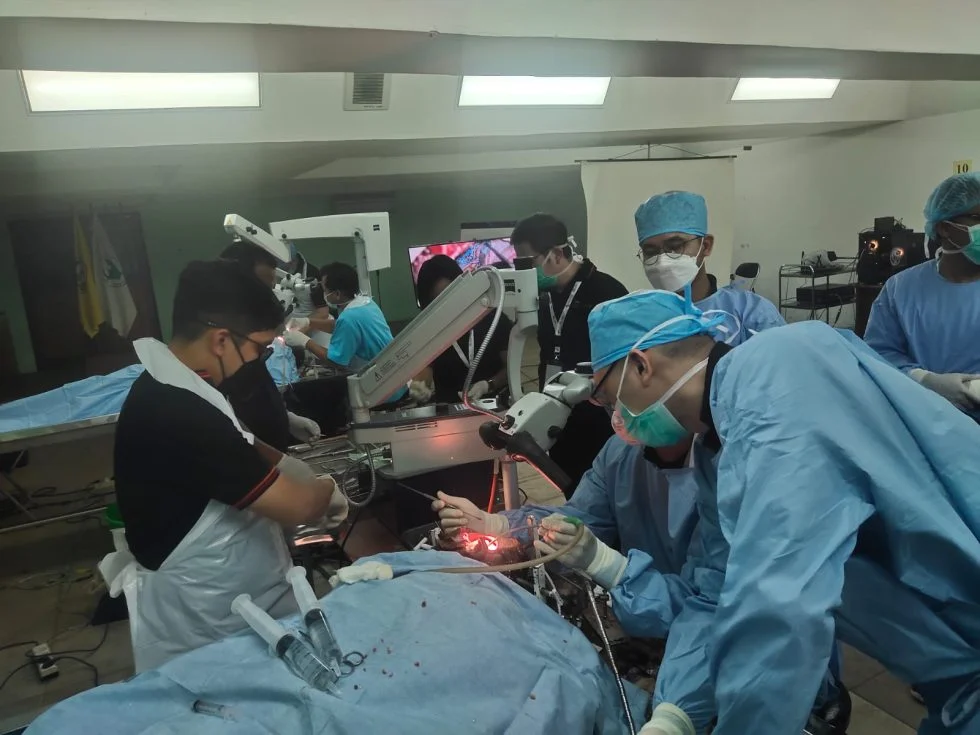
RRI.CO.ID, Jakarta - The Indonesian Ministry of Health is strengthening specialist doctor training programs (PPDS) to improve educational quality. Twenty‑five new programs will adopt international standards set by the Accreditation Council for Graduate Medical Education (ACGME).
The ACGME is an independent, private, non‑profit organization based in the United States that evaluates and accredits graduate medical education programs and their sponsoring institutions.
Health Minister Budi Gunadi Sadikin said the adoption of ACGME standards will ensure high‑quality clinical education and help prevent bullying.
“Instruction must be provided by teachers, not senior trainees. This reduces the likelihood of bullying,” Minister Budi said in Jakarta on Thursday, September 3, 2026, as quoted by Antara.
The standards also require trainees to undergo periodic mental‑health evaluations, including annual interviews.
Minister Budi emphasized that specialist training cannot rely solely on classroom learning. Trainees must gain hands‑on experience treating patients across a sufficient volume of cases. Additional training centers are therefore needed to prevent trainees from becoming concentrated in a single hospital.
Indonesia still faces a shortage of around 60,000 specialist doctors. Currently, about 173 regional public hospitals (RSUD) lack the seven core medical specialties. The government aims to increase the number of training centers while ensuring a more equitable distribution of specialists across the regions.
In the first phase, beginning in 2026, the government will issue permits for 25 hospital‑based PPDS programs. These include 11 core specialty programs and 14 programs in cardiology, oncology, neurology, and urology. With these additions, the number of hospital‑based PPDS programs operating as Main Training Hospitals will increase to 31 across 31 hospitals.
All programs are conducted in collaboration with teaching hospitals, universities, and medical colleges to ensure competency standards are met. They are partnered with nine state universities, including the University of Indonesia, Airlangga University, Padjadjaran University, Diponegoro University, and Brawijaya University.
The expansion of specialist residency training will continue. In the second phase, also beginning in 2026, the government aims to obtain operational permits for 30 specialist programs by October. These include 13 basic specialty programs and 17 programs in the KJSU categories (cardiology, oncology, neurology, and urology).
ACGME President and CEO James A. Arrighi welcomed the collaboration with the Ministry of Health. He expressed hope that the implementation of the ACGME framework would help ensure the quality of residents, the future medical professionals who will serve the Indonesian public. ***
News Recomendation
Loading latest news.....