



Govt Adjusts Airline Fare Rules as Fuel Costs Rise
- 02 Sep 2026 23:26 WIB
- Voice of Indonesia
Key Points
- The Ministry of Transportation raised the maximum fuel surcharge for domestic scheduled flights from 30 percent to 40 percent of the maximum fare.
- The higher fuel surcharge ceiling does not translate into a 40 percent increase in ticket prices.
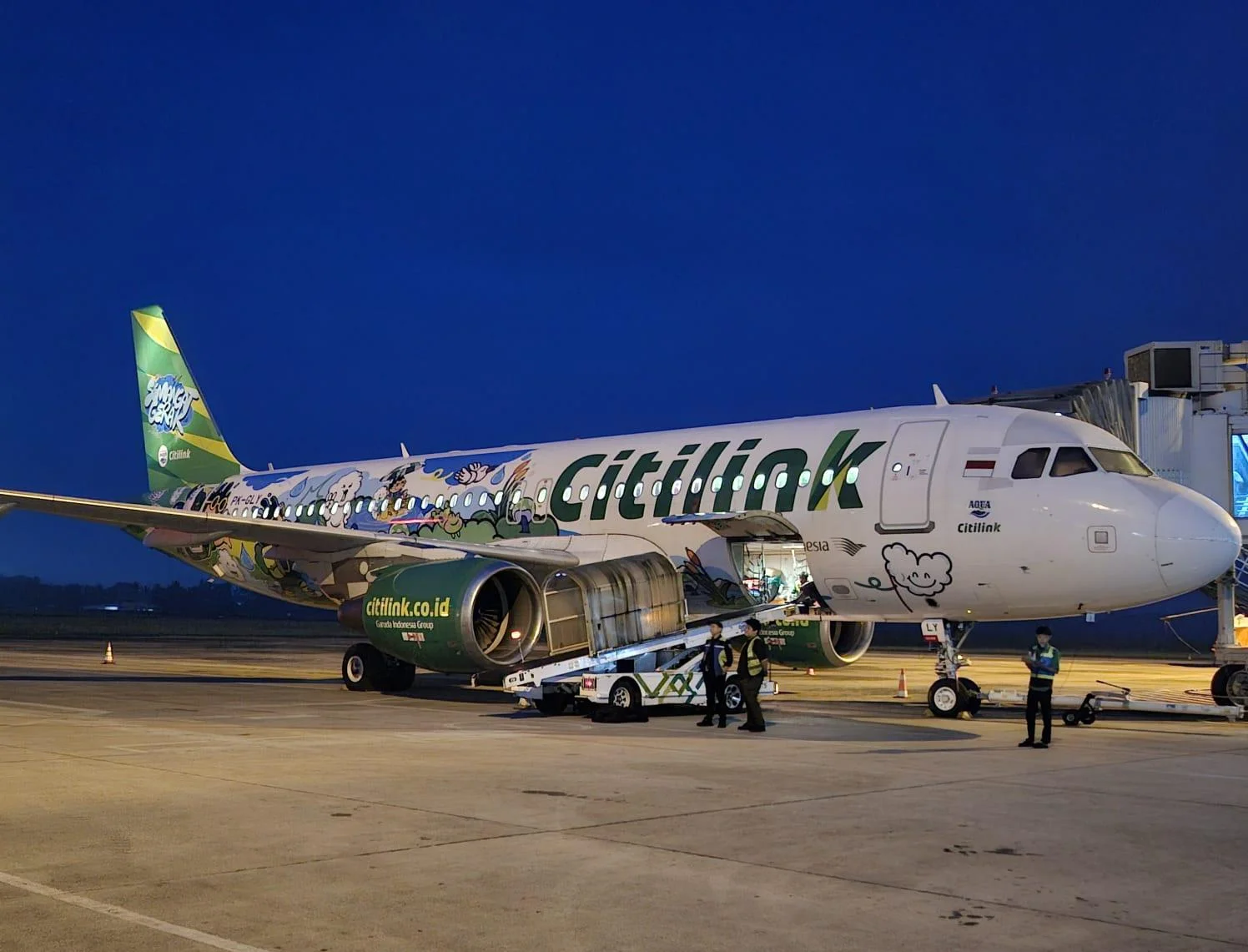
RRI.CO.ID, Jakarta - The rise in aviation fuel prices is putting pressure on domestic airfares, prompting the government to raise the maximum fuel surcharge (FS) for domestic scheduled flights from 30 percent to 40 percent of the maximum fare.
The adjustment gives airlines greater flexibility to offset higher fuel costs, although they are not required to apply the full amount.
The Ministry of Transportation made the change after evaluating national aviation fuel prices. As of September 1, 2026, the average national aviation fuel price stood at IDR 23,315 per liter, up 6.5 percent from the previous period, based on prices published by aviation fuel suppliers.
Aviation fuel is a major component of airline operating costs, meaning sustained increases can put upward pressure on overall flight expenses and, potentially, the fares paid by passengers.
Director General of Civil Aviation at the Ministry of Transportation, Lukman F. Laisa, stressed that the 40 percent figure is a ceiling, not a mandatory charge.
“The 40 percent limit is the maximum, so air transportation companies can set fuel surcharges below that limit according to business strategy and market conditions,” Lukman said in Jakarta on Wednesday, as quoted by Antara.
He also emphasized that the higher fuel surcharge ceiling should not be interpreted as a 40 percent increase in ticket prices. The surcharge is a separate component of the airfare designed to account for fluctuations in fuel costs and is listed separately on passenger tickets.
Airlines may therefore set fuel surcharge below the government‑mandated ceiling, taking into account factors such as business strategy, market competition, demand, and consumers’ purchasing power.
The Ministry of Transportation periodically reviews the fuel surcharge policy based on aviation fuel prices set by suppliers, using the national average and price ranges stipulated in regulations as benchmarks.
The latest adjustment gives airlines additional room to manage higher fuel costs while maintaining their basic airfare structure. However, if airlines choose to set surcharges close to the new ceiling, passengers could still face higher ticket prices.
The policy is intended to balance the financial pressures facing airlines with the government’s efforts to protect consumers. While airlines need sufficient flexibility to maintain operations amid rising fuel costs, the government must also ensure that fare increases remain reasonable and do not place excessive pressure on passengers.
The ministry said it will continue to monitor airfare implementation, including the fuel surcharge component, to ensure compliance with regulations and maintain transparency. Oversight will cover airline fares, developments in aviation fuel prices, and airlines’ compliance with the requirement to list fuel surcharge separately on passenger tickets.
Lukman said the government would continue to monitor aviation fuel prices and review airfare policies to maintain national connectivity, support the sustainability of the aviation industry, and protect the interests of air transport users.
“And to provide benefits to the public as users of air transportation services,” he said. ***
News Recomendation
Loading latest news.....