



Indonesia Plans to Expand Thematic Fish Farming to 40,000 Locations
- 01 Sep 2026 12:47 WIB
- Voice of Indonesia
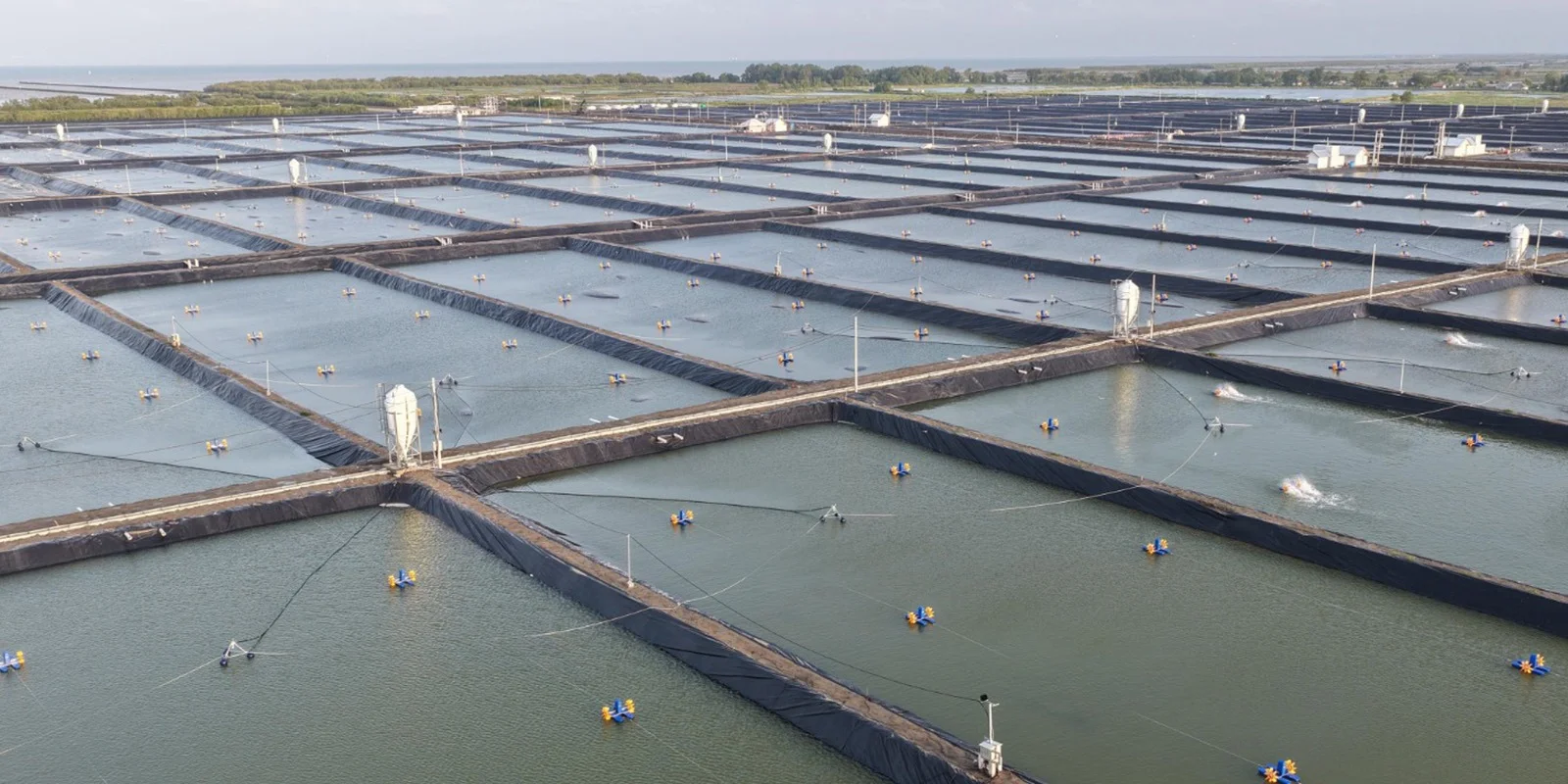
RRI.CO.ID, Jakarta - Indonesia plans to expand its thematic fish farming program from 100 pilot locations in 2025 to 2,000 locations in 2026, before eventually reaching 40,000 locations. The Ministry of Marine Affairs and Fisheries said in an online webinar on “Food Product Diversification and Innovation” that the initiative is intended to increase aquaculture productivity, develop a more efficient upstream industry and create employment.
“In 2025, we started with 100 pilot models in Java. In 2026, the update is that there will be 2,000 locations, and eventually 40,000,” the ministry’s Director of Processing at the Directorate General for Strengthening the Competitiveness of Marine and Fisheries Products, Budi Yuwono, said on Monday, August 31, 2026.
The program forms part of Indonesia’s national priority programs in the marine and fisheries sector through 2029. According to him, the government’s broader priorities include the development of thematic fish farming, fisheries vessel modernization, pond revitalization and the development of a national salt industry.
On the same occasion, Yuwono stated the expansion will also use recirculating aquaculture system, or RAS, technology. Each production point can produce up to 10 tons per cycle, a scale that the government said needs to be matched by sufficient market demand when production reaches harvest.
“In 2026, this project involves the development of thematic aquaculture using RAS technology, where a single site can produce up to 10 metric tons per cycle,” he explained. Yuwono stated the ministry’s plan to increase aquaculture productivity, create an efficient upstream industry, and open up more employment.
The government therefore plans to link the aquaculture expansion with fish processing and wider markets, including the free nutritious meals program. The ministry says processing can help absorb production while increasing the value of fish products and creating additional economic opportunities.
“This is certainly a large amount, and this is what we need to manage, because this harvest may need to be followed by market absorption,” he continued, pointing to the challenge of ensuring that increased production is absorbed by the market.
News Recomendation
Loading latest news.....