



Agricultural Sector Strengthens as Indonesia Pursues Rice Exports
- 26 Agt 2026 23:41 WIB
- Voice of Indonesia
Key Points
- Indonesia aims to expand rice export destinations to Timor‑Leste, the Philippines, and Papua New Guinea.
- The government is supplying rice through a national food assistance program, which currently serves 33.4 million beneficiaries.
RRI.CO.ID, Bandar Lampung - Indonesia’s agricultural sector is increasingly capable of meeting both domestic and international food needs, with the government targeting expanded rice export destinations by 2026.
“This year, we are targeting several countries as rice export destinations, such as Timor-Leste, the Philippines, and Papua New Guinea,” Agriculture Minister Andi Amran Sulaiman said in Central Lampung on Wednesday, August 26, 2026, as quoted by Antara.
He noted that Indonesia had already exported 1,000 tons of rice to Malaysia this year. The shipment volume may increase due to Malaysia’s high demand.
“The recent export to Malaysia totaled 1,000 tons. Because demand is high, there is potential for this to increase by another 200,000 tons, as Malaysia’s total requirement is around 1 million tons per year,” he said.
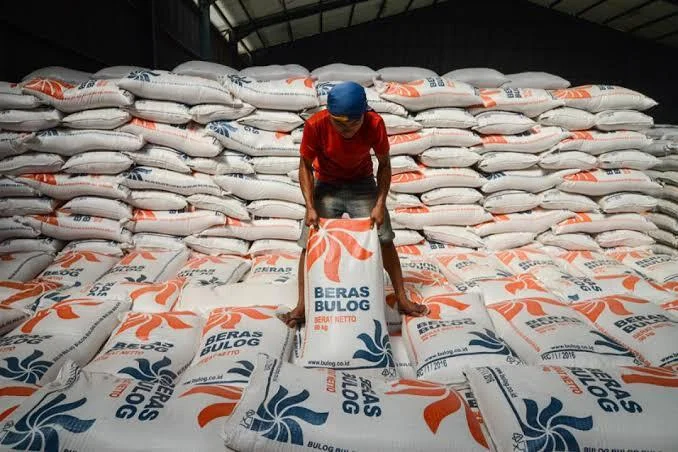
The government is also opening export opportunities to other countries, including Palestine and Saudi Arabia. This expansion is supported by national rice stocks, which have reportedly reached a record high.
“Exports will also go to Palestine and Saudi Arabia. Our rice stocks are at an all-time high of 5.2 million tons; we have even rented warehouses with a capacity of 2 million tons because our existing warehouse capacity is only 3 million tons,” Minister Amran said.
He added that the government continues to distribute rice to communities through a food assistance program as stock levels rise. The program currently serves 33.4 million beneficiaries nationwide.
Minister Amran said the current situation reflects the growing capacity of Indonesia’s agricultural sector. The country can meet its own needs and is beginning to export more domestically produced rice.
“We should be grateful that we are not only self-sufficient, but also able to export rice. This is the result of a collective effort by all parties, from farmers to relevant stakeholders,” he said. ***
News Recomendation
Loading latest news.....