



House of Representative Considers Special Agency to Combat Human Trafficking
- 20 Agt 2026 23:12 WIB
- Voice of Indonesia
Key Points
- The House's Commission XIII is considering a body to address human trafficking (TPPO), a law in need of reinforcement to combat criminal methods.
- Addressing human trafficking requires strengthened interagency coordination and cross-border cooperation, whether it be bilateral, multilateral, or within the ASEAN region.
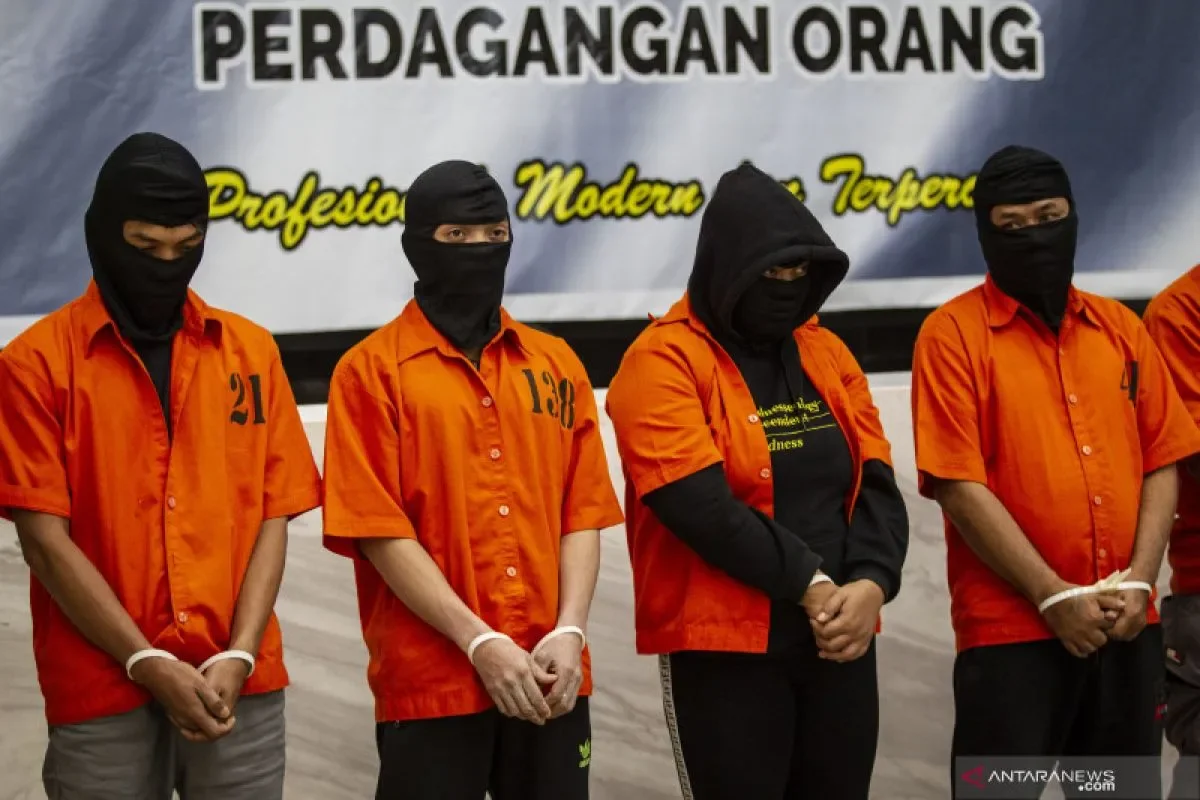
RRI.CO.ID, Jakarta - The House of Representatives' Commission XIII is considering establishing a dedicated body to address human trafficking (TPPO). The idea will be examined during the revision of Law Number 21 of 2007 on the Eradication of Human Trafficking. This law is considered to be in need of strengthening in order to address evolving criminal methods.
Speaker of Commission XIII, Willy Aditya, stated that establishing a special body is one of the options to be discussed during the revision process.He views human trafficking as an "extraordinary crime" requiring stronger institutional frameworks and coordination.
"Almost all extraordinary crimes have dedicated bodies to handle them. Therefore, we will see the direction this revision takes, whether an agency-level body is required," Willy said in a statement received in Jakarta on Thursday, August 20, 2026.
Willy believes the need for a specialized agency is growing as human trafficking methods evolve, particularly with the rise of digitalization. The crime is not just the exploitation of migrant workers; it also includes online fraud, sexual exploitation, and organ trafficking by international networks.
He noted that the state faces well-organized human trafficking syndicates and that victims remain isolated and vulnerable. This means that handling human trafficking cannot be done in a piecemeal fashion.
"There is an opportunity to create such a body. I think it is a very real possibility, given that the 'extraordinary crime' classification often points in that direction," he said.
Willy added that addressing human trafficking requires strengthened interagency coordination and cross-border cooperation, whether it be bilateral, multilateral, or within the ASEAN region.
"Indonesia has long been known as a regional leader. We must take the initiative on this," he said.
Deputy Speaker of the People's Consultative Assembly (MPR RI) Lestari Moerdijat also supports the revision of Law Number 21 of 2007. She believes that updating the regulations is necessary to strengthen protections for Indonesian migrant workers and to improve the governance of prevention and response efforts regarding human trafficking.
Lestari says the law doesn't keep up with changing crime patterns. Human trafficking is now a transnational crime that uses digital technology and corporate structures. The International Organization for Migration (IOM) reported 2,908 victims of human trafficking in Indonesia, mostly women and children.
“The Human Trafficking Law still focuses on post-incident criminal measures and has yet to address the sociocultural root causes. Yet, the current human trafficking ecosystem is driven by transnational corporations,” said Lestari.
Therefore, she believes the revision of the Human Trafficking Law must strengthen prevention and victim protection over enforcement after a crime has occurred. Oversight of migrant worker management also needs to be bolstered.
Eradicating human trafficking ultimately requires a collaborative effort, as the crime involves numerous parties and levels of authority—ranging from village and local administrations levels to immigration authorities, the police, and other stakeholders.
“This must be tackled through a collective movement involving every citizen, supported by a robust Human Trafficking Law as a tool to combat the persistent crime of human trafficking,” she said. ***
News Recomendation
Loading latest news.....