



Legal Reforms Proposed to Eradicate Human Trafficking in Indonesia
- 30 Jul 2026 21:12 WIB
- Voice of Indonesia
Key Points
- Deputy Speaker Lestari Moerdijat is urging stronger laws against human trafficking, including heavier sanctions and victim‑centered protection.
- IOM assisted 3,500 victims of forced labor trafficking in Southeast Asia between 2022 and 2025, mostly from Indonesia, India, and Sri Lanka.
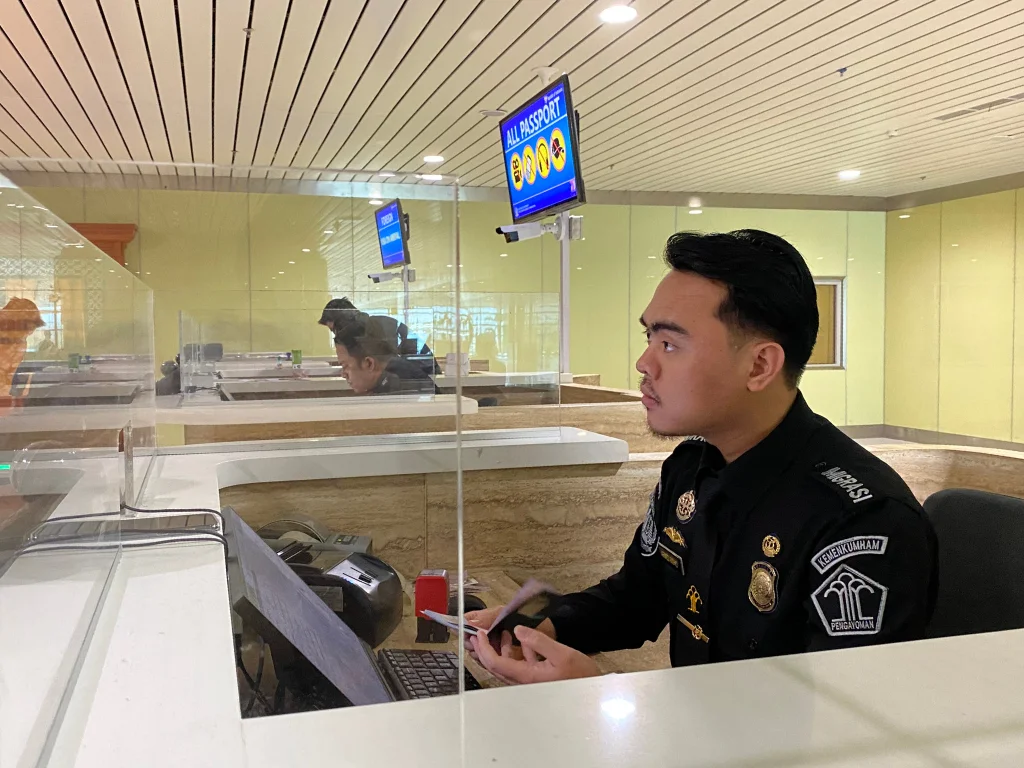
RRI.CO.ID, Jakarta - In commemoration of World Anti‑Trafficking in Persons Day on July 30, Deputy Speaker of the People’s Consultative Assembly (MPR RI) Lestari Moerdijat called for stronger legal measures to eradicate human trafficking (TPPO).
She stressed that Indonesia must revise Law No. 21/2007 on the Eradication of Human Trafficking to anticipate evolving digital‑era methods, increase sanctions for perpetrators, and place victim protection at the center of policy.
“Human trafficking is a betrayal of the constitution and of humanity, so the state must be more proactive in preventing it,” she said on Thursday, July 30, 2026, as quoted on the official MPR RI website.
Lestari, familiarly known as Rerie, described trafficking as an extraordinary crime that is transnational, technology‑driven, and linked to money laundering, narcotics, cybercrime, sexual exploitation, and forced labor. She warned that new modes of exploitation, such as online scam recruitment, are increasingly difficult to detect.
Data from the Directorate General of Immigration shows that even highly educated individuals, including bachelor’s and postgraduate graduates in information technology, have been lured through social media job offers abroad.
The International Organization for Migration (IOM) reported assisting more than 3,500 victims of forced labor trafficking in Southeast Asia between 2022 and 2025, with the largest numbers from Indonesia, India, and Sri Lanka.
Rerie emphasized that Indonesia must not simply react after victims fall prey. Revising Law No. 21/2007 is a strategic step to strengthen legal instruments against new forms of exploitation.
She urged lawmakers to broaden the definition of trafficking to include scam centers, digital exploitation, social media recruitment, and misuse of artificial intelligence.
Rerie also called for heavier criminal sanctions against trafficking syndicates and stronger accountability for digital platforms to close recruiter accounts. Under the current law, perpetrators face prison terms of 3–15 years and fines up to IDR 600 million (around USD 33,000). She argued that penalties must be increased to reflect the severity of the crime.
“Victim protection and recovery must be the core of anti‑trafficking policy. Strengthening coordination among ministries, local administrations, law enforcement agencies, and Indonesian embassies abroad is essential,” Rerie said. ***
News Recomendation
Loading latest news.....