



Indonesia’s Blue Economy Policy Targets Sustainable Growth
- 26 Jul 2026 17:03 WIB
- Voice of Indonesia
Key Points
- The blue economy is the Marine Affairs and Fisheries Ministry’s primary strategy, combining ecosystem protection, fisheries productivity, and stronger coastal communities.
- Its success is measured by increased production while balancing economic gains with environmental sustainability.
RRI.CO.ID, Denpasar - The blue economy policy is the Ministry of Marine Affairs and Fisheries’ primary strategy for managing marine resources.
It integrates ecosystem protection, increased fisheries productivity, and improved welfare for coastal communities, while encouraging sustainable marine use for long-term economic benefits.
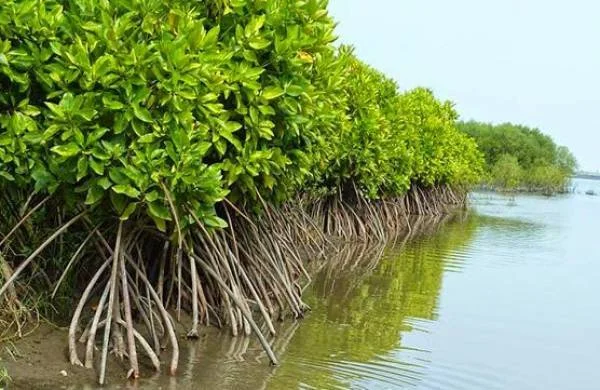
Marine Affairs and Fisheries Minister Sakti Wahyu Trenggono emphasized that the blue economy not only utilizes marine resources but also ensures the sustainability of coastal ecosystems through mangrove rehabilitation and management.
“Mangroves play a strategic role in supporting the blue economy policy because they provide coastal protection, serve as habitats for marine life, absorb blue carbon, and support the livelihoods of coastal communities,” Minister Trenggono said at the World Mangrove Day commemoration in Denpasar on Sunday, July 26, 2026, as quoted by Antara.
Indonesia plays a crucial role in global fisheries as its growing population requires more food and protein. However, this potential must be balanced with efforts to protect marine and coastal ecosystems.
Over the past three decades, Indonesia has lost about 40 percent of its mangrove area, at a rate of 52,000 hectares per year. In addition, 19.2 percent of the nation’s mangroves are in critical condition.
“Mangrove rehabilitation should not stop at planting activities alone. It must be based on ecological suitability to ensure the restoration of ecosystem function,” Minister Trenggono said.
The ministry is developing the blue economy policy through five main aspects: expanding marine conservation areas to a target of 97.5 million hectares by 2045, implementing quota-based and measured fishing, developing sustainable aquaculture, strengthening coastal and small island management, and reducing marine plastic waste through community participation.
The ministry has also set six priority programs for 2025–2029, including revitalizing ponds on Java’s northern coast by integrating mangrove restoration with fishery cultivation.
The program is projected to produce around 800,000 tons annually, with an economic value of up to IDR 20 trillion, and create about 83,000 jobs.
Minister Trenggono said the success of the blue economy policy will be measured by increased production while maintaining a balance between economic benefits and environmental sustainability.
He added that sustainable marine management requires collaboration among all stakeholders through integrated policies, scientific research, community empowerment, and strengthened funding, monitoring, and education.
Concluding his remarks at World Mangrove Day 2026, Trenggono called on all parties to strengthen their commitment to implementing the blue economy policy to achieve resilient coasts, productive oceans, and the well-being of coastal communities. ***
News Recomendation
Loading latest news.....