



BRIN Promotes Utilization of Biodiversity to Enhance Independency
- 23 Jul 2026 16:17 WIB
- Voice of Indonesia
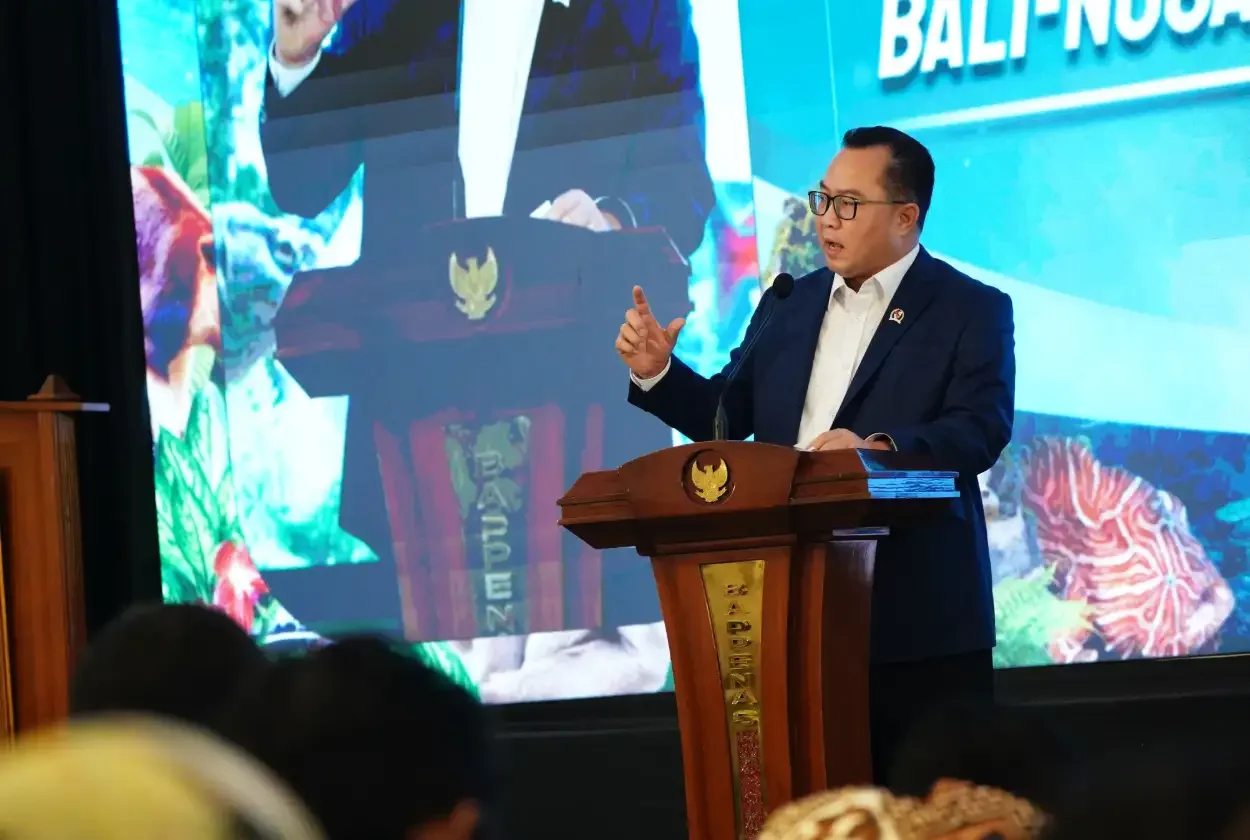
RRI.CO.ID, Jakarta - The National Research and Innovation Agency (BRIN) is promoting the utilization of Indonesia's biodiversity through research and innovation to support food, health, and energy independence, as well as biomaterial development. These efforts require a strong scientific database and information as a foundation for evidence-based policymaking.
The National Research and Innovation Agency (BRIN) Head, Arif Satria, made the statement at the launch of four Indonesian Biodiversity Status Documents for the Bali-Nusa Tenggara, Java, Maluku, and Papua regions in Jakarta. According to a BRIN press release on Wednesday, July 22, 2026, the documents were developed through a collaboration between the Ministry of National Development Planning/Bappenas, the Ministry of Environment, the Ministry of Maritime Affairs and Fisheries, the Ministry of Agriculture, the Ministry of Forestry, BRIN, GIZ Indonesia through the International Climate Initiative (IKI), and the KEHATI Foundation.
Arif stated that BRIN, as a research authority, has a role in generating knowledge that can serve as the basis for policy formulation in various sectors dependent on biological resources. "BRIN is tasked with knowledge creation, namely how we conduct research that impacts environmental policy, maritime and fisheries policy, economic policy, forestry, and various sectors dependent on biological resources," he said.
According to him, biodiversity research does not stop at the discovery of new species, but must also be able to address various development challenges. Therefore, research results need to be directed towards producing solutions that provide added value to society and the economy.
He stated that throughout 2025, BRIN successfully identified and described approximately 49 new species, and in the first semester of 2026, BRIN identified and described another 38 new species and recorded 87 new records. This number is expected to continue to grow as biodiversity research activities and expeditions increase.
Arif conveyed that Indonesia's rich biodiversity holds great potential to support food security, health, energy, and biomaterial-based industries. In the health sector, for example, Indonesia has approximately 31,000 species of medicinal plants, but only about 20 species have been developed into phytopharmaceuticals.
To support this research development, BRIN continues to strengthen its research infrastructure, including biomolecular identification and Cryo-Electron Microscopy (Cryo-EM) facilities. Arif encouraged researchers, universities, and industry players to utilize these facilities to accelerate innovation based on Indonesia's biodiversity.
News Recomendation
Loading latest news.....