



House Calls for Policy Alignment on Tobacco Regulation
- 22 Jul 2026 18:18 WIB
- Voice of Indonesia
Key Points
- Lawmakers warn nicotine and tar limits could harm farmers and threaten local premium varieties such as srintil.
- Tobacco industry contributes IDR 200 trillion in annual state revenue, underscoring its economic importance.
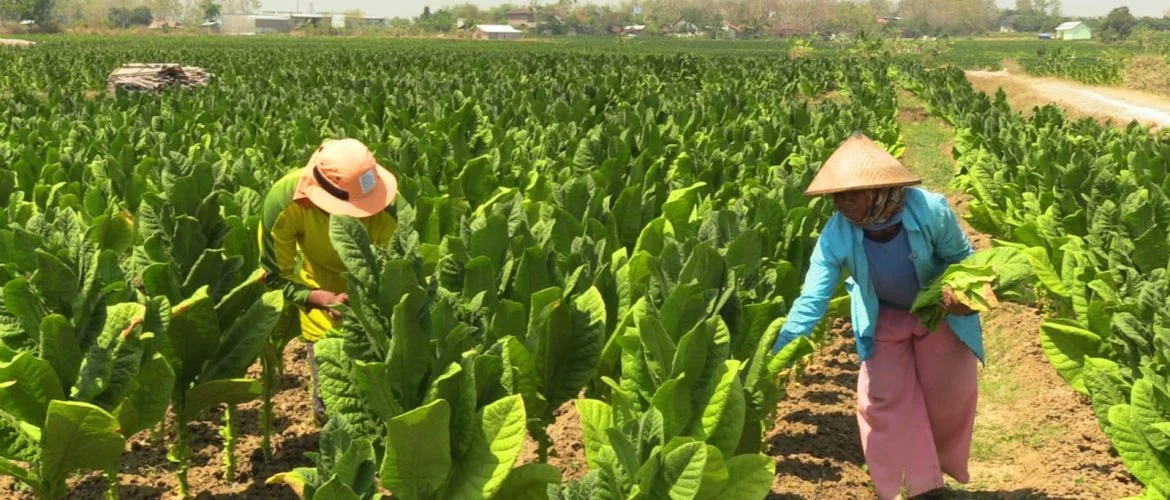
RRI.CO.ID, Jakarta - The Indonesian House of Representatives has urged the government to synchronize inter‑ministerial policies in drafting derivative regulations for Government Regulation (PP) No. 28/2024, to safeguard the sustainability of the tobacco industry and protect farmers’ welfare.
House Commission IV lawmaker Firman Soebagyo said cross‑ministerial policies on tobacco remain unaligned and driven by sectoral egos. He stressed that regulations must consider their impact on the entire industrial chain.
“The state must be present. We must not allow tobacco farmers and communities to be exploited, while policies from the Health Ministry and the Coordinating Ministry for Human Development and Culture fail to protect them,” Firman said in Jakarta on Wednesday, July 1, 2026, as quoted by Antara.
Firman highlighted the need for policy synchrony, particularly in deliberations on draft provisions on nicotine and tar. He warned that the proposed limits are difficult to meet and could harm farmers and local tobacco varieties such as srintil, a premium type grown on the slopes of Mount Sumbing, Mount Sindoro, and Mount Perahu.
Commission IV Deputy Speaker Panggah Susanto also urged the government to ensure the sustainability of the national tobacco sector. He cautioned that poorly considered regulations could reduce absorption of local tobacco, lower state revenues, and affect employment.
Panggah emphasized that the tobacco industry is a pillar of the national economy, contributing more than IDR 200 trillion (approx. USD 11.17 billion) annually in excise taxes (CHT) and providing jobs for around 6 million people, including those in distribution and supporting businesses.
He said the government must strike a balance between protecting public health and ensuring industry sustainability through coordinated policies that serve the national interest. ***
News Recomendation
Loading latest news.....