



Govt to Roll Out B50 Biodiesel for Energy Independence
- 29 Jun 2026 22:06 WIB
- Voice of Indonesia
Key Points
- Indonesia will implement a 50 percent biodiesel blend (B50) starting July 1, 2026, to strengthen national energy security and reduce dependence on fossil fuel imports.
- Data shows the 2015–2025 biodiesel program saved IDR 722.9 trillion in foreign exchange and cut greenhouse gas emissions by 228.41 million tons of CO₂.
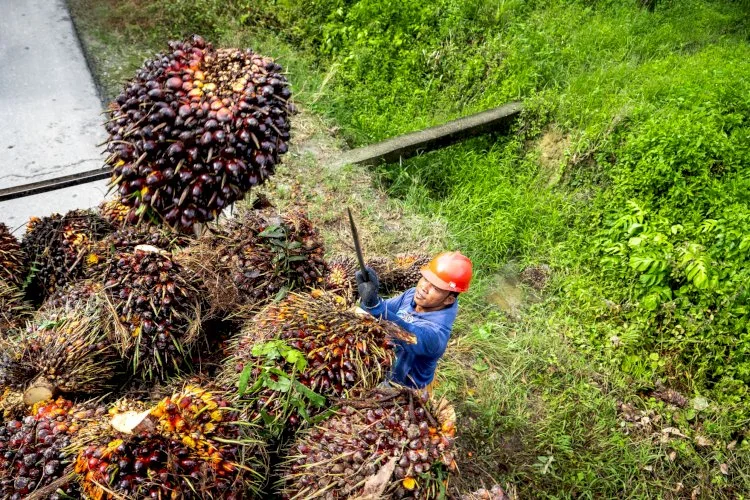
RRI.CO.ID, Jakarta - The government will begin implementing a 50 percent biodiesel blend (B50) on July 1, 2026, to strengthen national energy security and reduce Indonesia’s dependence on fossil fuel imports. The policy is also expected to boost domestic palm oil usage, adding value for the industry and smallholders.
President Director of the Plantation Fund Management Agency (BPDP), Eddy Abdurrachman, said the Mandatory B50 Program continues the decade-long biodiesel initiative and forms part of the government’s strategy to achieve energy independence based on domestic resources.
“The biodiesel program has become a strategic instrument in strengthening national energy security while creating a strong domestic market for Indonesian palm oil products,” Eddy said in Jakarta on Monday, June 29, 2026, as quoted by Antara.
According to him, raising the biodiesel blend from B40 to B50 will further reduce diesel imports. In addition to saving foreign exchange, the policy promotes renewable energy, which is more environmentally friendly than fossil fuels.
He explained that the biodiesel program not only reduces diesel imports and greenhouse gas emissions but also strengthens the national palm oil industry by increasing domestic absorption and improving smallholder welfare.
Data from the Ministry of Energy and Mineral Resources (ESDM) shows that the 2015–2025 biodiesel program saved IDR 722.9 trillion in foreign exchange, added IDR 114.7 trillion in value through biodiesel processing, supported 10.9 million jobs in the palm oil sector, and cut greenhouse gas emissions by 228.41 million tons of CO₂.
“These achievements demonstrate that the biodiesel program is not only an instrument for national energy security but also a driver of economic growth, downstream palm oil industry development, and job creation,” Eddy said.
He added that implementing B50 reflects synergy between national energy policy and the development of a productive, sustainable palm oil industry. It also shows the government’s commitment to increasing the share of new and renewable energy derived from domestic resources.
Eddy noted that B50 implementation is supported by strengthening the smallholder oil palm replanting (PSR) program, improving human resource capacity, supporting research and development, and providing plantation facilities and infrastructure. These measures aim to secure raw material supply and enhance industry productivity and competitiveness.
The BPDP will continue to support the biodiesel program through accountable and sustainable fund management. Looking ahead, the agency is prepared to back the development of new renewable energy sources based on palm oil to bolster national energy security and reduce reliance on imported fossil fuels. ***
News Recomendation
Loading latest news.....