



Indonesian Parliament Urges Budget Review Amid Currency and Cost Pressures
- 12 Jun 2026 16:42 WIB
- Voice of Indonesia
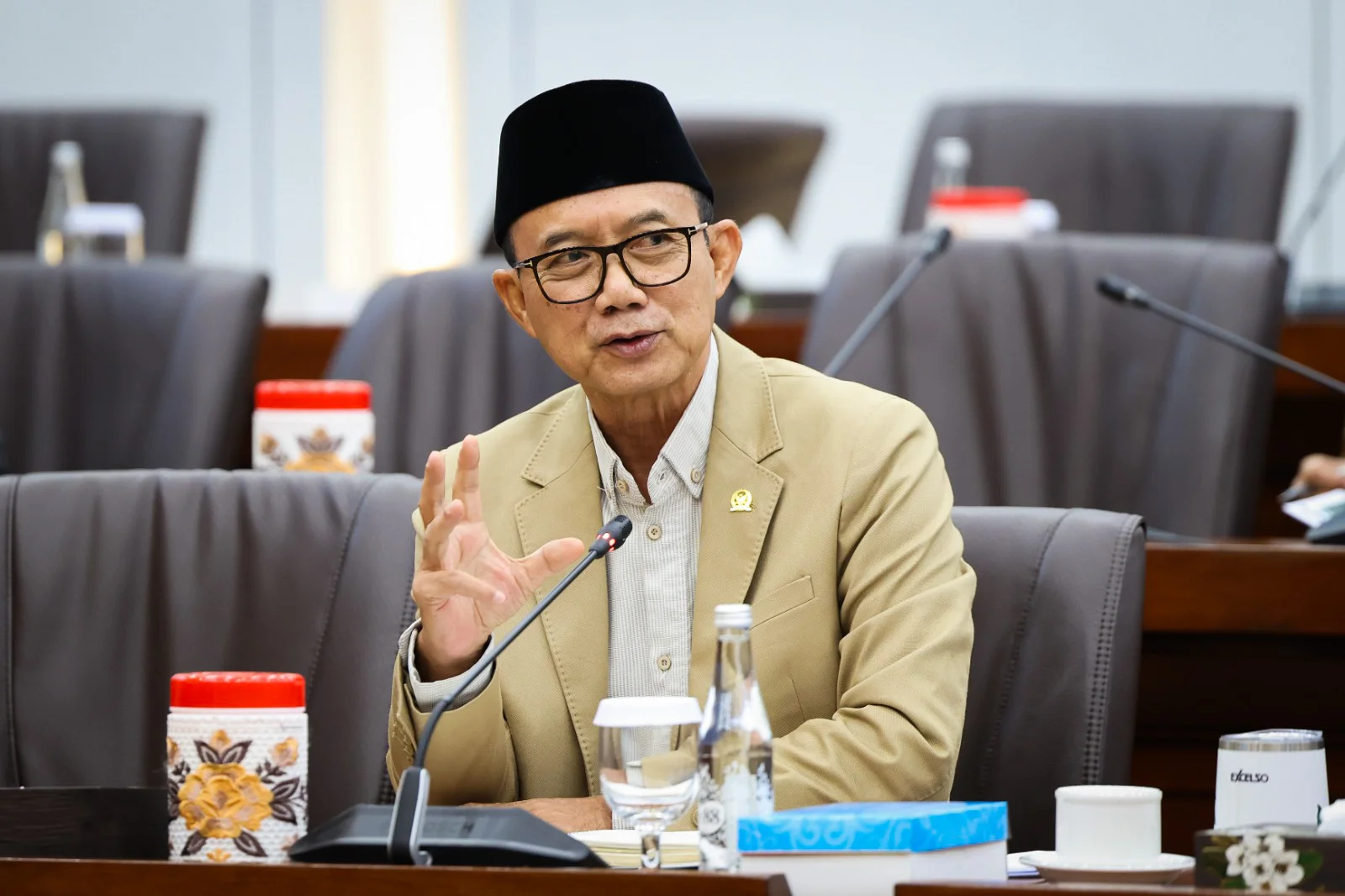
RRI.CO.ID, Jakarta - An Indonesian lawmaker has called on the government to reassess its spending priorities as the country faces mounting economic pressures from a weakening rupiah and rising fuel costs. The appeal comes amid concerns that declining purchasing power could weigh on household consumption and small business activity.
A member of the House of Representatives’ Commission VI,Budi S. Kanang, in Jakarta, Thursday, June 11, 2026, said limited fiscal resources should be directed toward protecting consumers and supporting small and medium-sized enterprises (SMEs) affected by higher production costs. He argued that government spending priorities need to be reviewed to ensure they remain aligned with current economic challenges.
“Spending priorities within the state budget must be reviewed. Whether it is the Free Nutritious Meals program, the Red and White Cooperatives initiative, or the People's School program, we need to evaluate them,” Budi told reporters at the parliamentary complex in Jakarta on Thursday.
According to him, the government must balance the implementation of flagship programs with measures aimed at sustaining household purchasing power. He said policymakers should consider whether existing budget allocations adequately address the economic pressures faced by consumers and small businesses.
The legislator highlighted the difficulties facing SMEs that rely heavily on imported raw materials. Producers of tempeh, one of Indonesia’s staple foods, have been particularly affected because soybean imports become more expensive when the rupiah weakens against the U.S. dollar.
“Raw materials for tempeh production are almost entirely imported. A stronger dollar and rising non-subsidized fuel prices will place an even heavier burden on producers,” he said.
Budi noted that around 70 percent of Indonesia’s imports consist of industrial raw materials, meaning exchange-rate fluctuations can directly increase domestic production costs. Higher costs, he warned, could eventually be passed on to consumers through higher prices.
He urged the government to refine its budget priorities and introduce targeted support measures for SMEs and vulnerable households. “The most important thing now is ensuring that people maintain their purchasing power and that SMEs can survive. That is the foundation of our economy,” Budi said.
News Recomendation
Loading latest news.....