



Indonesia Speeds up Alternative Energy Development
- 12 Jun 2026 10:45 WIB
- Voice of Indonesia
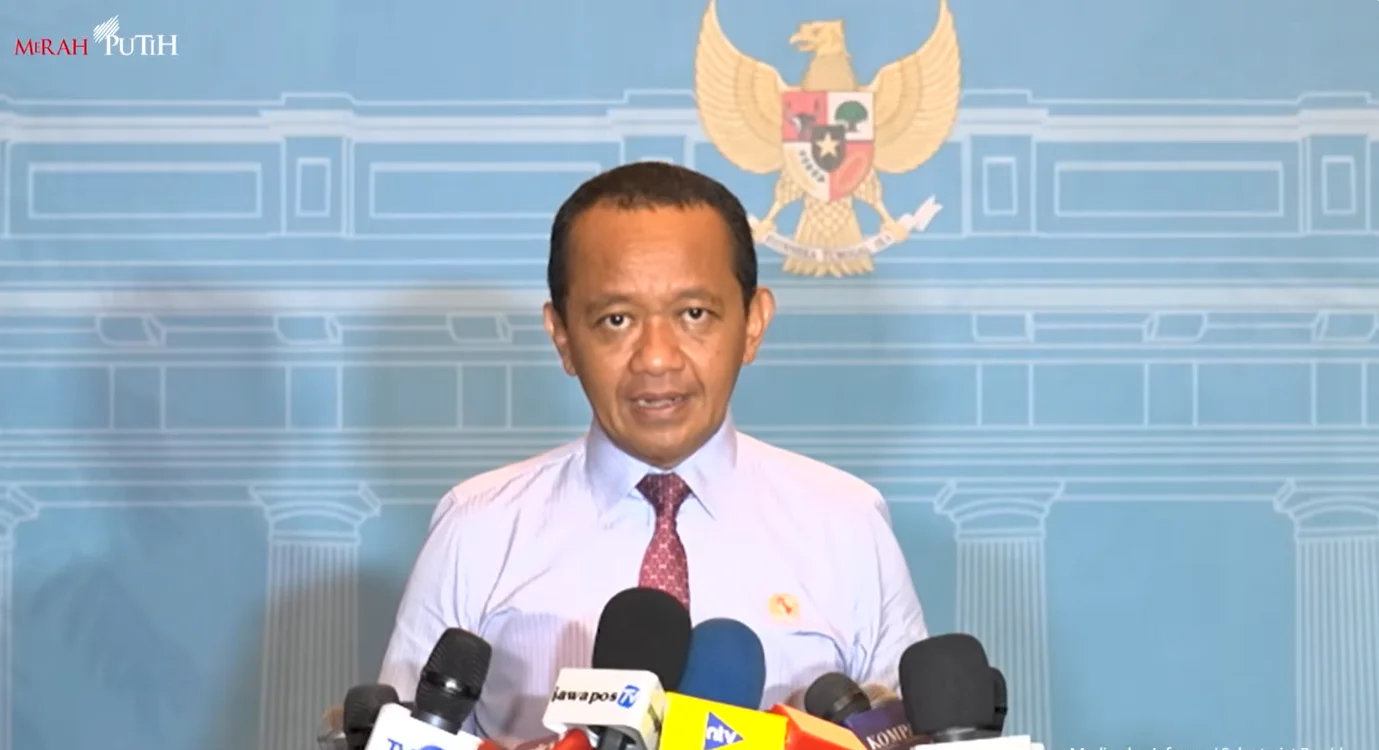
RRI.CO.ID, Jakarta - Indonesian President Prabowo Subianto, has instructed the government to accelerate the development of alternative energy sources as part of efforts to strengthen the country’s energy security. The directive was delivered during a meeting with Energy and Mineral Resources Minister, Bahlil Lahadalia at the Merdeka Palace in Jakarta on Thursday, June 12, 2026.
Minister Bahlil said the discussion focused on Indonesia’s energy sector and downstream industrial development amid ongoing geopolitical uncertainties around the world. According to him, the government is seeking ways to reduce vulnerability to external shocks that could affect energy supplies.
He noted that President Prabowo emphasized the importance of diversifying energy sources to support long-term energy resilience. “The President has instructed us to immediately seek alternative energy sources,” Bahlil said after the meeting.
One of the government’s immediate priorities is accelerating the transition from Liquefied Petroleum Gas (LPG) to Compressed Natural Gas (CNG). “In particular, our current focus is on accelerating the transition from LPG to CNG,” he stated.
The minister added that improving data collection and governance in the mining sector is also part of the government’s agenda. “The second priority is mining data collection,” he said, referring to efforts to strengthen oversight and resource management.
In addition, the government is reviewing the readiness of the national energy system, including electricity generation and fuel availability. “The third is ensuring readiness in the energy sector, both in PLN and in terms of our fuel supply availability,” the Minister said.
The meeting also addressed measures to protect consumers from the impact of global economic pressures. He reaffirmed that the prices of subsidized fuel and subsidized LPG would remain unchanged to help maintain household purchasing power.
Indonesia, Southeast Asia’s largest economy, continues to balance energy security, affordability, and economic growth as global uncertainties persist. The government says maintaining stable energy supplies for both households and industries remains a key priority in supporting national development.
News Recomendation
Loading latest news.....