



Indonesia Increases UNESCO Role Through Cultural Diplomacy Reform
- 10 Jun 2026 16:25 WIB
- Voice of Indonesia
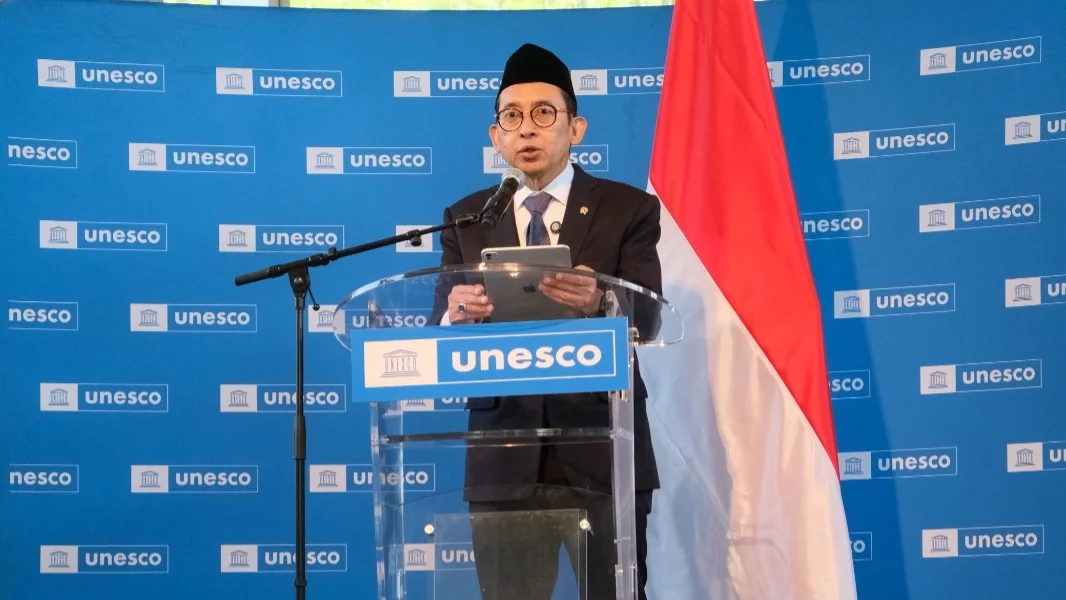
RRI.CO.ID, Jakarta - Indonesia has taken a significant step to strengthen its role in global cultural diplomacy through a new presidential regulation restructuring the Indonesian National Commission for UNESCO (KNIU). The move places the Minister of Culture at the center of Indonesia’s engagement with UNESCO and international cultural cooperation.
Based on the release received by RRI Voice of Indonesia in Jakarta, Tuesday, 9 June 2026. President Prabowo Subianto signed Presidential Regulation No. 31 of 2026 on the Indonesian National Commission for UNESCO, which was officially enacted on May 13, 2026. The regulation establishes a new governance framework for coordinating policies in education, science, culture, communication, and information.
Under the new structure, KNIU is designated as a national body that reports directly to the President. The commission will be coordinated by the Coordinating Ministry for Human Development and Culture, while the Ministry of Culture will serve as its chairperson.
The commission’s membership includes the ministers responsible for foreign affairs, primary and secondary education, higher education and science, communication and information, as well as the head of the National Research and Innovation Agency, or BRIN. The arrangement is aimed at improving coordination across sectors that contribute to UNESCO’s global agenda.
Administrative responsibilities for KNIU will now be handled by the Ministry of Culture through the unit responsible for cultural diplomacy, promotion, and international cooperation. The transition marks a shift in institutional leadership aimed at strengthening Indonesia’s cultural presence on the world stage.
Minister of Culture, Fadli Zon, praised the regulation, describing it as an important milestone in advancing Indonesia’s international engagement. He said culture serves as a strategic asset for the nation in building international partnerships and promoting Indonesia’s interests globally.
“Through integrated coordination, we want to ensure that Indonesia’s voice and contribution become increasingly influential in UNESCO’s agenda,” Fadli said. He added that the restructuring would help strengthen Indonesia's position within global discussions on culture, education, and knowledge sharing.
The Indonesian government expects the reform to enhance coordination, integration, and collaboration among ministries and agencies involved in UNESCO-related programs. Officials believe the new structure will allow Indonesia to pursue its national interests more effectively while expanding its contribution to international cultural and educational initiatives.
News Recomendation
Loading latest news.....