



Govt Designates WTE Facilities as Strategic Projects to Tackle Waste Crisis
- 10 Jun 2026 14:21 WIB
- Voice of Indonesia
Key Points
- The Indonesian government designated three waste‑to‑energy facilities in West Java and Bali as National Strategic Projects.
- The measure signals the government’s commitment to integrated solutions for tackling the waste crisis.
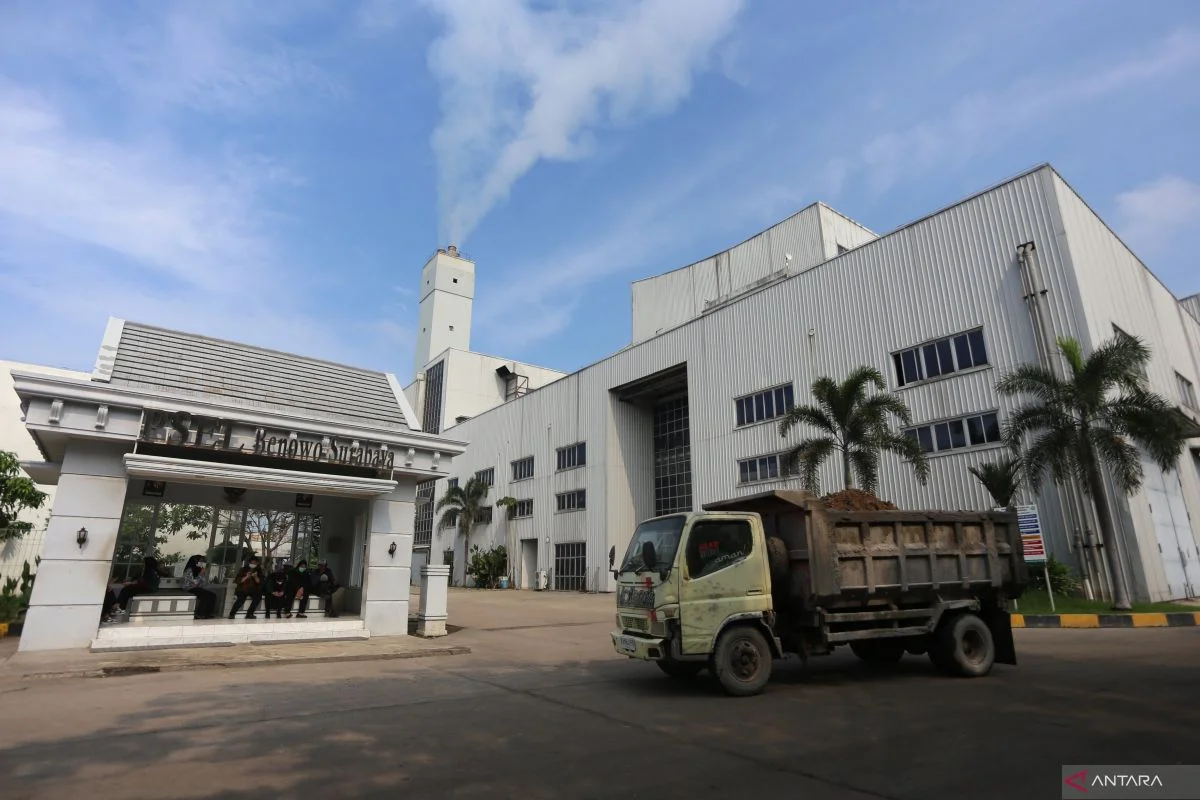
RRI.CO.ID, Jakarta - The Indonesian government is accelerating the transformation of national waste management by designating three waste‑to‑energy (WTE) facilities as National Strategic Projects (PSN). The move paves the way for a more integrated and sustainable WTE ecosystem.
PT Danantara Investment Management (DIM), together with its subsidiary PT Daya Energi Bersih Nusantara (Denera), welcomed the decision. The three projects in the first wave of PSN include WTE facilities in Bekasi and Greater Bogor in West Java, as well as in Greater Denpasar in Bali.
DIM Chief Executive Officer Pandu Sjahrir said the PSN designation sends a strong signal of government support for energy‑based waste management solutions. “This initiative encompasses improvements to the waste management system, reducing reliance on landfills, and optimizing the conversion of waste into energy,” Pandu said in a statement in Jakarta on Wednesday, June 10, 2026, as quoted by Antara.
The PSN designation is based on Regulation of the Coordinating Minister for Economic Affairs No. 16/2025, supported by Presidential Regulations No. 35/2018 and No. 109/2025.
PSN status is granted through a National Strategic Project Certificate issued by the Committee for Fast‑Tracking Priority Infrastructure (KPPIP). The certificates were handed over to the respective Project Development and Management Entities (BUPP) in the three project regions.
The projects that obtained PSN status are the Bekasi City WTE, managed by Bekasi Environment Nusantara; the Bogor Raya WTE, managed by Nusantara Bogor New Energy; and the Denpasar Raya WTE, managed by Nusantara Bali New Energy. These BUPPs were established following DIM’s partner selection process.
Denera CEO Fadli Rahman noted that WTE has now become part of the national strategic agenda. “For Denera, this status not only accelerates implementation in the three initial locations but also serves as a crucial foundation for developing WTE facilities in subsequent locations,” he said.
DIM and Denera view these three projects as the initial foundation for building a national WTE ecosystem. Through collaboration with the central government, local administrations, technology partners, and stakeholders, the projects are expected to deliver sustainable environmental, social, and economic benefits. ***
News Recomendation
Loading latest news.....