



Lawmaker Advocates Fast-Track Water Projects to Face El Niño Challenges
- 10 Jun 2026 00:28 WIB
- Voice of Indonesia
Key Points
- El Niño is projected to reach very strong levels by late 2026, threatening national food security.
- The House of Representatives is urging accelerated El Niño mitigation through water infrastructure development.
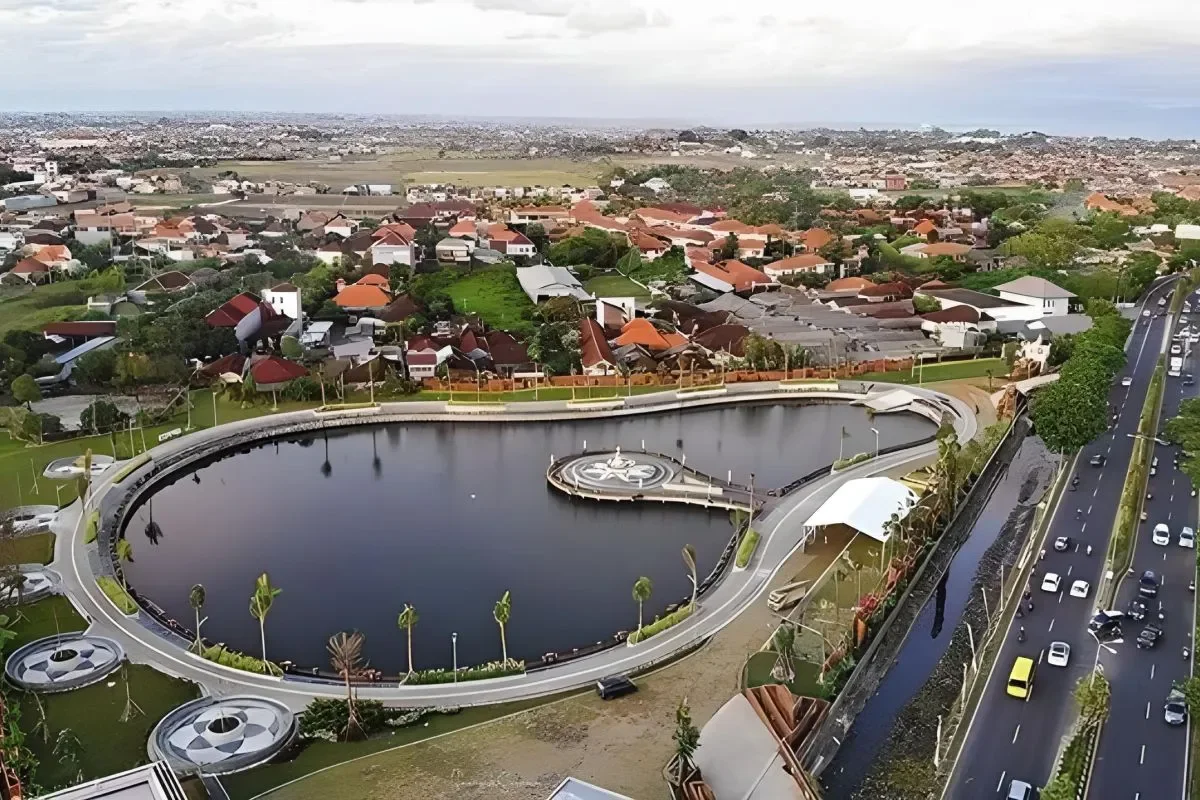
RRI.CO.ID, Jakarta - Anticipating drought from the potential strengthening of the El Niño phenomenon in 2026 requires immediate action to accelerate water infrastructure development. This is crucial for national food security and protecting farmers from crop failure.
Indonesia's House of Representatives (DPR RI) Commission IV lawmaker Daniel Johan stressed that the government and all stakeholders must take the El Niño warning seriously and prepare for drought impacts.
“The El Niño signal, which could reach strong to very strong levels in the second half of 2026, is not just a scientific warning. It is a real alarm for millions of farmers who depend on water for their livelihoods,” Daniel said in Jakarta on Tuesday, June 9, 2026, as quoted on the DPR RI website.
In response, Daniel urged concrete measures such as building village reservoirs, providing drilled wells in drought-prone agricultural centers, and adjusting cropping patterns based on forecasts from the Meteorology, Climatology, and Geophysics Agency (BMKG).
He emphasized that water reserves will be key to sustaining agricultural productivity during the El Niño–induced dry period. “Accelerate the construction of reservoirs at the village level with the support of deep wells, and adjust farming based on BMKG forecasts,” he said.
He also highlighted the need to anticipate pest attacks, which typically increase during the dry season. Water resource management, he added, must be integrated and based on climate cycles.
Daniel underlined the importance of storing rainwater in reservoirs as reserves during droughts. “Rainwater can be stored in reservoirs so that during El Niño it can be used to minimize drought,” he said.
He called on the government to develop a water management system using climate data and digital technology. Indonesia, he noted, already has forecasting capabilities and technology; what is needed is political will.
“We have the forecasts; we have the technology. What is needed is the political will to ensure rainwater is stored to irrigate rice fields during the driest months instead of flowing wasted into the sea,” said the PKB Faction politician.
Daniel recalled the 1997–1998 El Niño, which caused severe drought and crop failures, urging the government to take mitigation measures before the impacts of El Niño are felt. He stressed the importance of better coordination across ministries and agencies to ensure effective mitigation efforts that safeguard farmers and the food sector.
Previously, University of Maryland professor R. Dwi Susanto warned that observational data and climate models indicate El Niño could develop into a strong or very strong event from mid-2026 through the end of the year. One of the main impacts to monitor is the increased risk of drought and water crises in several regions of Indonesia.
Susanto explained that changes in Pacific Ocean conditions, including rising heat reserves beneath the sea surface, are key indicators of El Niño formation. Due to its location in the Western Pacific warm pool and the Indonesian Throughflow, Indonesia is strategically positioned to monitor the development of this phenomenon early. ***
News Recomendation
Loading latest news.....