



Indonesia’s Future of Palm Oil Exports after New Ministerial Regulation
- 10 Jun 2026 00:09 WIB
- Voice of Indonesia
Key Points
- The government has set a transition period until December 31, 2026, before the palm oil export scheme becomes fully effective on January 1, 2027.
- Minister of Trade Regulation No. 16/2026 maintains the main substance of palm oil export rules but strengthens the role of state-owned exporters.
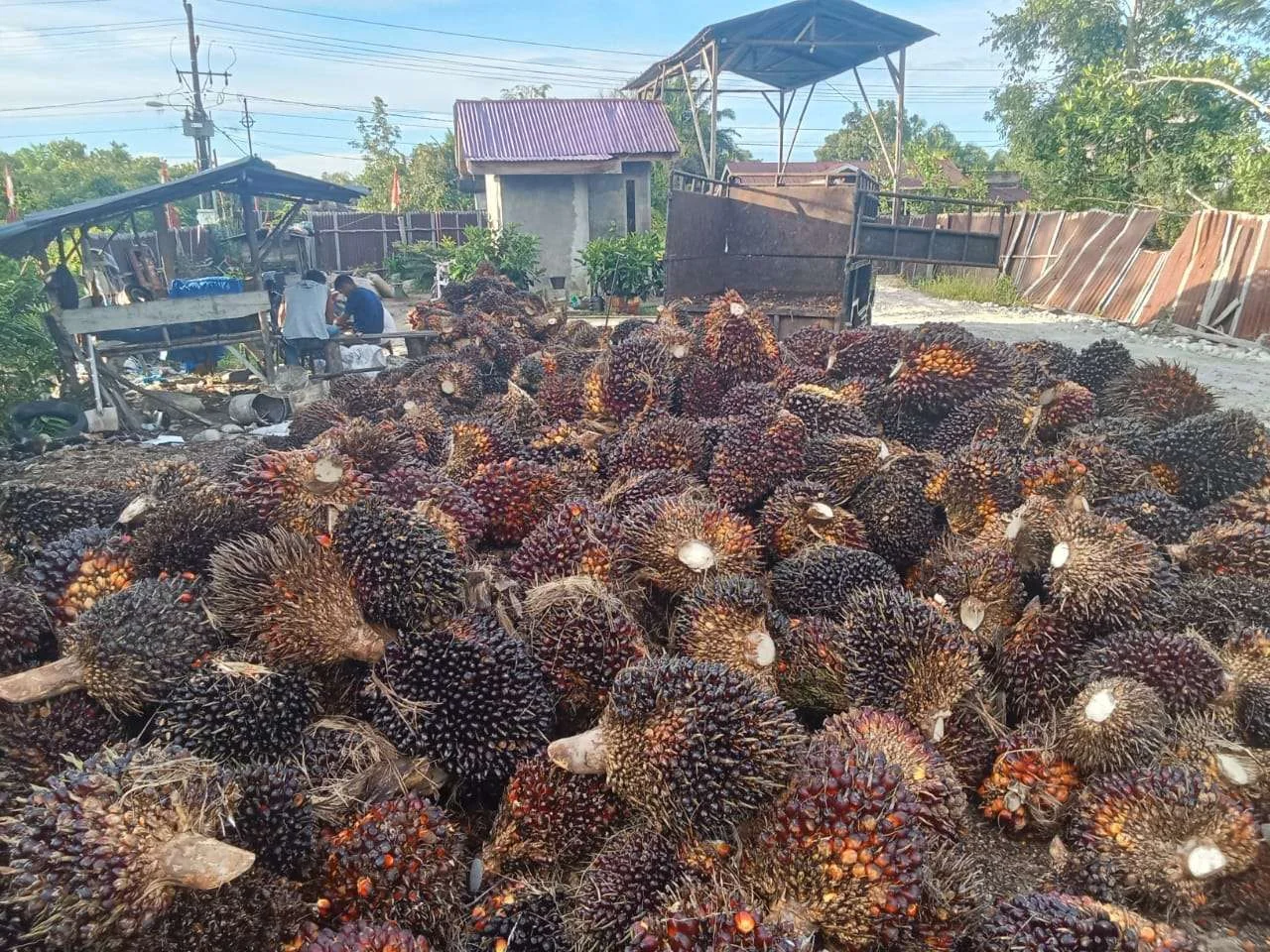
RRI.CO.ID, Jakarta - The Ministry of Trade has set a transition period until the end of 2026 to implement Minister of Trade Regulation No. 16/2026 on the Export Policy for Strategic Natural Resources.
Under the new regulation, the Indonesian government will begin preparing an export scheme for palm oil derivative products, which state-owned exporters will fully implement starting January 1, 2027.
Acting Director of Agricultural and Forestry Product Exports at the Directorate General of Foreign Trade, Bayu Wicaksono Putro, said the regulation essentially does not alter the main substance of the palm oil export policy previously stipulated in Permendag No. 26/2024.
“Structurally, there are not many changes to the articles. However, there are adjustments to several provisions, particularly those covering definitions, exports by state-owned exporters, and the transition period,” Bayu said during an online socialization of the regulation on Tuesday, June 9, 2026, as quoted by Antara.
One of the main adjustments is the strengthening of the role of state-owned exporters in managing palm oil derivative exports.
Beginning in 2027, exports of regulated commodities can only be carried out by state-owned exporters that have obtained Export Approval (PE). Export rights will be derived either by fulfilling Domestic Market Obligation (DMO) requirements or by transferring rights from business actors.
The government has granted a transition period from June 1 to December 31, 2026, during which exporters with PEs may continue their activities as usual. However, they must also submit electronic reports to the designated state-owned exporter. All permits issued during the transition period will remain valid until December 31, 2026.
During this period, companies will retain their status as exporters and fulfill all obligations, including submitting Export Notifications (PEB), reporting Export Proceeds (DHE), meeting Prohibitions and Restrictions (LARTAS) requirements, and paying export duties.
These activities will continue under the company’s name and be reported through an electronic system integrated with the Directorate General of Customs and Excise’s export services.
Despite introducing a new mechanism through state-owned exporters, the Ministry of Trade emphasized that the scope of regulated commodities remains unchanged. The regulation continues to cover five palm oil derivatives: crude palm oil (CPO), refined, bleached, and deodorized palm oil (RBDPO), refined, bleached, and deodorized palm olein (RBDPL), used cooking oil (UCO), and residue.
Minister of Trade Regulation No. 16/2026 replaces Regulation No. 26/2024. The government has ensured that the substance of the regulation remains the same, while businesses are expected to adapt before the scheme is fully implemented.
Furthermore, the government will evaluate the implementation of the new policy over the next three months under the coordination of the Coordinating Ministry for Economic Affairs to ensure the transition is effective and does not disrupt national export activities. ***
News Recomendation
Loading latest news.....