



Indonesia Positions Culture as a Strategic Foundation for Regional Development
- 05 Jun 2026 16:20 WIB
- Voice of Indonesia
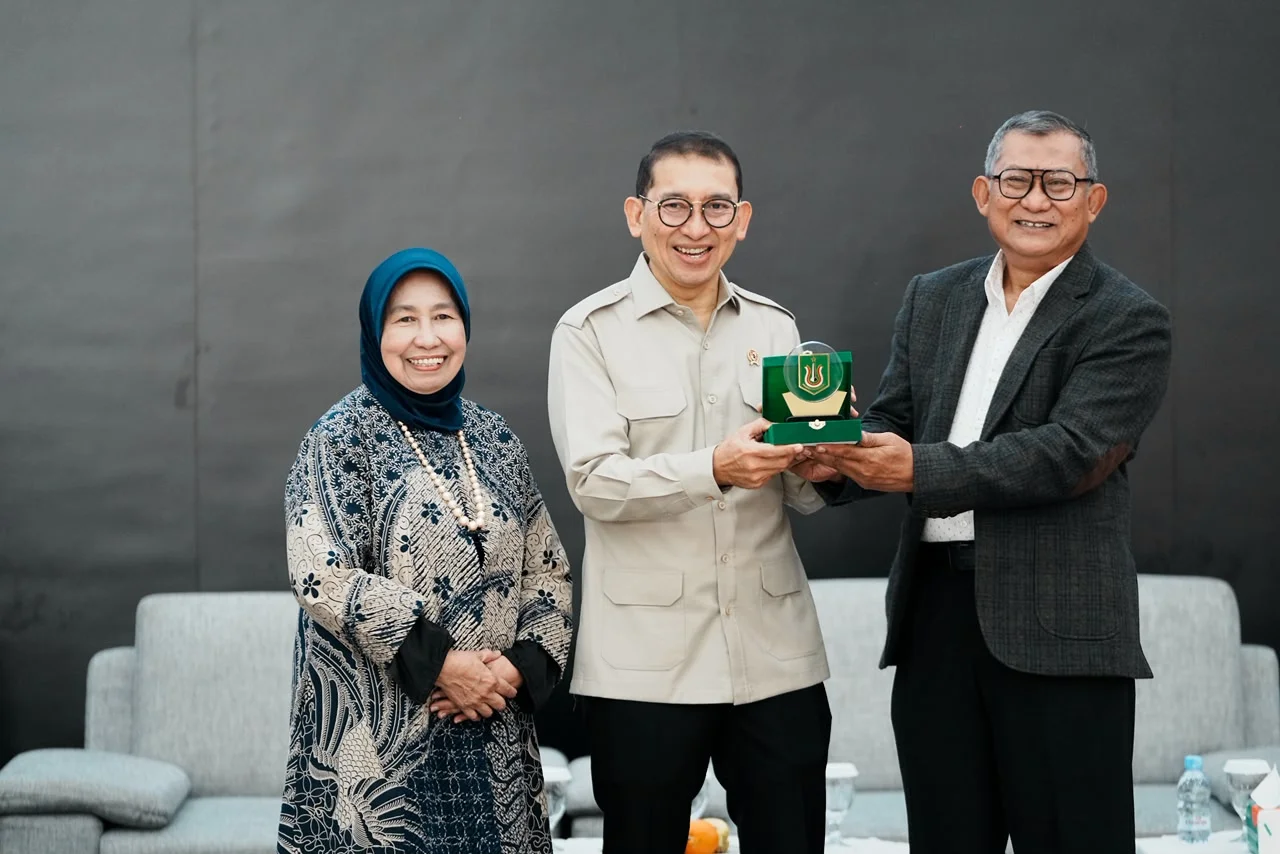
RRI.CO.ID, Jakarta - Indonesia’s Ministry of Culture has emphasized the strategic importance of building a strong cultural ecosystem as a foundation for meaningful and identity-driven regional autonomy. Minister of Culture, Fadli Zon, made the statemen during the National Seminar on Diversity and Cultural Ecosystems in Supporting Regional Autonomy at the National University in South Jakarta, Thursday, 4 June 2026.
Addressing academics and policymakers, Fadli Zon, argued that Indonesia’s vast cultural wealth should be positioned as a key driver of sustainable development. He also described Indonesia not merely as a nation-state, but as a civilizational state shaped by centuries of cultural interaction and diversity.
According to the minister, Indonesia holds a unique place in human civilization due to its extraordinary cultural and historical assets. The country is home to 1,340 ethnic groups, 718 regional languages, 2,727 elements of intangible cultural heritage, and 743 nationally recognized cultural heritage sites.
“Internationally, Indonesia is recognized through the inscription of 16 Intangible Cultural Heritage elements and six World Heritage sites by UNESCO. This is further strengthened by the fact that around 60 percent of the world’s Homo erectus fossil discoveries were found in the archipelago,” Fadli Zon said.
He added that cultural heritage plays a crucial role in shaping regional identity and strengthening social cohesion. In his view, local development strategies should be rooted in collective memory, historical experience, and the unique cultural landscapes of each region.
Fadli Zon warned that regional autonomy has often been viewed primarily through administrative and fiscal perspectives. He stressed that local governance must also provide space for the preservation, expression, and development of cultural identities that define communities.
To support this vision, the government has established five national cultural policy directions, including cultural governance reform, digital transformation, cultural economy development, heritage protection, and international cultural diplomacy. These policies are intended to position culture as an integral part of national development rather than a secondary concern.
Concluding his remarks, the minister called on regional governments, universities, and cultural institutions to strengthen local cultural ecosystems and embrace diversity as a strategic asset. He said Indonesia’s future can be built by preserving its cultural richness and integrating cultural values into public policy at every level of governance.
News Recomendation
Loading latest news.....