



Indonesia Boosts Weaving Industry, Fashion SMEs Aim for Exports
- 03 Jun 2026 19:43 WIB
- Voice of Indonesia
Key Points
- Ministry of Industry supports the domestic woven fabric industry through programs to increase added value and product diversification, strengthening SMEs and preserving Indonesia’s cultural heritage.
- Weaving SMEs face challenges in design, development, and diversification, requiring continuous innovation to meet changing consumer needs.
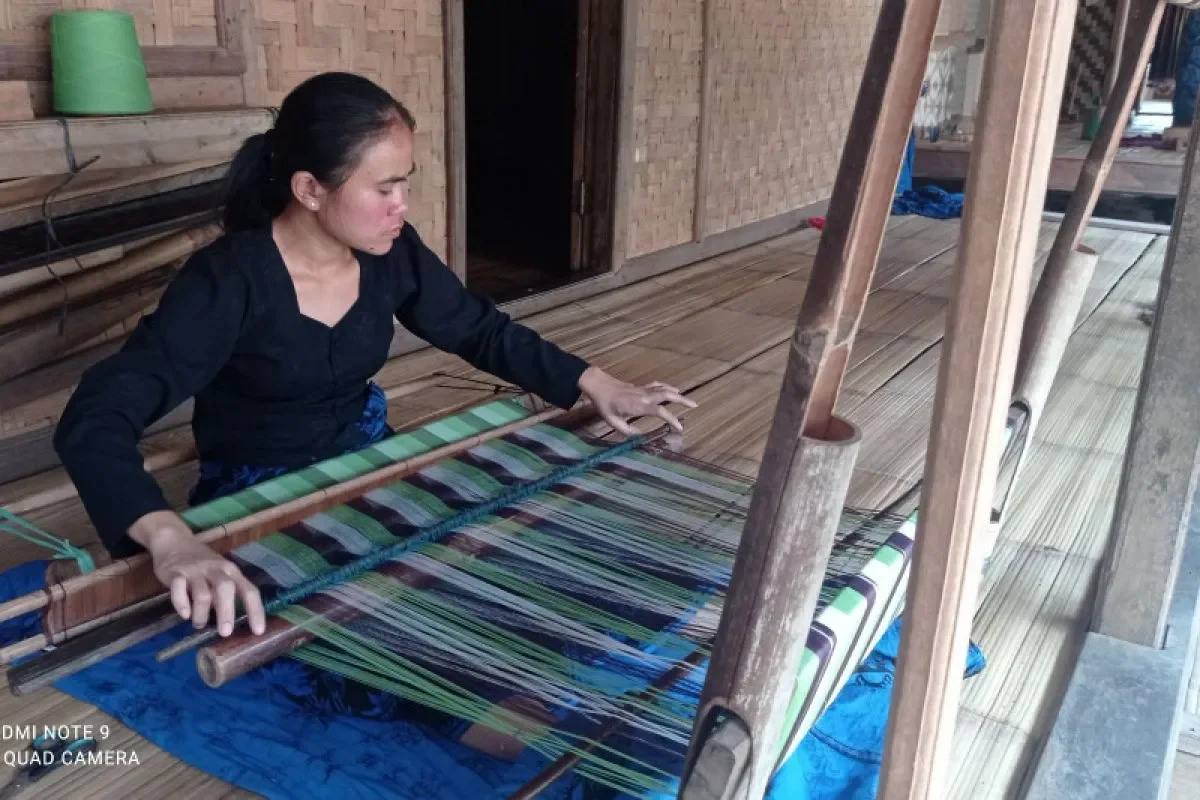
RRI.CO.ID, Jakarta - The Ministry of Industry is encouraging growth in the domestic woven fabric industry through programs to increase value added and diversify products. These initiatives are designed to expand access to both domestic and export markets.
The efforts strengthen the competitiveness of small and medium-sized enterprises (SMEs) while preserving Indonesia’s rich cultural heritage.
Industry Minister Agus Gumiwang Kartasasmita said the woven fabric industry, a subsector of textiles, holds significant potential for continued growth. Indonesian woven fabrics hold cultural and historical value, with unique characteristics that give them a competitive edge in international markets.
“People often think of Indonesian textiles as synonymous with batik. In fact, Indonesia has a fascinating and diverse range of woven fabrics. Each region has its own distinctive weaving techniques, motifs, colors, and raw materials,” he said in Jakarta on Tuesday, June 2, 2026, as quoted on the ministry’s official website.
Minister Agus emphasized that developing the weaving industry is crucial for cultural preservation and for supporting sustainable fashion, which is gaining popularity worldwide. Strategic steps, he added, are needed to ensure woven products are more widely recognized and used.
Director General of Small, Medium, and Miscellaneous Industries (IKMA), Reni Yanita, noted that the domestic weaving industry’s potential is supported by 482 SME weaving centers across Indonesia.
“According to the Ministry’s Data and Information Center, exports of Indonesian ikat woven products reached 14.1 tons, valued at USD 88,600, in 2025. This shows that traditional woven products have international market potential, but continuous improvement is needed to deliver broader economic benefits to communities,” Reni said.
She acknowledged that SMEs still face challenges, particularly in design development and product diversification. Rapid market changes demand constant innovation to meet evolving consumer needs.
“Until now, woven fabrics have been used mostly for formal and traditional occasions, such as weddings or ceremonies. Yet their motifs, colors, and material characteristics hold great potential for everyday fashion products,” she explained.
To address this, the ministry is encouraging diversification of woven products.
“Diversification does not mean abandoning culture. With creativity and innovation, the cultural values embedded in weaving can continue to thrive while aligning with current market trends,” said Director of the Ministry’s Chemical, Clothing, and Craft SME division, Budi Setiawan.
The ministry remains committed to transforming the national weaving industry into one that is more innovative and competitive, contributing significantly to the development of Indonesia’s fashion industry in the global market. ***
News Recomendation
Loading latest news.....