



Ministry Highlights Alarming Trends in Child Online Safety
- 27 Mei 2026 00:06 WIB
- Voice of Indonesia
Key Points
- Half of Indonesian children exposed to sexual content online amid rising cyberbullying, predators, and radical ideologies.
- PP TUNAS mandates age verification, promotes family digital literacy, and strengthens supervision of children’s online activity.
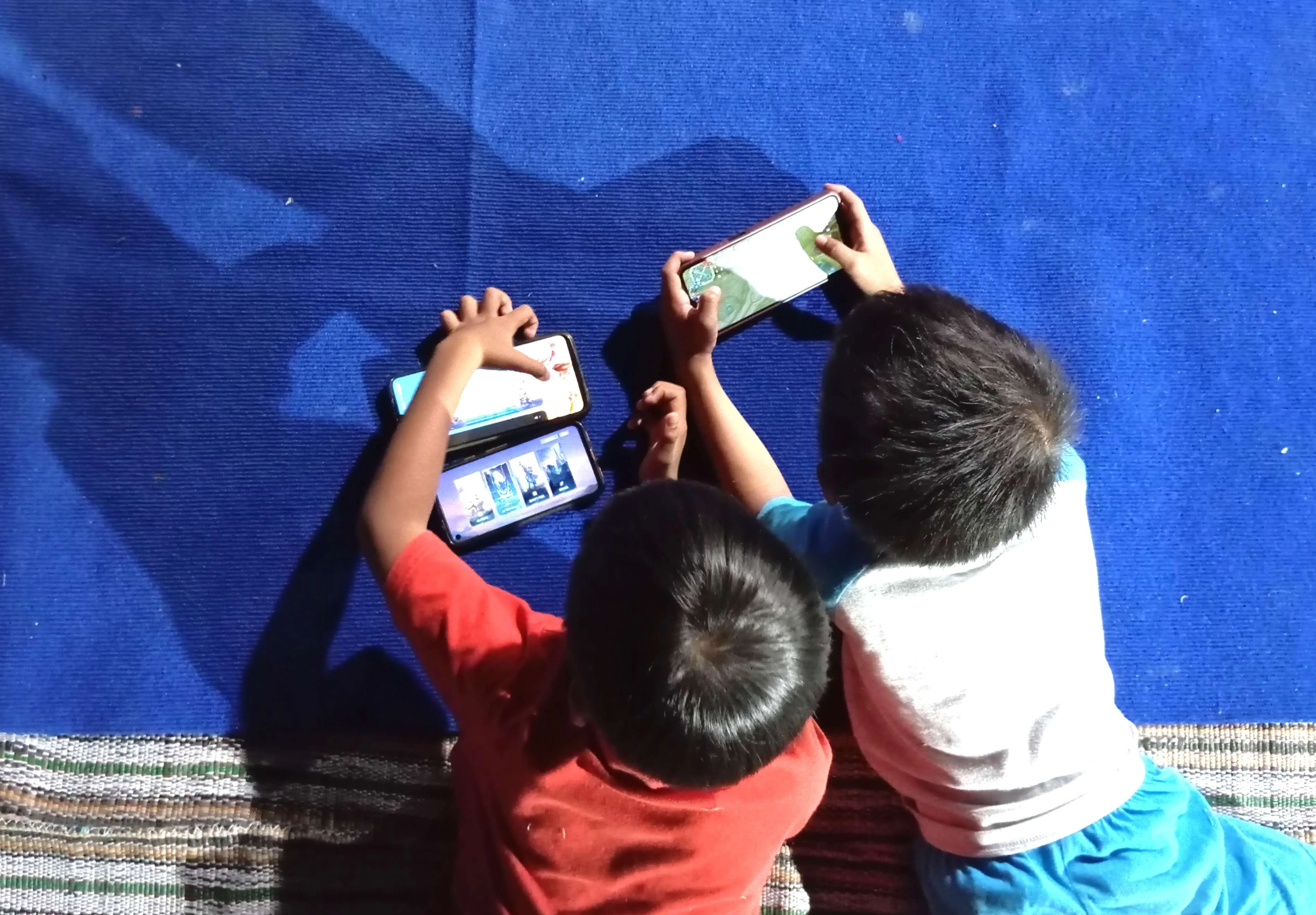
RRI.CO.ID, Jakarta - The growing exposure of children to sexual content on social media has raised serious concerns.
The Ministry of Communication and Digital reported that more than half of Indonesian children have encountered sexually charged content online, amid rising threats of cyberbullying, online predators, and radical ideologies targeting young users.
Special Staff to the Minister of Communication and Digital, Alfreno Kautsar, said the rapid expansion of digital technology poses new challenges to child protection. Vulnerable age groups, he noted, are the most affected by risks in the digital space.
He explained that children face two main risks online: content risk and contact risk. Content risk occurs when children freely access information on social media, including harmful material.
“As many as 50.3 percent of Indonesian children have been exposed to sexual content through social media. Of the roughly 80 million children in Indonesia, nearly half have also experienced gender-based violence online. Children with access to social media can encounter any type of content, whether negative or positive,” Alfreno said at the National Education Day Digital Literacy event at the Garuda Spark Innovation Hub on Monday, May 25, 2026, as quoted on the ministry’s official website.
Contact risk arises when children interact with strangers through social media or other digital platforms. This situation, Alfreno warned, opens the door to radicalism, harmful information, and child abuse.
“Today, many of our children chat with strangers and are exposed to bad information, such as radicalism. Child abuse can also occur,” he said.
To mitigate these risks, the government issued Government Regulation No. 17/2025 on the governance of electronic systems for child protection (PP TUNAS).
The regulation requires platforms to verify users’ ages to prevent children from accessing inappropriate content or features. It also promotes digital literacy within families and strengthens parental supervision of children’s online activities.
Alfreno emphasized that the regulation is not intended to restrict creativity or innovation among young people, but to ensure their safety in digital spaces.
“We never want to limit innovation for young people. We just want them to understand what is right and wrong. Our goal is to protect young Indonesians from risks without delaying innovation,” he concluded. ***
News Recomendation
Loading latest news.....