



Indonesia Tightens Export Oversight with DSI’s Official Launch
- 26 Mei 2026 01:17 WIB
- Voice of Indonesia
Key Points
- Govt officially establishes Danantara Sumber Daya Indonesia (DSI) as a state‑owned enterprise to oversee strategic commodity exports.
- PT DSI is tasked with managing and monitoring export transactions of key natural resource commodities to strengthen governance and transparency.
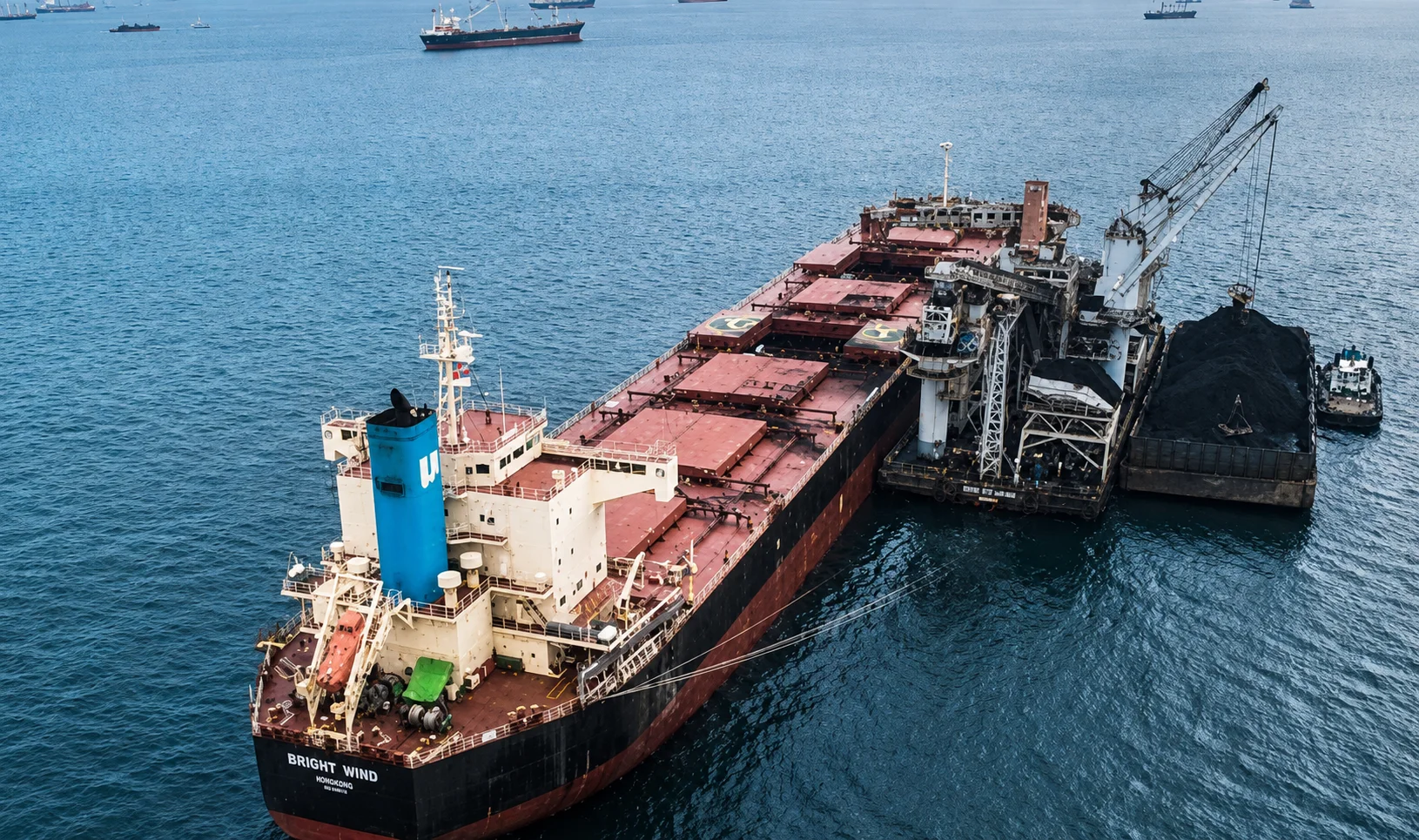
RRI.CO.ID, Jakarta - Indonesia has taken a decisive step to tighten oversight of strategic commodity exports by officially establishing Danantara Sumber Daya Indonesia (DSI) as a state‑owned enterprise (SOE).
The company is tasked with managing natural resource exports and curbing transaction manipulation practices that have long undermined state revenue.
Head of the State‑Owned Enterprise Regulatory Agency (BP BUMN) and Chief Operating Officer of Danantara, Dony Oskaria, confirmed that DSI officially became an SOE on Monday, May 25, 2026.
“Today, we are a state‑owned enterprise, because the process requires a 1 percent stake owned by the state with special powers. Today, we are a state‑owned enterprise,” Dony said at the Senayan Parliament Complex in Jakarta, as quoted by Antara.
He explained that he had signed the approval process earlier that morning, though technical mechanisms for exporting commodities such as coal, palm oil, and ferroalloys are still being finalized. “The details will be announced later. They are currently being processed,” he added.
President Prabowo Subianto previously announced the issuance of a Government Regulation on the Governance of Natural Resource Commodity Exports during a plenary session of the House of Representatives (DPR RI) on May 20, 2026. The regulation mandates the establishment of PT DSI to oversee and manage export transactions of strategic commodities.
The move was prompted by persistent under‑invoicing and transfer pricing practices in Indonesia’s export trade.
Under‑invoicing involves reporting a lower value of goods than the actual transaction to reduce payment obligations, while transfer pricing refers to transactions between affiliated companies that can be manipulated to shift profits and minimize tax burdens.
DSI will operate in two phases. From June 1 to December 31, 2026, the company will act as an appraiser and intermediary between sellers and buyers of certain export commodities. In the second phase, DSI is expected to function as a trading company, directly purchasing and selling export goods.
The government hopes DSI’s presence will strengthen governance in commodity trade, enhance transparency in export transactions, and optimize state revenue from the natural resources sector. ***
News Recomendation
Loading latest news.....