



Indonesia Discovers 29 New Flora Species in 2025–2026, BRIN Reports
- 26 Mei 2026 00:25 WIB
- Voice of Indonesia
Key Points
- BRIN researchers and collaborators describe 29 new plant species across Indonesia between 2025 and early 2026.
- Discoveries highlight biodiversity potential and reinforce calls for stronger conservation efforts nationwide.
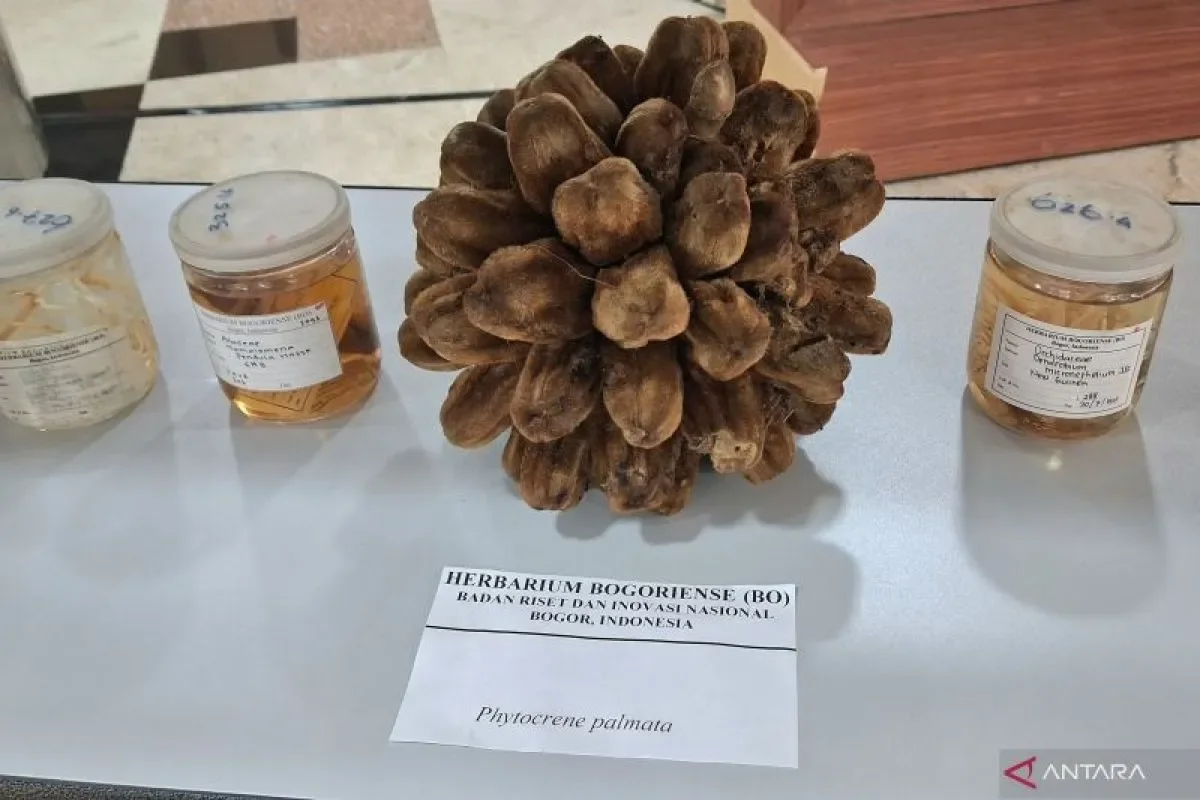
RRI.CO.ID, Jakarta - The National Research and Innovation Agency (BRIN) announced that its researchers and collaborators in Indonesia discovered and scientifically described 29 new species of flora between 2025 and early 2026.
The discovery underscores that Indonesia’s biodiversity still holds many unsolved mysteries. BRIN said the findings highlight the urgency of strengthening conservation efforts amid mounting threats to biodiversity.
BRIN Head Arif Satria stressed that the discovery of new plant species is vital for raising public awareness of the need to conserve national biodiversity, noting disparities between discoveries in Java and other islands.
“The natural secrets of Papua, Kalimantan, and areas outside Java have not been fully explored, and we must acknowledge that. Therefore, we will continue expeditions across the archipelago to make new discoveries,” Arif said in Jakarta on Monday, May 25, 2026, as quoted by Antara.
He explained that identifying new species also opens opportunities for bioprospecting, exploring biological resources for commercial use, including healthcare and pharmaceuticals.
“Every new species discovered adds to global knowledge and reminds us that Indonesia’s extraordinary biological wealth must be safeguarded. Biodiversity research is a crucial foundation for conservation, scientific development, and Indonesia’s sustainable future,” he said.
From 1967 to 2025, BRIN researchers, together with national and international partners, discovered 1,583 new species, including 712 plants. Between 2025 and early 2026 alone, at least 29 new Indonesian flora species were scientifically described.
These species include Rafflesia, Begonia, Homalomena, Rhododendron, Nepenthes, and orchids (Orchidaceae), found in several regions of Indonesia. The discoveries demonstrate the country’s vast biodiversity potential, much of which remains unidentified.
Arif emphasized that discovering new species requires extensive fieldwork and sustained research, supported by stronger capacity in taxonomy and biodiversity exploration.
He also noted that conservation challenges are becoming more complex due to land-use changes, climate change, pollution, invasive species, and unsustainable exploitation of natural resources. Many species face extinction before they can be identified.
“Therefore, biodiversity research must be part of the national strategic agenda. It is not only about conserving plants, but also about safeguarding knowledge resources, ecosystem resilience, and the future of generations to come,” Arif said. ***
News Recomendation
Loading latest news.....