



Indonesia Promotes Keris Heritage Through Digital Innovation and Youth Outreach
- 24 Mei 2026 11:41 WIB
- Voice of Indonesia
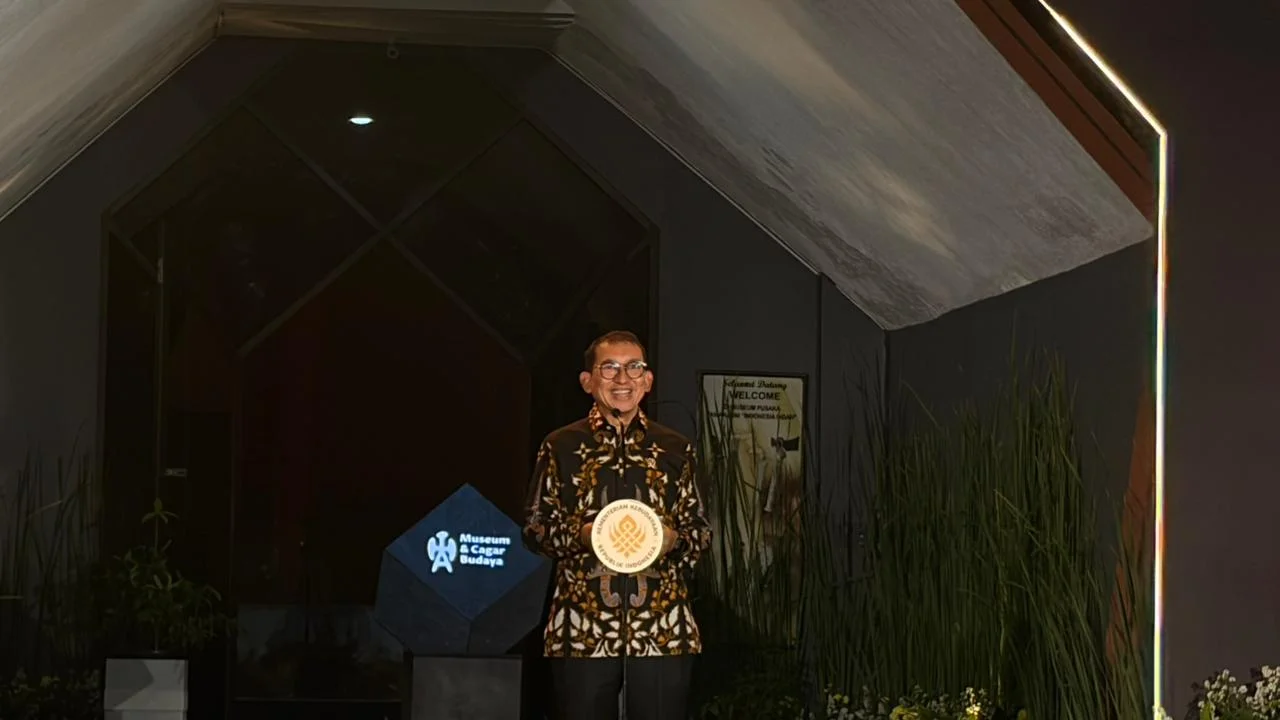
RRI.CO.ID, Jakarta - The Indonesian government is strengthening efforts to preserve and promote the keris, a traditional asymmetrical dagger recognized as part of the nation’s cultural heritage, through digital outreach and public education programs. The initiative was highlighted during the National Keris Day commemoration at Taman Mini Indonesia Indah (TMII), a 150-hectare cultural theme park located in East Jakarta, on Saturday, 23 May 2026.
Indonesia’s Minister of Culture, Fadli Zon, said digital approaches are expected to attract younger generations to better understand and appreciate the cultural significance of keris traditions. He noted that the event also provided opportunities for visitors to learn directly from collectors and cultural communities.
“We hope digital platforms can encourage young people to understand and appreciate the keris, from ancient heirlooms to contemporary creations,” Fadli said. He added that exhibitions and educational programs were designed to introduce the public to the rich history and craftsmanship behind the iconic weapon.
Fadli explained that although the keris originated on the island of Java, its influence has spread widely across the Indonesian archipelago, including Sumatra, Kalimantan, Sulawesi, Bali, and Lombok. According to him, the cultural artifact has also reached neighboring countries and become known internationally as an important symbol of Southeast Asian heritage.
“The spread of keris culture is extraordinary,” he said. “Today, the keris is regarded not only as a sacred heirloom but also as a masterpiece created by contemporary artisans and cultural masters.”
Meanwhile, Special Staff for History and Cultural Heritage Protection, Basuki Teguh Yuwono, emphasized the importance of establishing proper governance and ethical standards in the management and trade of keris collections. He said stronger systems are needed to ensure the preservation and professional development of Indonesia’s keris heritage sector.
Basuki also highlighted the government’s efforts to support heritage literacy, certification, and educational initiatives related to keris culture. He noted that more than 35 books on keris studies have been published to make historical manuscripts and traditional knowledge more accessible to modern audiences.
In addition, the Ministry of Culture is encouraging the expansion of cultural diplomacy programs, including the “Keris Goes to Campus” initiative and international outreach in countries such as Malaysia, Thailand, the Netherlands, and Germany. Organizers expressed hope that the keris would continue to gain global recognition as both a cultural symbol and a reflection of Indonesia’s long-standing technological and artistic achievements.
News Recomendation
Loading latest news.....