



The Potential Rice Production for April–June 2026 is Projected at 9.61 Million Tons
- 05 Mei 2026 13:37 WIB
- Voice of Indonesia
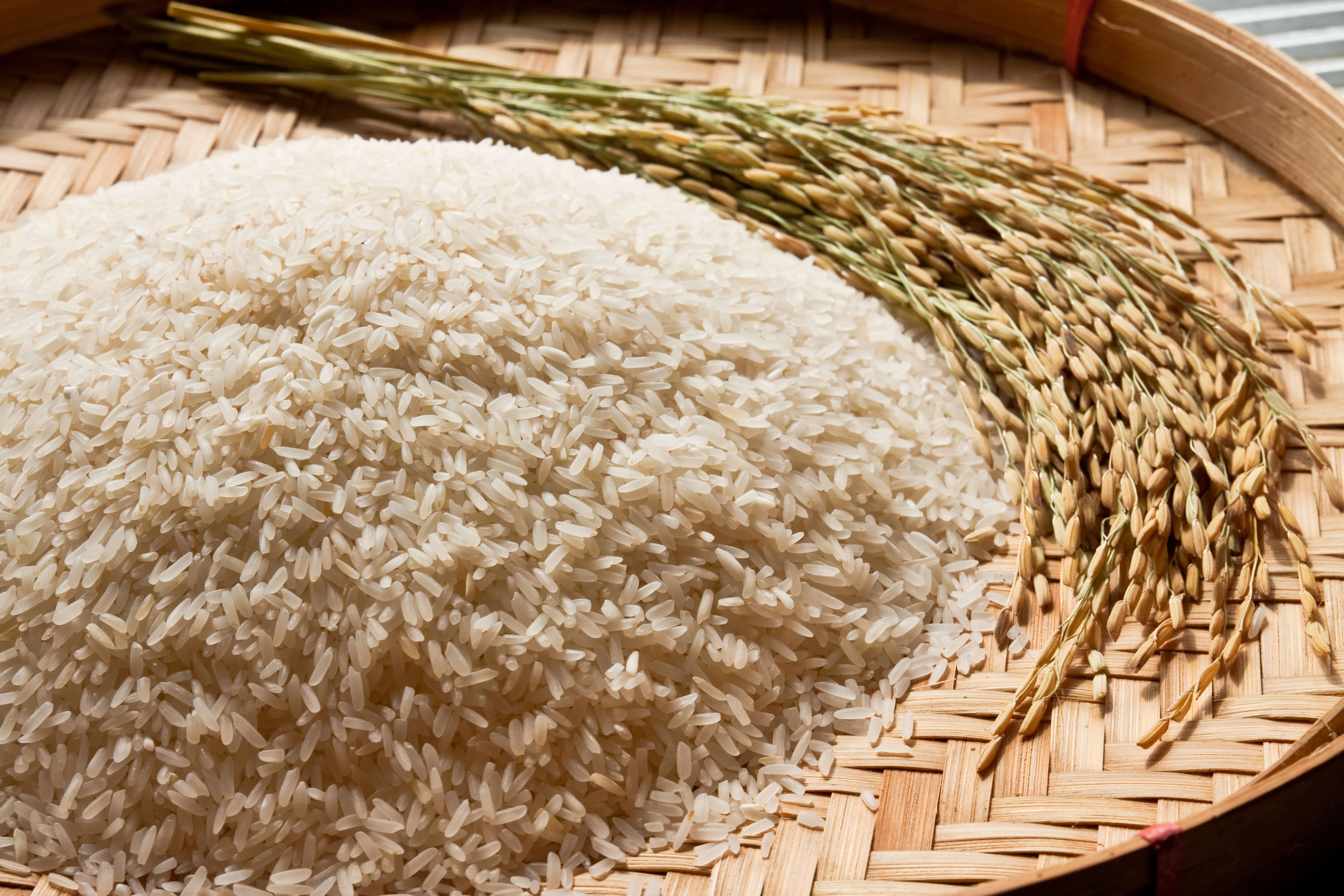
RRI.CO.ID, Jakarta - The Central Statistics Agency (BPS) announced the latest statistical data on Indonesia’s agricultural sector in Jakarta on Monday, May 4, 2026. One survey result shows that cumulative rice production in the first quarter of 2026 still experienced a slight increase.
Deputy for Distribution and Services Statistics at BPS, Ateng Hartono, reported that rainfall in March 2026 was at a moderate level in most regions of Indonesia. This condition affected rice growth in the early months of 2026, causing a slight decline, although cumulatively the first quarter still showed an increase.
He also added that the Area Sample Frame (KSA) survey in March recorded that around 40.24 percent of agricultural land was planted with rice. Of this, the majority—about 20.25 percent—was in the generative phase, generally ready for harvest within the next month.
According to the same data, rice production for public consumption in March 2026 was estimated at 5.04 million tons, down 3.67 percent from March 2025. The potential rice production for April–June 2026 is projected at 9.61 million tons, down around 8.30 percent compared to the same period last year.
However, cumulatively for January–June 2026, rice production is estimated to reach 19.31 million tons, up 0.26 percent compared to the same period in 2025. Analysts emphasize that these projections are still vulnerable to changes depending on weather conditions, pest attacks, floods, droughts, and farmers’ planting and harvesting practices.
“Thus, rice production from January to June 2026 is estimated at 19.31 million tons, an increase of 0.05 million tons or 0.26% compared to the same period in 2025,” Ateng Hartono stated during the announcement.
These conditions have drawn government attention, reaffirming its commitment to food self-sufficiency policies, aiming to meet national food needs without dependence on imports. The decline in potential production in March calls for anticipatory measures such as accelerated technical assistance and strengthened agricultural extension services.
Previously, Agriculture Minister, Andi Amran Sulaiman, emphasized that Indonesia’s food self-sufficiency achievements are based on credible data recognized by BPS, FAO, and USDA. He noted that national rice stocks reached 5 million tons in April 2026, the highest in history, highlighting improvements in farmer welfare and growth in the agricultural sector’s GDP.
Minister Amran also clarified that self-sufficiency does not mean zero imports, but that imports of strategic staple foods do not exceed 10 percent of national needs. This statement underpins policies focused on import control, increasing national reserves, and direct support to farmers.
Although there were declines in some months, the cumulative projection for early 2026 shows relative stability. The government continues to monitor field conditions and prepares rapid responses to climate and pest risks to ensure national rice availability.
News Recomendation
Loading latest news.....