



President Prabowo Signs 2026–2029 National Action Plan Against Extremism
- 04 Mei 2026 18:20 WIB
- Voice of Indonesia
Key Points
- President Prabowo Subianto has issued Presidential Regulation No. 8/2026 on the National Action Plan to prevent and counter violent extremism leading to terrorism.
- The government expects this comprehensive approach to break the chain of radicalization early and strengthen protection against terrorism’s impact.
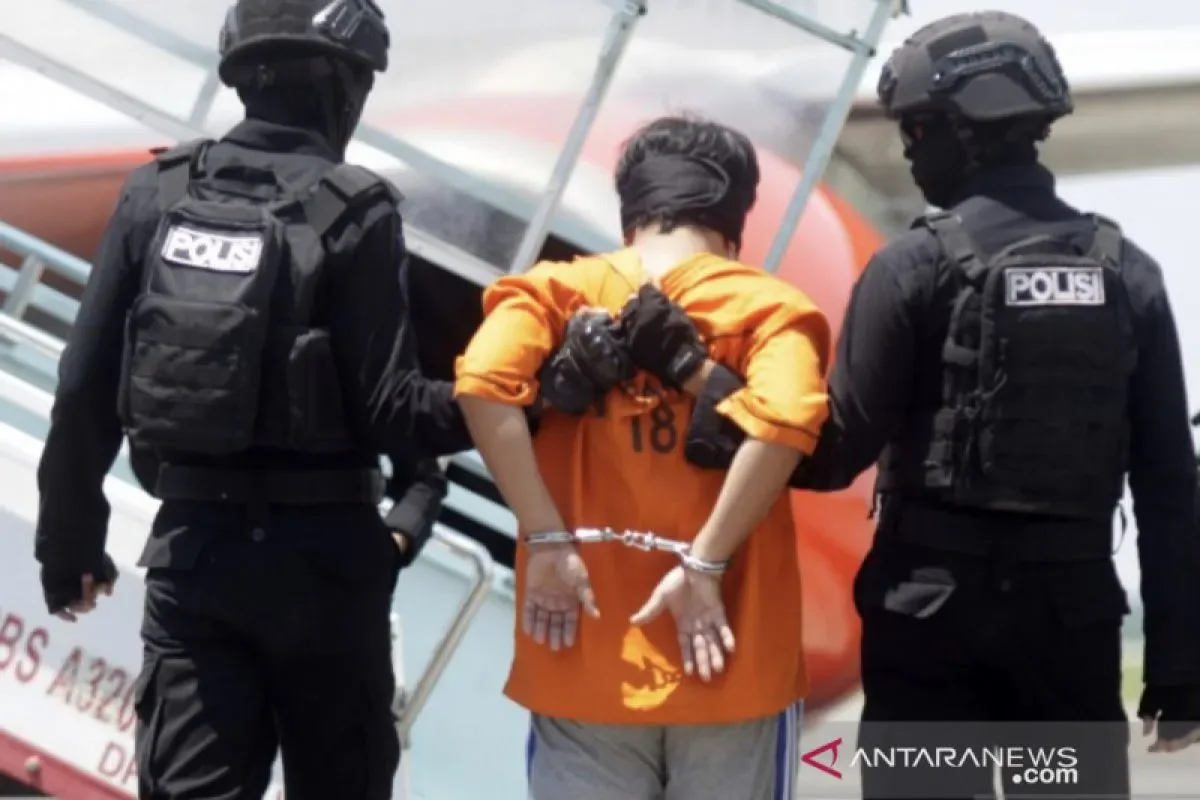
RRI.CO.ID, Jakarta – President Prabowo Subianto has issued Presidential Regulation No. 8/2026 on the National Action Plan for the Prevention and Countering of Violent Extremism Leading to Terrorism (RAN PE) for the 2026–2029 period.
Although signed on February 9, 2026, the regulation was only published on May 4, 2026, as reported by Antara.
The new policy marks a shift in Indonesia’s counterterrorism approach, focusing on the root causes of extremism, including social, economic, and ideological factors, with a stronger emphasis on prevention.
Under the regulation, regional administrations are required to prepare Regional Action Plans (RAD PE) within one year to ensure that prevention efforts are implemented locally and not concentrated solely at the national level.
The RAN PE consists of nine themes: national preparedness, community and family resilience, education, community skills, and job facilitation, protection and empowerment of women, youth, and children, strategic communication, media, and electronic system, deradicalization, human rights, good governance, and justice, witness protection and victims’ rights fulfillment, and partnerships and international cooperation.
Given the ease with which extremist ideologies spread online, the government highlights the importance of strategic communication in digital spaces.
To ensure effective implementation, the regulation establishes a joint secretariat across ministries and institutions to coordinate, monitor, and evaluate RAN PE programs.
The policy responds to the growing threat of extremism driven by identity-based conflicts, economic disparities, political grievances, and religious intolerance. By addressing these triggers and the radicalization process itself, the government hopes to break the chain of extremism early and strengthen protection for society. ***
News Recomendation
Loading latest news.....