



Indonesia Pushes Multimodal Logistics to Cut Costs at 14.29 Percent GDP
- 30 Apr 2026 18:33 WIB
- Voice of Indonesia
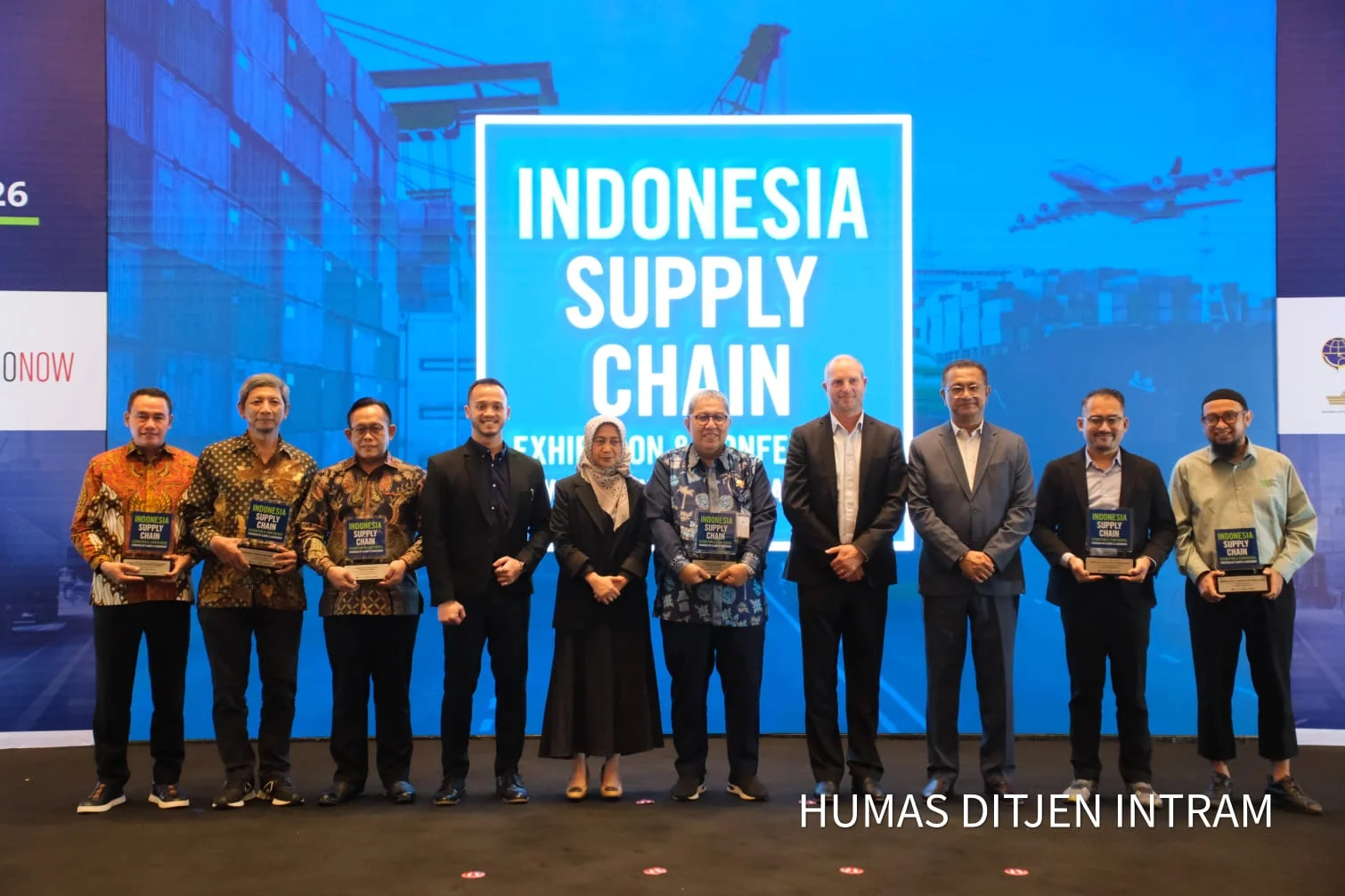
RRI.CO.ID, Jakarta – The Ministry of Transportation, through the Directorate General of Transport Integration and Multimodal Transport, is accelerating efforts to strengthen multimodal transport integration and digitalization in logistics in an attempt to reduce national logistics costs, which currently stand at 14.29 percent of Gross Domestic Product (GDP). Director General of Transport Integration and Multimodal Transport, Risal Wasal, said the initiative is part of a broader strategy to improve national competitiveness through a more efficient distribution system.
“Our logistics costs remain relatively high, and this is a major challenge for national competitiveness. Therefore, multimodal transport integration must become the main strategy in the goods distribution system,” Risal said in Jakarta on Tuesday, April 30, 2026.
He noted that the transport and warehousing sector currently plays a strategic role, contributing around 6.16 percent to GDP and recording growth of 8.98 percent in the fourth quarter of 2025, the highest among all sectors.
However, he acknowledged ongoing challenges, including weak national integration, overreliance on road transport, uneven distribution of goods, and congestion in urban areas.
According to him, strengthening multimodal transport is a key solution for building an efficient national supply chain system, as it integrates various modes of transport into a single service system. “Multimodal transport can improve efficiency and provide flexibility in goods delivery. It has been proven to reduce logistics costs by up to 25 percent and improve delivery time efficiency by around 30 percent,” he said.
The government is also advancing digital transformation through the National Logistics Ecosystem (NLE), which is projected to improve logistics efficiency by 24.6 to 49.5 percent.
In addition, logistics connectivity is being strengthened through the Sea Toll program with 41 shipping routes, the development of pioneer air cargo services, and integration of rail and port-based logistics networks. Risal also highlighted the development of on-call logistics services designed to address distribution gaps, particularly in remote and archipelagic regions.
“We are moving toward a more flexible logistics system through the on-call concept, where transport services are provided based on location and time needs. This is crucial for areas such as Maluku, Papua, and other underdeveloped, frontier, and outermost regions,” he said.
Besides, he affirmed that Indonesia’s logistics transformation requires a major integrated shift supported by multimodal integration, comprehensive digitalization, and national data governance. “Indonesia can no longer rely on incremental improvements. We need a strategic leap to bring logistics costs down to a more competitive level,” Risal said.
He added that the success of the national supply chain strengthening depends on collaboration between the government, businesses, and industry associations.
News Recomendation
Loading latest news.....