



Indonesia Turns to CNG for Industrial Energy Transition
- 29 Apr 2026 07:33 WIB
- Voice of Indonesia
Key Points
- Compressed natural gas (CNG) offers a rational alternative, with abundant but underutilized domestic reserves, particularly in the downstream sector that still depends heavily on oil-based energy and LPG.
- Deputy Speaker of the House Commission VII Lamhot Sinaga stressed that CNG use supports Indonesia’s carbon reduction targets, aligning with the national goal of net-zero emissions by 2060.
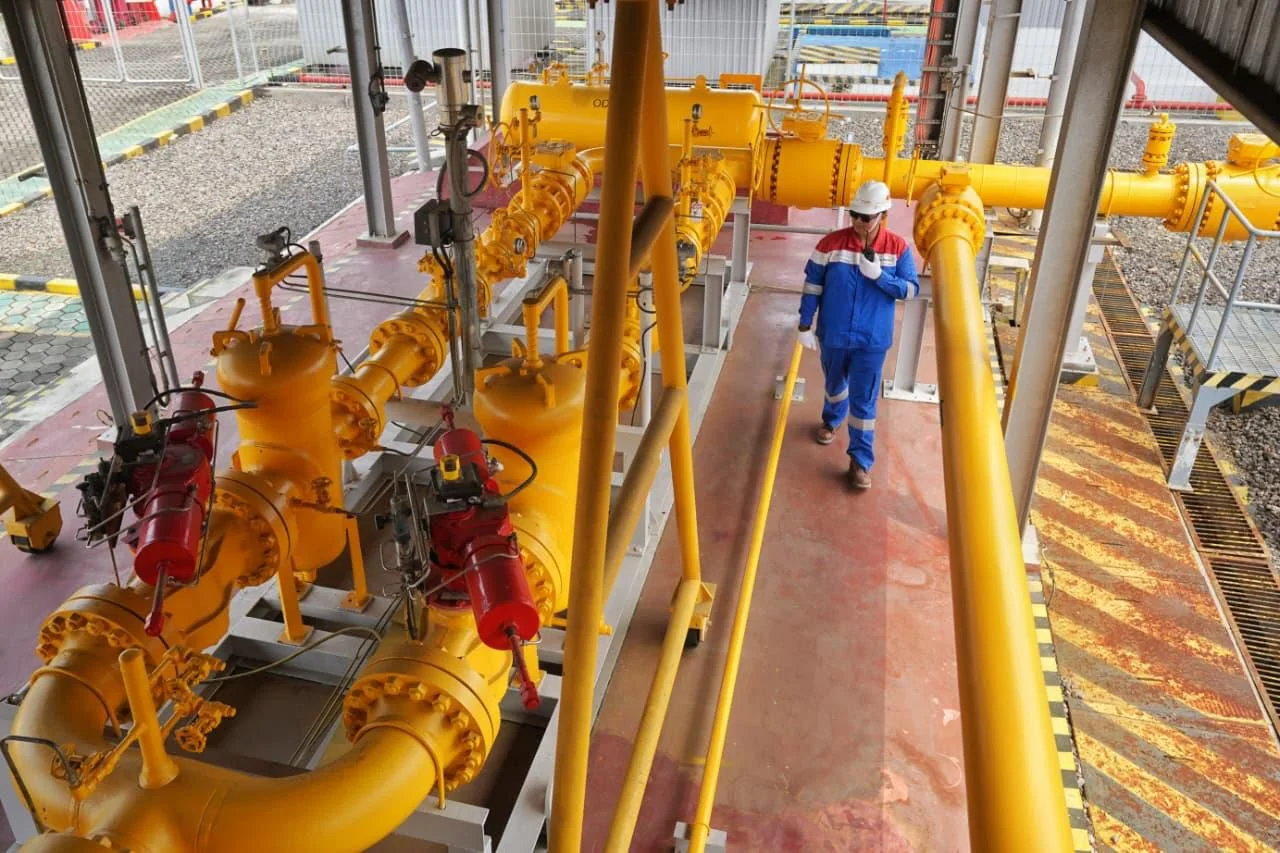
RRI.CO.ID, Jakarta – The Indonesian government’s efforts to reduce reliance on imported energy have resurfaced amid global pressures, with compressed natural gas (CNG) emerging as a more efficient and sustainable transitional solution for the industrial sector.
Deputy Speaker of the House of Representatives Commission VII, Lamhot Sinaga, underscored the importance of accelerating CNG adoption as a substitute for liquefied petroleum gas (LPG). The policy reflects the government’s plan, through the Ministry of Energy and Mineral Resources, to diversify energy sources by maximizing domestic gas.
“Reliance on imported LPG remains very high, with more than 70 percent of national demand met by imports. This burdens both the trade and fiscal balances through energy subsidies,” Lamhot said in a statement received in Jakarta on Wednesday, April 29, 2026, as quoted by Antara.
He explained that CNG offers a rational alternative since Indonesia’s gas reserves are abundant but underutilized, particularly in the downstream sector. “Most industries still depend on oil-based energy and LPG,” he said.
According to Lamhot, CNG prices are more stable and competitive compared to volatile oil-based fuels. “If part of industrial energy consumption shifts from petroleum products and LPG to CNG, production costs can be reduced, and the competitiveness of national industries will improve,” he noted.
Lamhot added that CNG distribution is more flexible, as compression systems allow supply to reach areas without pipeline networks. “The government can cut energy imports and subsidies, while industries gain access to cheaper, more stable, and environmentally friendly energy,” he said.
He emphasized that CNG use also supports Indonesia’s carbon reduction targets toward net-zero emissions by 2060. However, infrastructure readiness, including refueling stations, compression facilities, and regulatory support, remains crucial.
Lamhot pointed out that state-owned enterprises, such as state-owned gas distribution company PT Perusahaan Gas Negara Tbk, have already operated several CNG refueling stations and serve industrial clients. “We are not starting from zero. Infrastructure exists and needs to be expanded and integrated with the right policies,” he said.
He stressed that collaboration among the government, state-owned enterprises, and the private sector must be strengthened to accelerate CNG adoption. “If the ecosystem is built properly, CNG has the potential to become the backbone of Indonesia’s energy transition in the medium term,” he said, adding that energy diversification is essential amid global geopolitical dynamics affecting fuel prices. ***
News Recomendation
Loading latest news.....