



Government Maintains Energy Security Despite Middle East Geopolitical Risks
- 27 Apr 2026 16:59 WIB
- Voice of Indonesia
Key Points
- National energy reserves, including fuel and crude oil, remain stable despite geopolitical tensions in the Middle East.
- The government is seeking long-term solutions to reduce reliance on LPG imports, which remain persistently high.
RRI.CO.ID, Jakarta – The government has assured that fuel and crude oil supplies remain secure, despite geopolitical tensions in the Middle East raising concerns over global energy distribution.
Minister of Energy and Mineral Resources (ESDM), Bahlil Lahadalia, confirmed that national energy reserves, ranging from fuel oil (BBM) to crude oil stocks, are above the national minimum standard.
“I’m reporting on the development of our national energy reserves. In terms of fuel products, including diesel and gasoline, everything is above the national minimum standard,” Minister Bahlil said after a limited meeting with President Prabowo Subianto at the Presidential Palace in Jakarta on Monday, April 27, 2026, as quoted by Antara.
He added that the situation in the Strait of Hormuz over the past two months has not significantly disrupted domestic supplies. “Thank God, it has been nearly two months since the geopolitical incident in the Middle East regarding the Strait of Hormuz, and we remain stable,” he said.
Crude oil stocks for domestic refinery needs are also reported to be secure, with availability above the minimum limit, ensuring refinery operations continue without major disruptions.
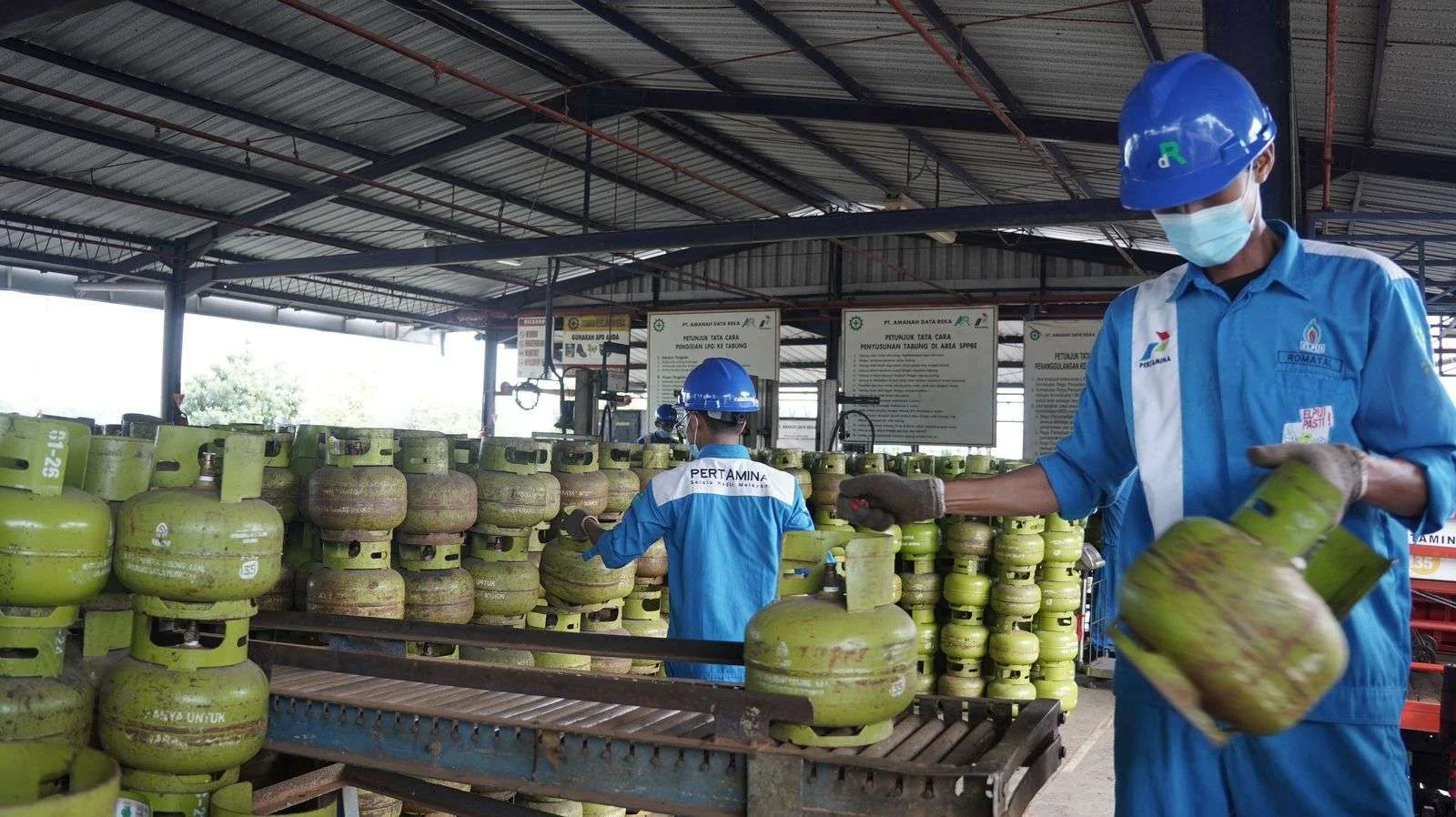
However, challenges persist in the liquefied petroleum gas (LPG) sector. National LPG consumption reaches about 8.6 million tons per year, while domestic production is only around 1.6 to 1.7 million tons.
Since the kerosene conversion program was implemented, Indonesia has had to import approximately 7 million tons of LPG annually. Limited raw materials, such as propane (C3) and butane (C4), remain a significant obstacle to the development of the domestic LPG industry.
To address this, the government is exploring several alternatives, including processing low-calorie coal into dimethyl ether (DME) as an LPG substitute and utilizing compressed natural gas (CNG).
“These are still under discussion. I have to finalize them, but they are among the best alternatives for us to promote energy independence in the LPG sector,” Minister Bahlil said.
The government considers these steps crucial to strengthening national energy independence, particularly by reducing reliance on LPG imports in the future. ***
News Recomendation
Loading latest news.....