



Govt Strengthens Cosmetics SMEs Ahead of 2026 Mandatory Halal Certification
- 24 Apr 2026 15:25 WIB
- Voice of Indonesia
Key Points
- The Ministry of Industry is preparing cosmetics SMEs for mandatory halal certification by 2026, driven by rising consumer demand for safe, high-quality, and halal-compliant products.
- Capacity-building programs focus on small and medium-sized enterprises (SMEs) to ensure they meet standards, including halal certification, and remain competitive in both domestic and global markets.
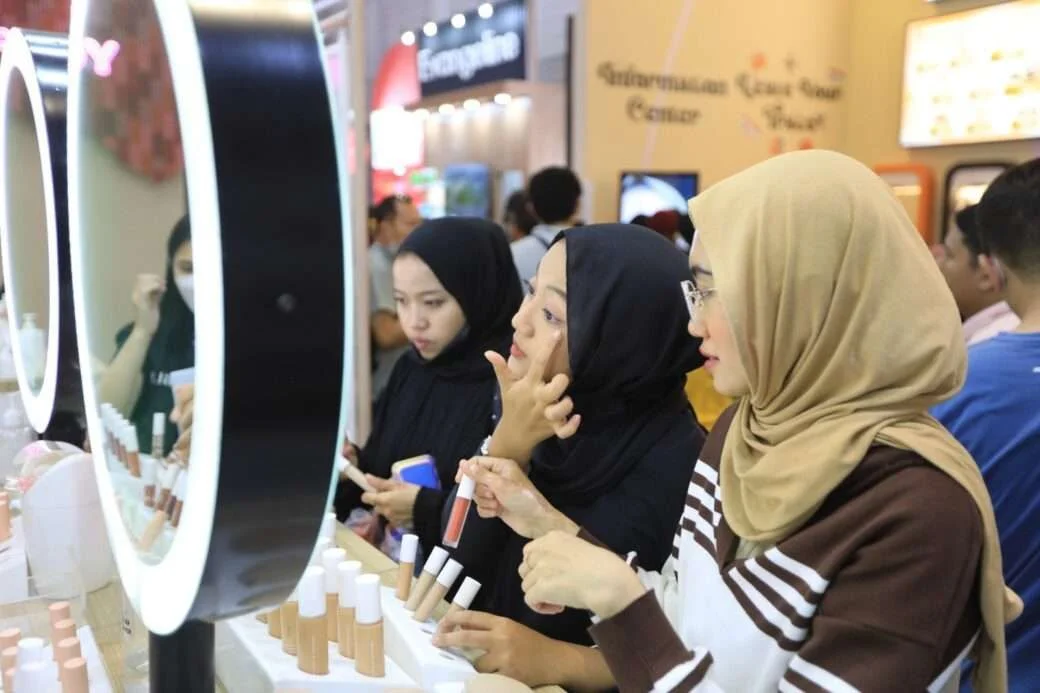
RRI.CO.ID, Jakarta - The Ministry of Industry is enhancing the readiness of small and medium-sized enterprises (SMEs) in the cosmetics sector to meet the halal certification requirement by 2026. The initiative comes amid rising demand for cosmetic products and shifting consumer preferences toward product safety and halal compliance.
Lifestyle changes and growing awareness of self-care are driving demand for domestic cosmetic products. Indonesia also has significant market potential, supported by a dominant working-age population and rising purchasing power.
Consistent with these developments, consumer preferences are shifting toward safety, quality, and halal compliance. The domestic cosmetics industry is therefore required not only to be innovative and competitive but also to meet applicable standards and regulations.
Industry Minister Agus Gumiwang Kartasasmita said Indonesia has a major opportunity to strengthen its position as a key player in the global halal cosmetics industry, supported by strong global demand for high-quality, competitively priced halal products.
“Consumers today not only consider the function and quality of products but are increasingly paying attention to halal and sustainability aspects. This indicates that the cosmetics sector is one of the high-value-added industries with significant export potential,” Minister Agus said in Jakarta on Thursday, April 23, 2026.
To strengthen competitiveness, the Ministry continues to encourage businesses to improve product quality, with capacity-building efforts focused on SMEs to ensure they can meet standards, including halal certification.
Minister Agus emphasized that the government is implementing various training programs, facilitation initiatives, and technical assistance for cosmetics industry players. These programs aim to prepare SMEs to face increasingly competitive market dynamics at both domestic and global levels.
“Cooperation between the government, industry associations, and other stakeholders is also being continuously strengthened as part of the strategy to build a sustainable and globally competitive cosmetics industry ecosystem,” he added.
Meanwhile, Director General of Small, Medium, and Miscellaneous Industries, Reni Yanita, said the implementation of halal certification is being carried out in phases under Law No. 33/2014. The requirement will cover cosmetic products and consumer goods starting October 17, 2026.
“This is part of a joint effort to provide certainty and protection for consumers, while simultaneously strengthening the competitiveness of domestic products,” Reni said.
To support this policy, the Ministry is hosting a webinar titled “A Comprehensive Look at Halal Certification for Cosmetics and Consumer Goods” on April 15. The event is part of the Cosmetic Day 2026 series, scheduled for September.
Reni added that Indonesia has a strong halal consumer base, with a Muslim population exceeding 244 million. According to the 2025 Global Halal Market Statistics report by the American Halal Foundation, 72 percent of consumers pay attention to halal labels, and 60 percent are willing to pay a premium.
“This shows that the market is already established and continues to grow. Halal certification is no longer an option or a value-added feature, but will become a basic requirement to enter, survive, and thrive in the domestic market,” said Reni. (Gusti Panji/Lasti Martina)
News Recomendation
Loading latest news.....