



Indonesia Advances Human Rights with Domestic Workers Protection Legislation
- 22 Apr 2026 14:50 WIB
- Voice of Indonesia
Key Points
- The ratification of the Domestic Workers Protection Law (UU PPRT) formally recognizes and safeguards the rights of Indonesia’s 4.2 million domestic workers.
- The main challenge ahead lies in effective implementation, ensuring that the protections guaranteed by the law are enforced and truly improve conditions on the ground.
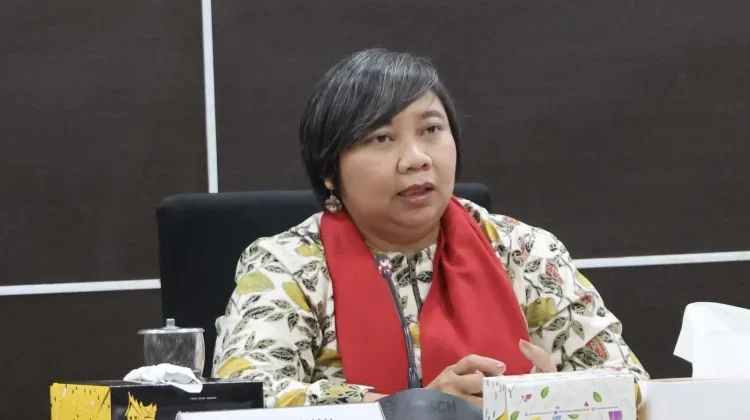
RRI.CO.ID, Jakarta – Indonesia ratified the Domestic Workers Protection Law (UU PPRT) on April 21, 2026, ending more than two decades of deliberation and marking a strategic step toward strengthening recognition of human rights and social justice for millions of domestic workers.
The National Commission on Human Rights (Komnas HAM) welcomed the ratification, calling it a milestone in the state’s commitment to fulfilling constitutional obligations and international human rights instruments.
Komnas HAM Commissioner Anis Hidayah said the law provides long-awaited protection for vulnerable groups who have long worked in the domestic sector without adequate safeguards.
“Ratification of the PPRT Law is an important step in fulfilling Indonesia’s obligations under human rights instruments, realizing justice, and providing maximum protection to marginalized groups,” Anis said in Jakarta on Wednesday, April 22, 2026, as quoted by Antara.
Indonesia is estimated to have 4.2 million domestic workers, the majority of them women. Komnas HAM data recorded at least 47 reports of alleged violations in 2024 alone, ranging from physical, psychological, and sexual violence to wage discrimination, exploitation, forced labor, and modern slavery.
A 2022 Komnas HAM study also revealed that domestic workers often face uncertain employment relationships, minimal legal protection, and inhumane working conditions, leaving them vulnerable to repeated violations.
The newly ratified law explicitly recognizes domestic workers as part of the workforce with rights. It guarantees living wages, protection from violence, and sets a minimum age of 18 to prevent child labor.
It also requires clear employment agreements between workers and employers, establishes monitoring and dispute resolution mechanisms, and includes measures to improve workers’ capacity.
Komnas HAM emphasized that the law’s effectiveness will depend on its implementation. Oversight, public education, and cross-sector coordination are essential to ensure that protections are not merely symbolic but transform working conditions in the domestic sector.
“With the ratification of the PPRT Law, we hope to see employment relationships that uphold humanity and justice,” Anis said.
The passage of the Domestic Workers Protection Law not only ends a long wait but also opens a new chapter in Indonesia’s efforts to uphold social justice for one of its most vulnerable labor groups. ***
News Recomendation
Loading latest news.....