



Indonesia, UNICEF Cooperation on Children's Rights Fulfillment for 2026-2030
- 20 Apr 2026 15:18 WIB
- Voice of Indonesia
Key Points
- The Indonesian Ministry of National Development Planning, in collaboration with the United Nations Children’s Fund (UNICEF), launched the Country Program Action Plan (CPAP) for 2026–2030 to fulfill children’s rights.
- The partnership between Indonesia and UNICEF has been in place for six decades through the Basic Cooperation Agreement (BCA).
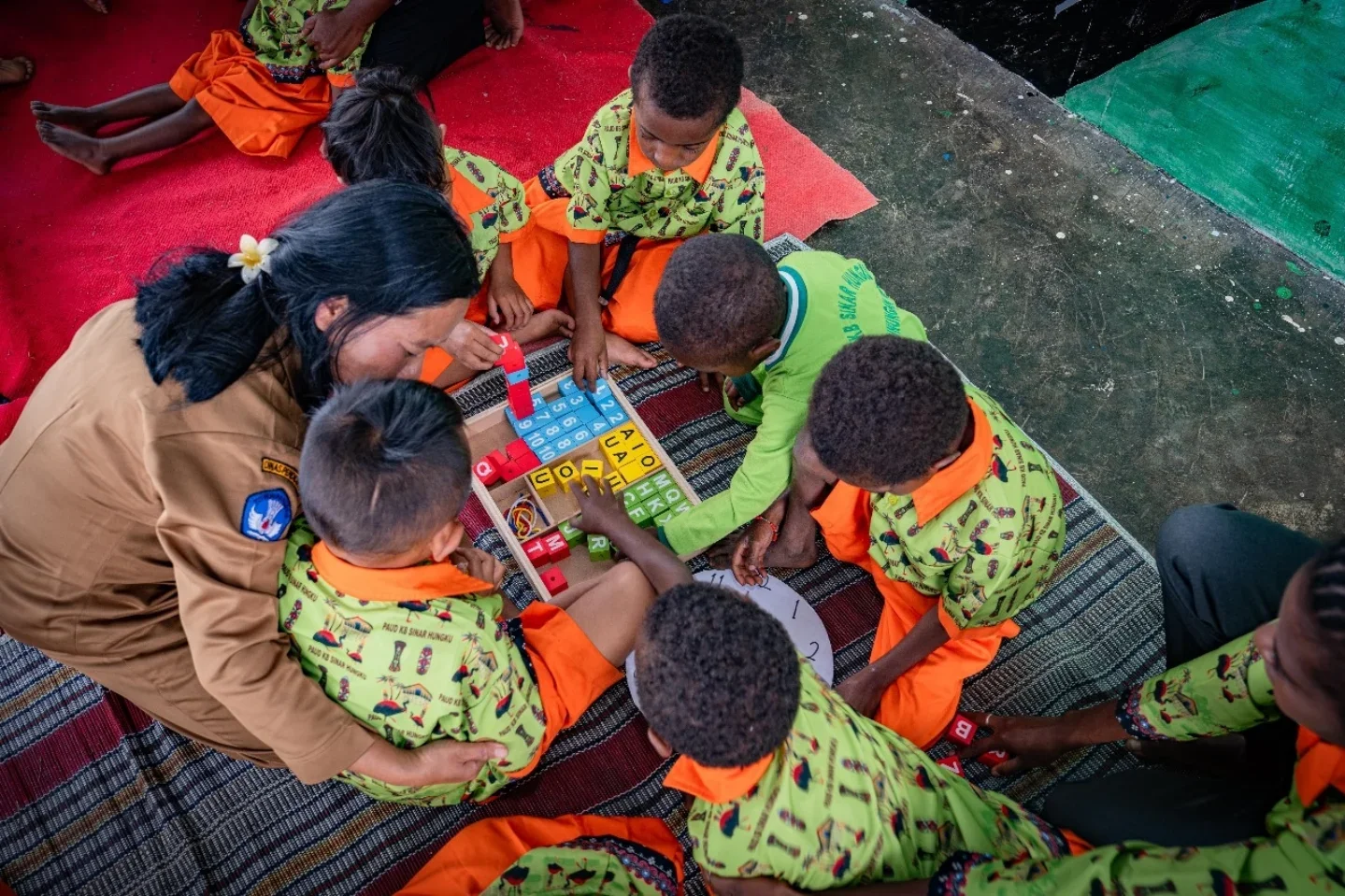
RRI.CO.ID, Jakarta – The Indonesian Ministry of National Development Planning/National Development Planning Agency (PPN/Bappenas), in collaboration with the United Nations Children’s Fund (UNICEF), launched the Country Program Action Plan (CPAP) for 2026–2030. This program is designed to align the national development agenda with global commitments to the fulfillment of children’s rights.
Minister of PPN/Head of Bappenas, Rachmat Pambudy, emphasized that this collaboration aligns with the National Long-Term Development Plan (RPJPN) and the National Medium-Term Development Plan (RPJMN) to improve public quality of life, starting from the prenatal stage.
“That is why the very first program implemented by President Prabowo Subianto—the most fundamental one—is providing food, in the literal sense, meaning physical food and nutritional intake,” said Minister Rachmat during the launch of the Indonesia-UNICEF Cooperation Program for the 2026–2030 Period at the Bappenas Building in Jakarta, Monday, April 20, 2026, as quoted by Antara.
The partnership between Indonesia and UNICEF has been in place for six decades through the Basic Cooperation Agreement (BCA). This framework is implemented in five-year cycles under the CPAP program and is now entering its 13th cycle.
Over the past five years, the program has achieved significant milestones across various sectors. These include the distribution of more than 77 million COVID-19 vaccine doses, the strengthening of the Free Nutritious Meals (MBG) program, and the reintegration of 105,000 children into the education system.
In addition, approximately 237,000 children were successfully protected from the risk of dropping out of school. Interventions also cover nutrition, health, education, sanitation, child protection, and social policy.
The drafting of the CPAP 2026–2030 involved 16 ministries and agencies. This document aligns with national priorities, the government’s vision, and the United Nations Sustainable Development Cooperation Framework (UNSDCF).
The Deputy for Human Development and Culture at the Ministry, Pungkas Bahjuri Ali, said that the program aims to improve access to sanitation, reduce stunting, and strengthen child protection.
“Following this launch, we will immediately finalize the general guidelines for program implementation, and we expect all technical teams from the ministries and agencies to promptly complete the drafting of programs, documents, or outputs, as well as various administrative documents related to grant management,” said Pungkas. ***
News Recomendation
Loading latest news.....