


Cassava and Seaweed Can Be Used for Bioplastics: Lawmaker
- 20 Apr 2026 12:32 WIB
- Voice of Indonesia
Key Points
- The House of Representatives’ Commission VII is promoting the use of cassava and seaweed to reduce dependence on plastic imports and benefit local farmers and fishermen.
- Commission VII lawmaker Gandung Pardiman hopes the government can provide equipment and training, as well as standardization and certification for local bioplastics, so their quality and price can be competitive.
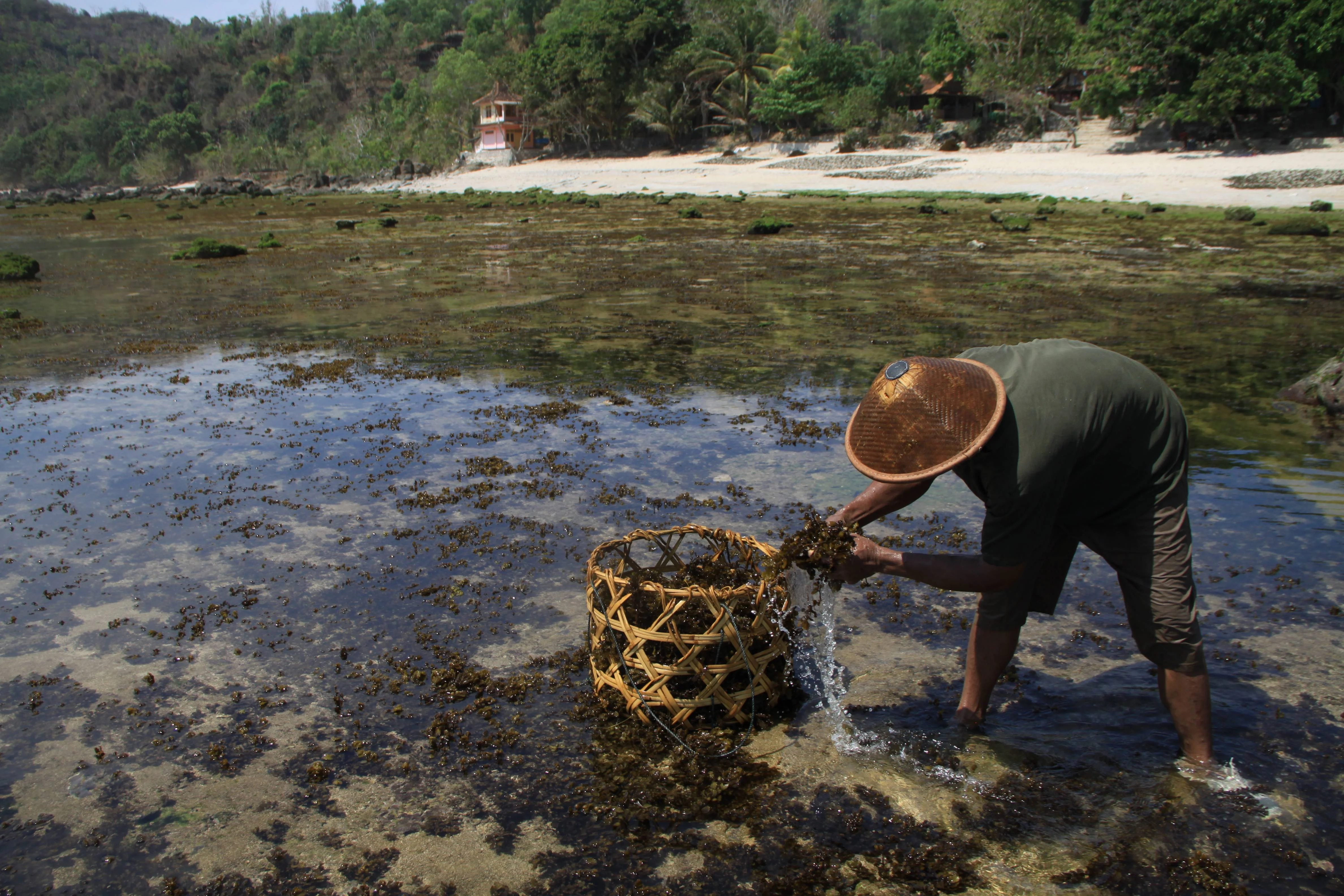
RRI.CO.ID, Jakarta – Lawmaker of the House of Representatives’ Commission VII, Gandung Pardiman, is urging the Indonesian government to utilize cassava and seaweed to reduce dependence on plastic imports. This comes amid soaring prices of plastic raw materials due to the conflict in the Middle East.
Gandung believes that utilizing cassava and seaweed can also benefit local farmers and fishermen. According to him, this relates to economic sovereignty, not merely to production cost efficiency for SMEs.
“Why do we import expensive plastic when we have plenty of seaweed and cassava in here?” Gandung said in a press statement in Jakarta on Monday, April 20, 2026.
He added that Indonesia is the world’s second-largest producer of seaweed and one of the leading cassava producers globally. Both commodities can be processed into bioplastics as an alternative to plastic raw materials.
He highlighted that the current price of imported plastic pellets ranges from IDR 28,000 to 35,000 (USD 1.63–2.04) per kilogram. However, according to Gandung, local raw materials can be produced more cheaply while providing added value to farmers.
“This is a pivotal moment for the downstream processing of local commodities. SMEs in packaging, food, and retail can switch to cassava or seaweed bioplastics,” said Gandung.
In the future, he expects the government to provide machinery, training, and market guarantees related to cassava and seaweed. “The Ministry of SMEs must collaborate with the Ministry of Industry and BRIN to accelerate research on standardization and certification of local bioplastic products so their quality and price can be competitive,” said Gandung.
Previously reported, Minister of MSMEs Maman Abdurrahman said that plant-based raw materials are a long-term solution amid global supply disruptions. “Seaweed and cassava—just those two can be used for this plastic,” he said when met at the Smesco Indonesia Complex in Jakarta on Thursday, April 9.
Minister Maman highlighted the scarcity of plastic raw materials due to the halt in naphtha supplies—a petroleum-based plastic raw material—from conflict-stricken West Asia. “Instead of the naphtha we import from abroad, we’re switching to products that are already quite abundant in Indonesia,” he said. (Gusti Panji/Bambang MBKA)
News Recomendation
Loading latest news.....